- EN


 Log in
-
- Live Auctions
- Online Only
- Past auctions
- Kornfeld today
- The Story of Kornfeld
- Information










Brühl 1891 - 1976 Paris

Sale time 10-09-2026,
about 10:15 h (CET)
(+/- 30 min)

1924
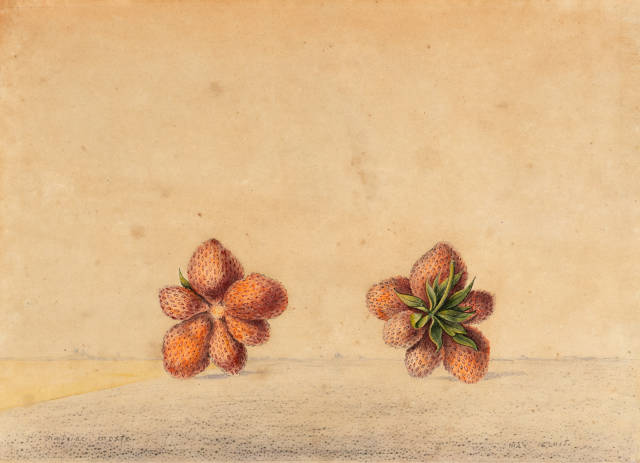
Watercolour, pencil and frottage over lithograph on heavy wove paper
19.2x22.8 cm
Lower right signed by the artist in pencil "max ernst", titled on the left "nature morte"
Expert opinion by Dr. Jürgen Pech, dated 28 August 2014, is available in copy. The work will be recorded under the work number 85 in the supplementary volume of the catalogue raisonné currently in preparation
Galerie Heinz Berggruen, Paris
Private collection Turin
Collection Solange-Dreyfus, Paris
Dr. Ewald Rathke Kunsthandel, Frankfurt am Main, acquired there by
Private collection Germany
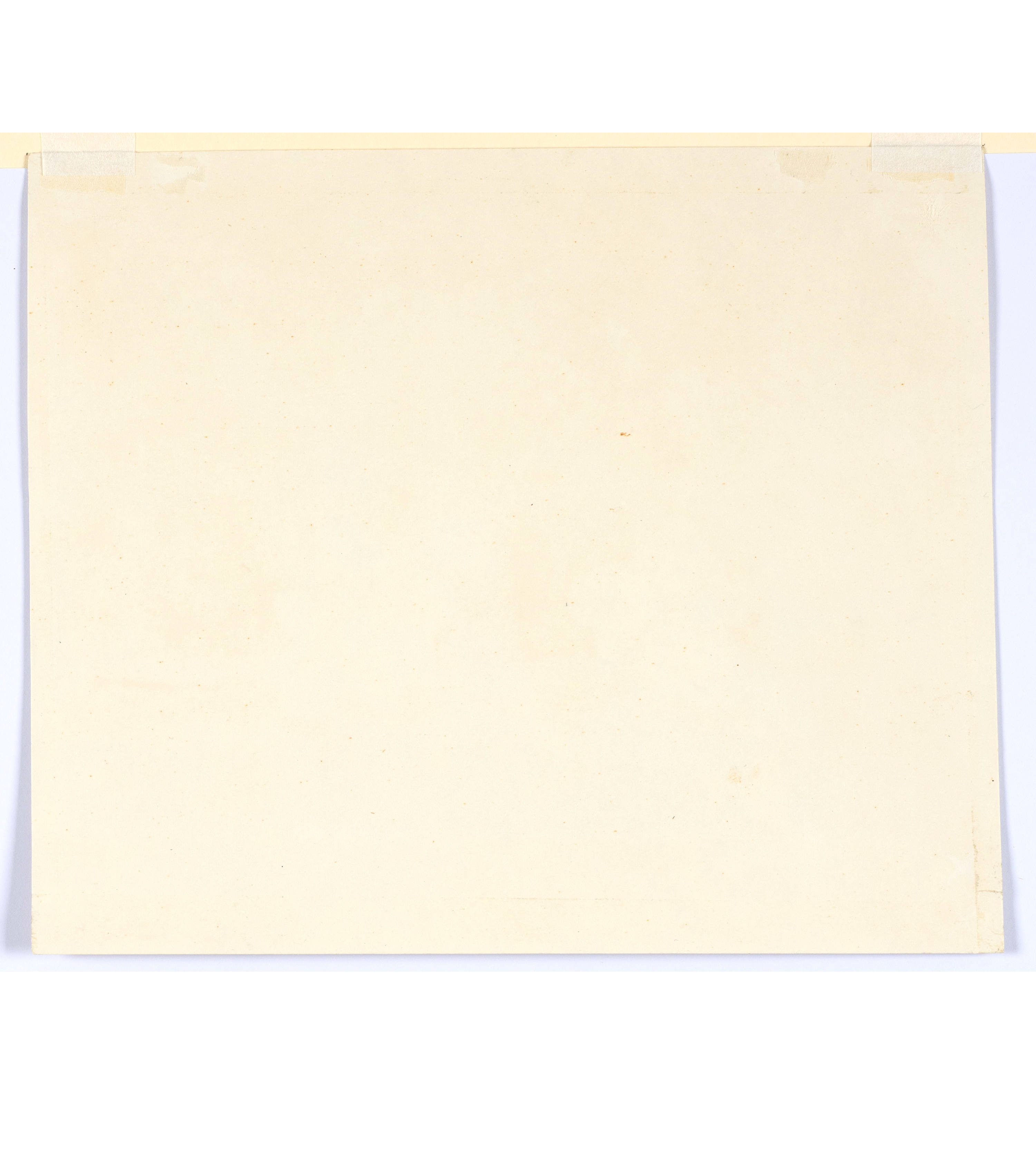
The paper with slight discolouration and small spots as well as lightstruck. The colours in fine condition. With traces of old mounting on the reverse
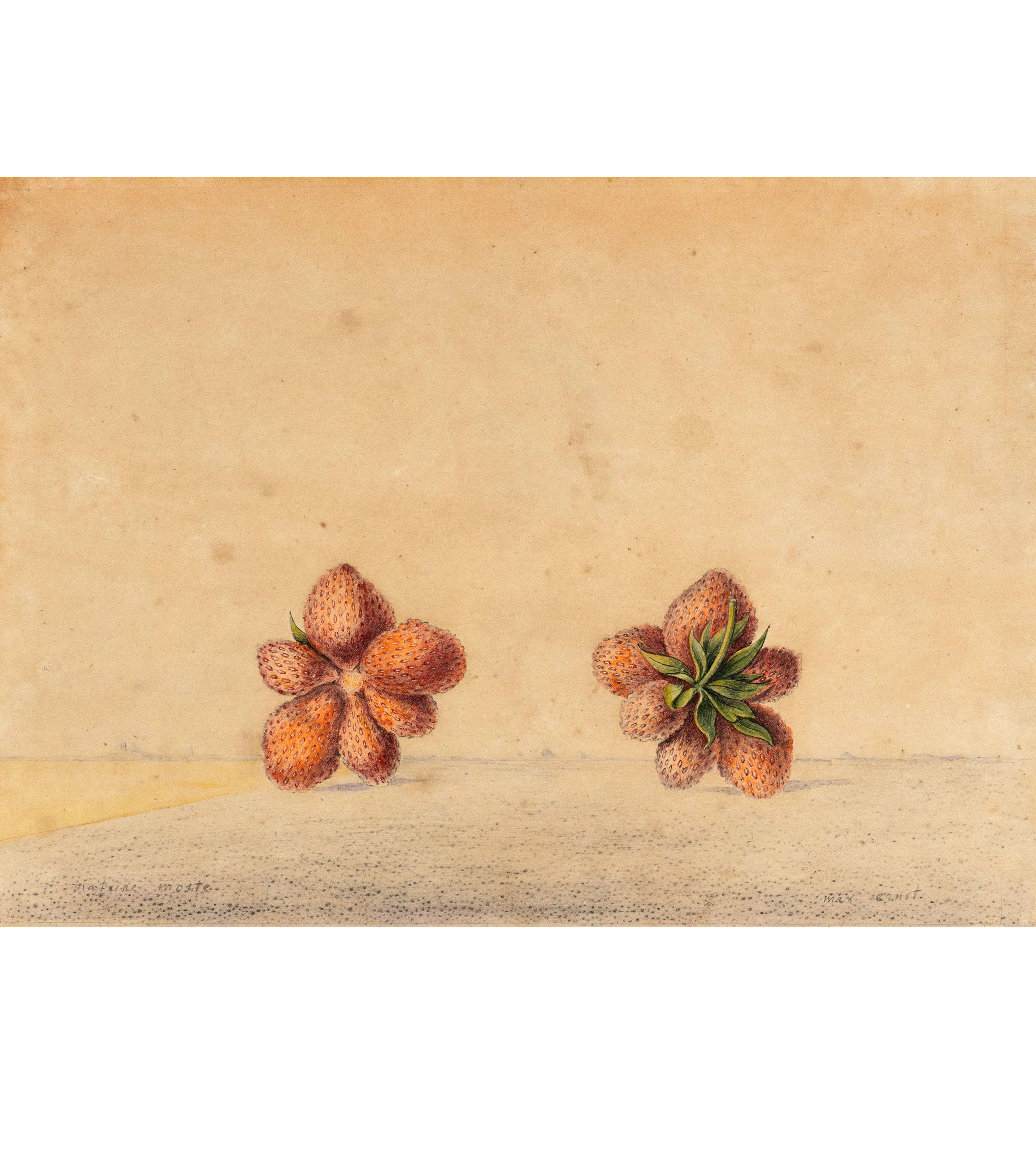
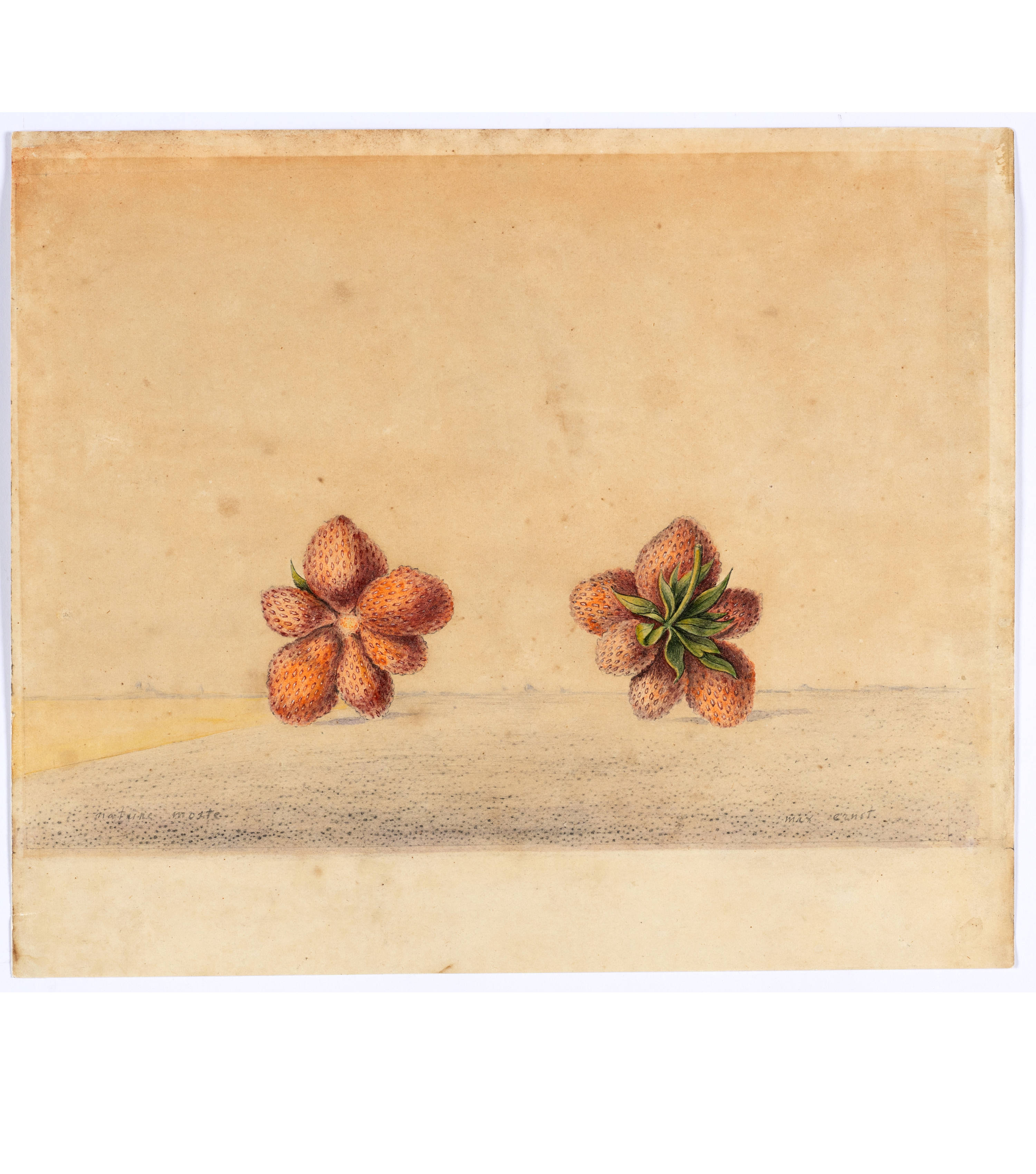
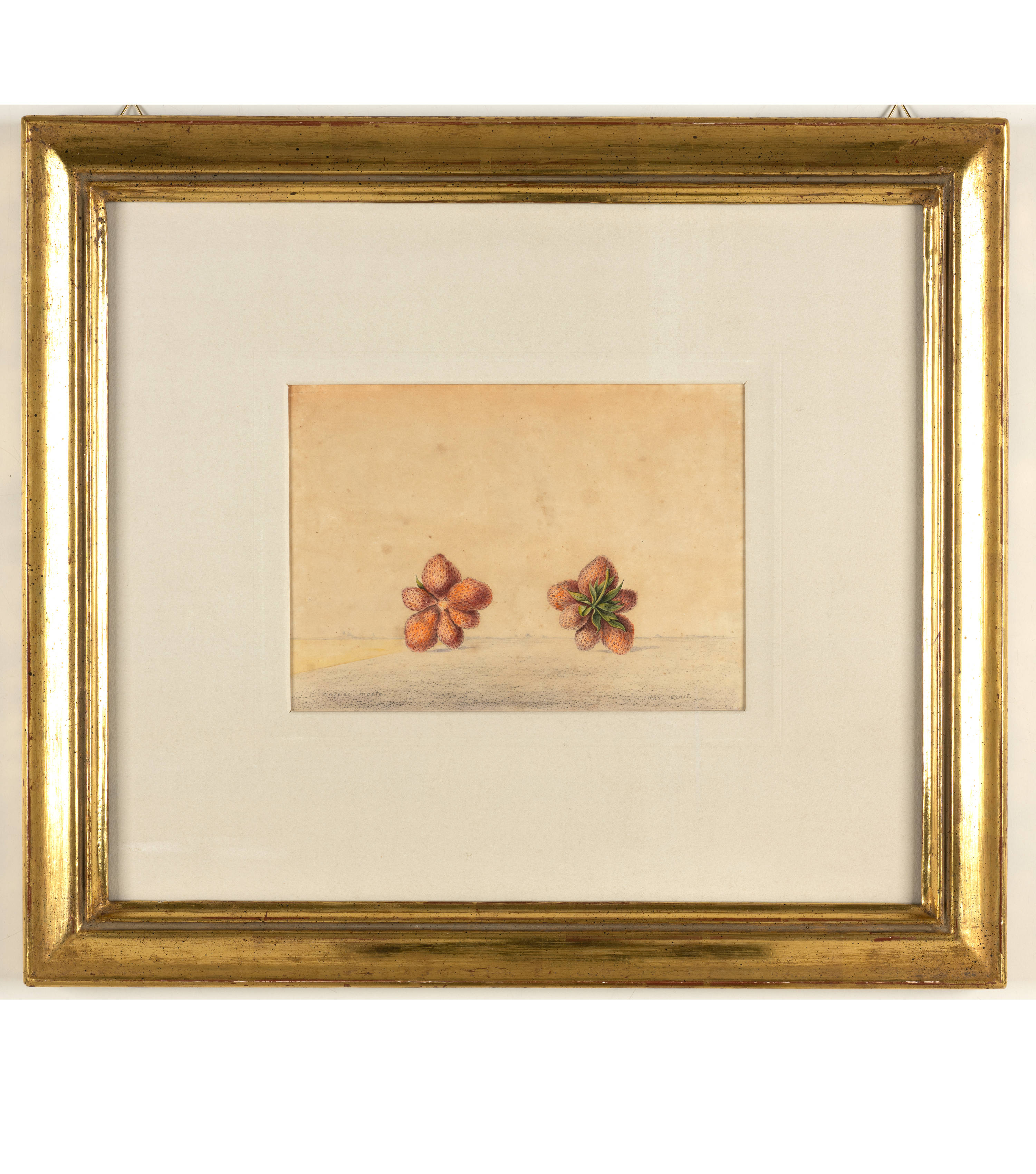
The "Nature morte" is among Max Ernst's works in which he engaged with the appropriation and reworking of found print templates. He developed this process as early as 1919 in the Dada context and continued it throughout the 1920s. Through these reworkings, he detached the original depiction—here probably a naturalistic still life—from its traditional context and transformed it into an independent, surrealistically influenced visual language. The work exemplifies Ernst's early interest in the alienation and poetic reinterpretation of existing pictorial worlds. He creates from strawberries two "Erdbeerbündel" which do not occur in nature, and integrates them into a suggested landscape. A wonderfully poetic and at the same time surreal work.
1924
Aquarell, Bleistift und Frottage über Lithografie auf festem Velin
19,2x22,8 cm
Unten rechts vom Künstler in Bleistift signiert "max ernst", links betitelt "nature morte"
Expertise von Dr. Jürgen Pech, datiert vom 28. August 2014, liegt in Kopie vor
Das Werk wird unter der Arbeitsnummer 85 in den in Vorbereitung befindlichen Supplementband des Werkverzeichnisses erfasst
Galerie Heinz Berggruen, Paris
Privatsammlung Turin
Slg. Solange-Dreyfus, Paris
Dr. Ewald Rathke Kunsthandel, Frankfurt am Main, dort erworben von
Privatsammlung Deutschland
Das Papier mit leichten Verfärbungen und Fleckchen sowie Lichtrand. Die Farben in schöner Erhaltung. Rückseitig mit Spuren alter Montierungen
Die "Nature morte" gehört zu den Arbeiten Max Ernsts, in denen er sich mit der Aneignung und Überarbeitung vorgefundener Druckvorlagen auseinandersetzte. Dieses Verfahren entwickelte er bereits seit 1919 im Dada-Kontext und führte es in den 1920er-Jahren weiter aus. Durch diese Überarbeitungen löste er die ursprüngliche Darstellung, hier wohl ein naturalistisches Stillleben, aus ihrem traditionellen Kontext und überführte sie in eine eigenständige, surrealistisch geprägte Bildsprache. Das Werk dokumentiert exemplarisch Ernsts frühes Interesse an der Verfremdung und poetischen Neubedeutung bestehender Bildwelten. Er schafft aus Erdbeeren zwei "Erdbeerbündel", wie sie in der Natur nicht vorkommen, und integriert sie in eine angedeutete Landschaft. Eine wunderbar poetische und gleichzeitig surreale Arbeit.
| Switzerland | CHF | 130 |
| Europe | CHF | 200 |
| USA | CHF | 250 |
| Overseas | CHF | 255 |