- EN


 Log in
-
- Live Auctions
- Past auctions
- More
- Kornfeld today
- The Story of Kornfeld
- Information


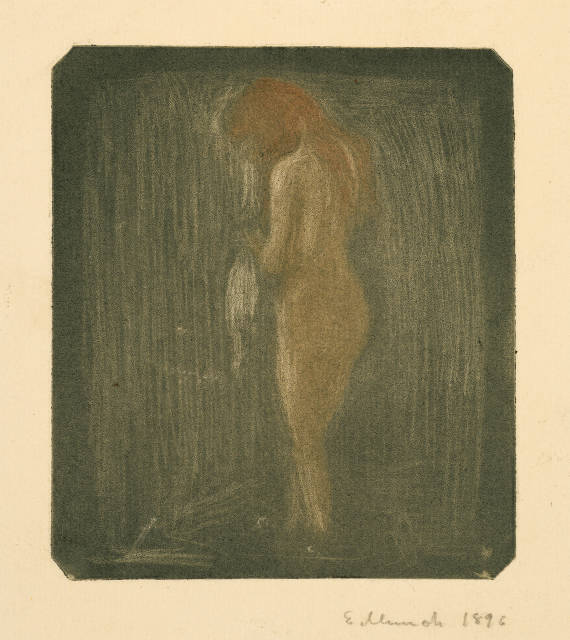







Løten 1863 - 1944 Oslo


1896
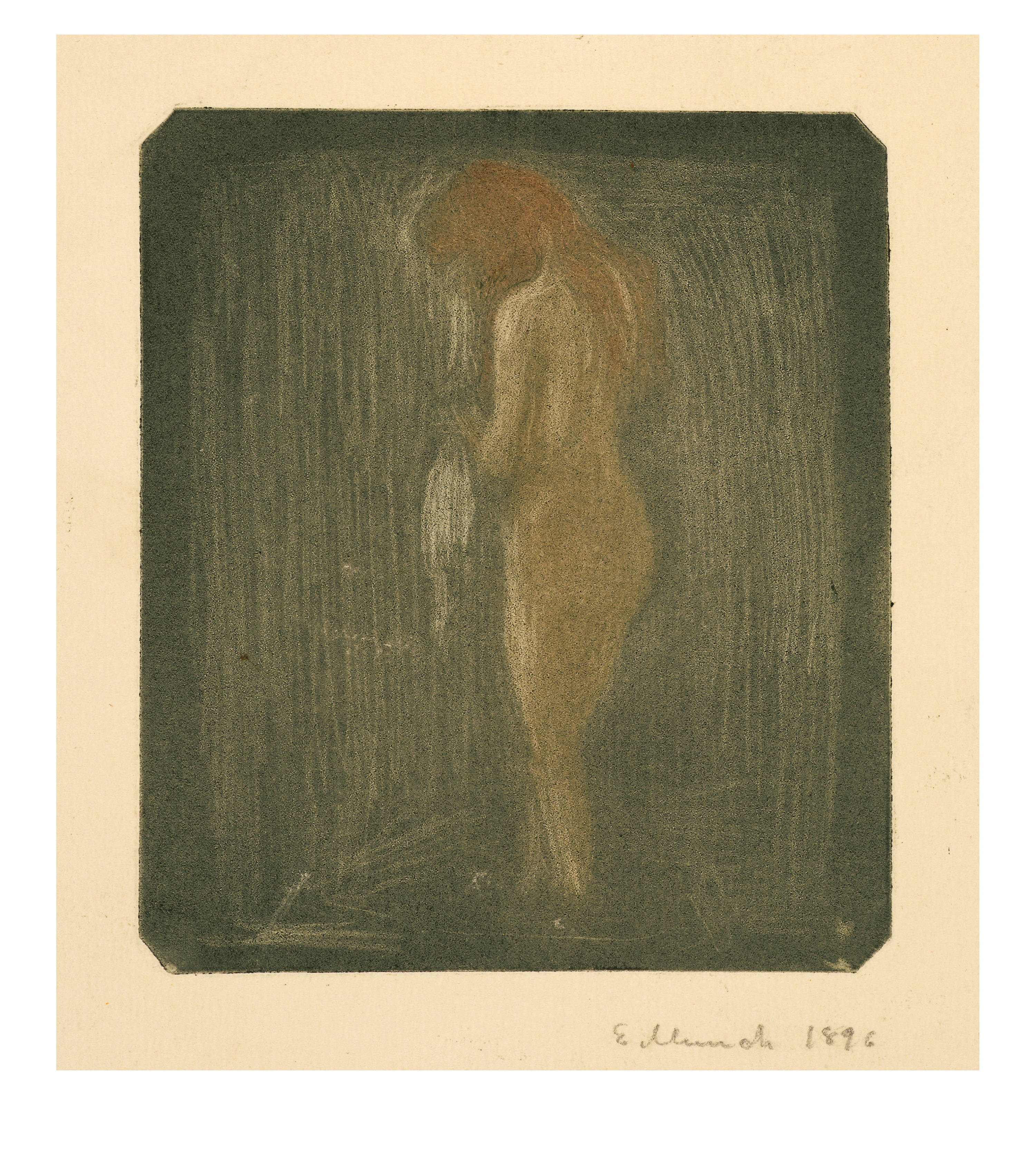
Mezzotint and drypoint on Arches laid paper
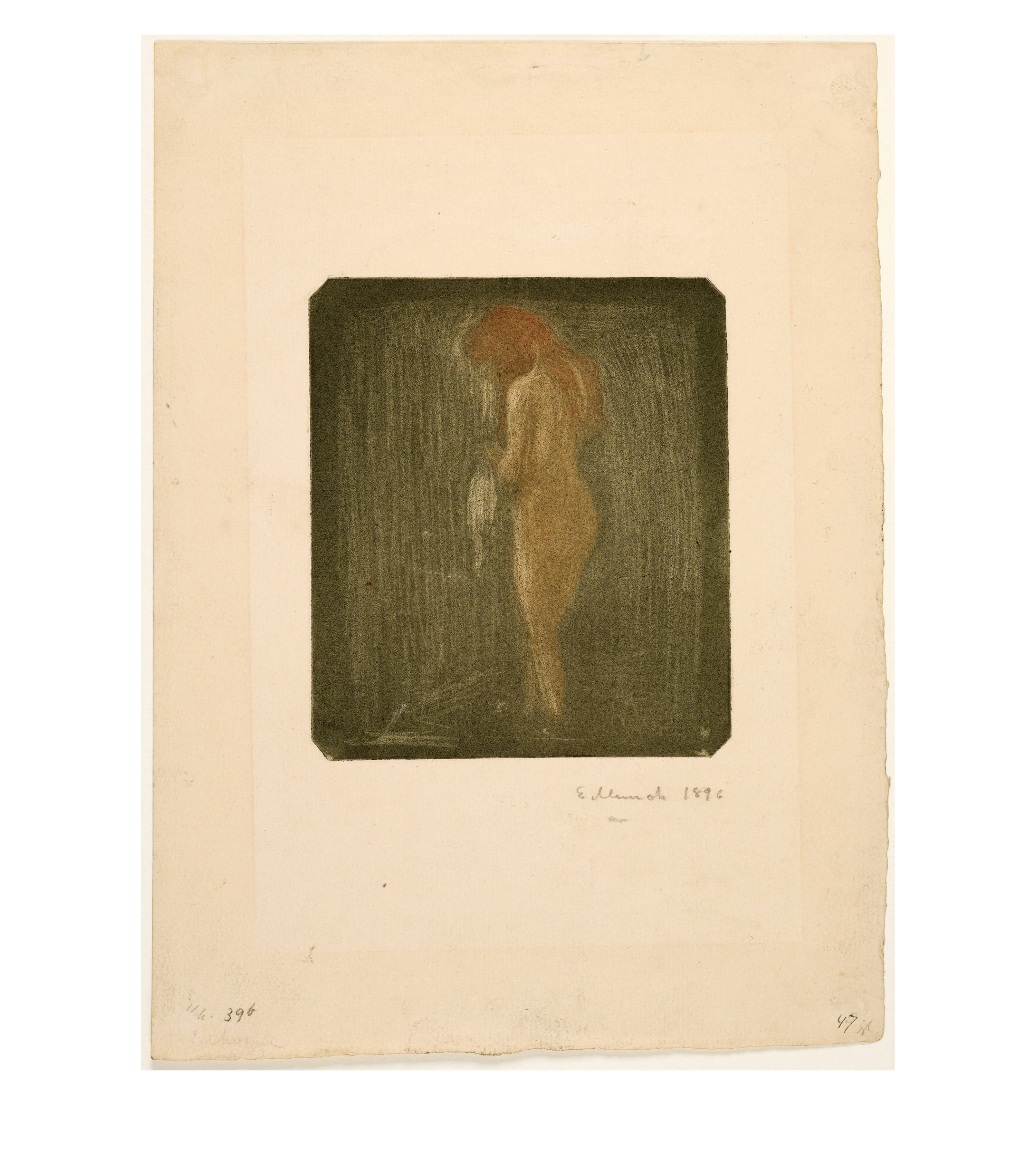
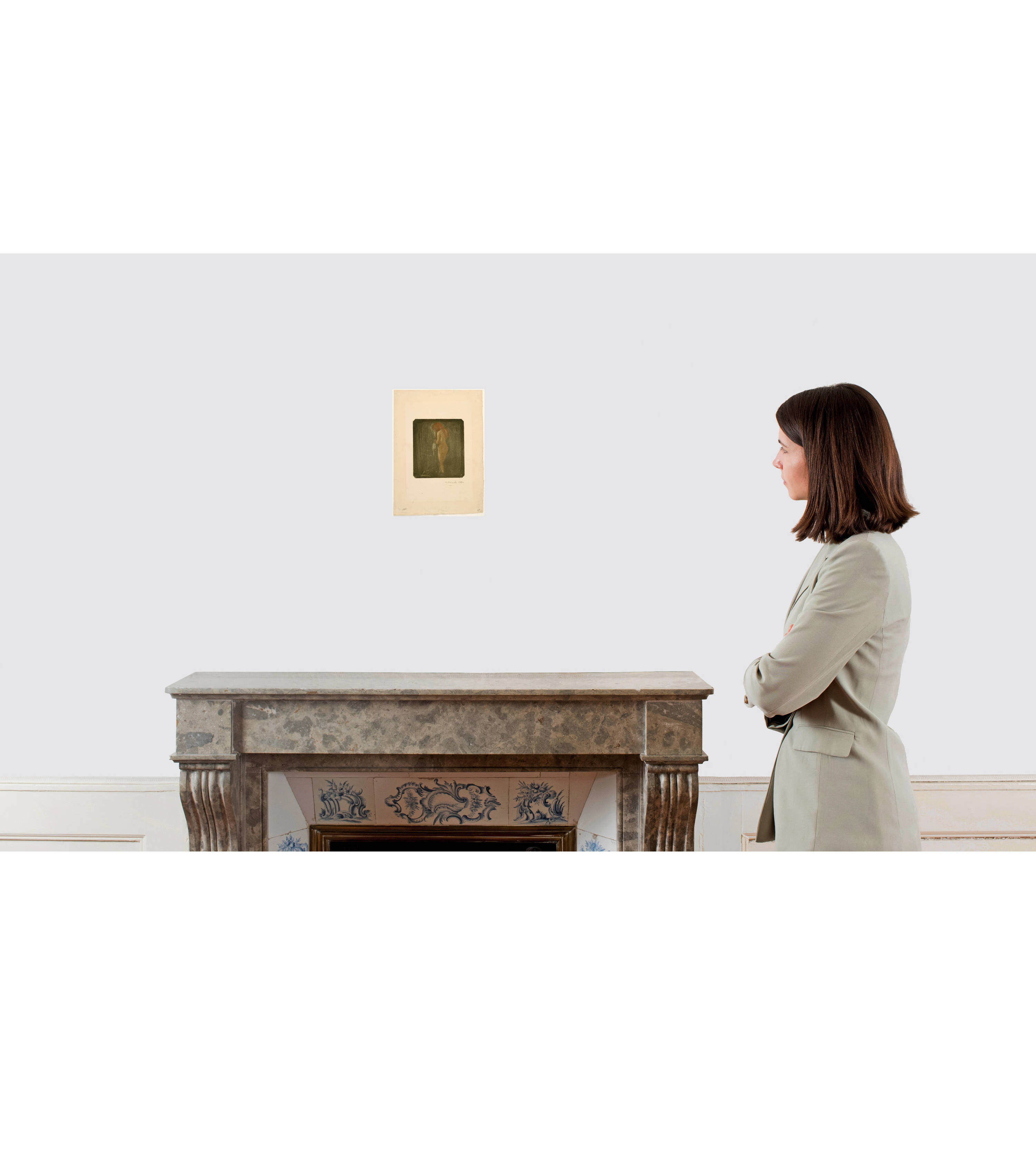
14.8x12.9 cm, platemark; 31x22.5 cm, sheet size
Lower right signed and dated by the artist in pencil 'E Munch 1896'
Gerd Woll, Edvard Munch, The Complete Graphic Works, Oslo 2012, no. 46/B (v. C)
Collection Prof. Dr. Curt Glaser (1879-1943), Berlin, auctioned at
Auction Max Perl, Berlin, 19 May 1933, lot 1102, acquired there by
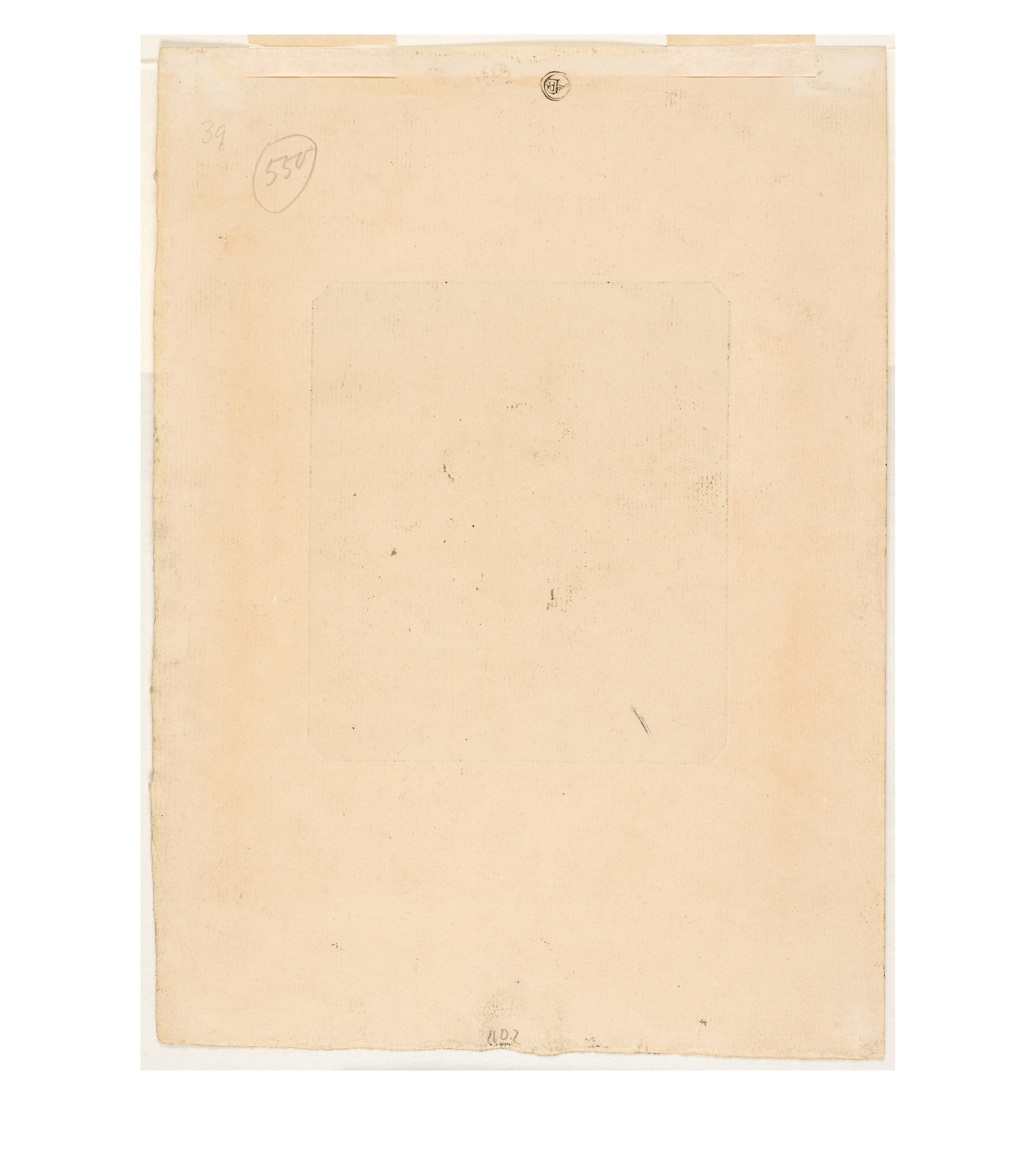
Collection Arnold Budczies, Berlin, with the collector's stamp on the back
The sheet edges and the reverse slightly browned in the paper. The image in very fine condition with intense colours
Edvard Munch's stay in Paris in 1896 coincided with a period of intense experimentation in printmaking. In the French capital, Munch encountered an avant-garde art scene that had a lasting influence on his visual language. At the same time, he had access to the most modern print studios. Printers such as Auguste Clot and Alfred Porcabœuf introduced him to new possibilities in printmaking.
Thus, in the studio of Alfred Salmon, which was then run by Alfred Porcabœuf, eight mezzotint plates were created. This printing technique is considered one of the most elaborate of all: first, the zinc plates are prepared with aquatint and then worked with the rocker until a dense, even mesh is formed. This produces a velvety, even surface in the print with soft transitions. Mezzotint was already developed in the 17th century, primarily to reproduce a painterly effect.
It was precisely this painterly aspect of printmaking that must have fascinated Munch. He deliberately used the qualities of the print to create atmosphere and emotional intensity. In doing so, he produced only a few examples, each with different colouring from print to print. The impressions were in all likelihood printed by the artist himself or from plates he inked himself. Mezzotint prints are among Munch's rarest and most sought-after graphic works.
The mezzotint 'Stehender weiblicher Akt' ('Standing Female Nude') depicts a naked woman seen from behind against a dark background. It testifies to Munch's intense engagement with themes of eroticism, loneliness and inner tension. The female body is both revealed and remote. It is a symbol of existential vulnerability. The figure seems to emerge from the darkness and at the same time be consumed by it. Ten impressions are known. At least five are in public collections.
An amicable agreement was reached with the heirs of Curt Glaser, represented by the Berlin law firm 'S+N Rechtsanwälte'. The current sale takes place with the consent of the heirs of Curt Glaser and is therefore free of any claims. The amicable agreement has been recorded in the Lost Art Database of the German Lost Art Foundation.
1896
Mezzotinto und Kaltnadel auf Arches-Bütten
14,8x12,9 cm, Plattenkante; 31x22,5 cm, Blattgrösse
Unten rechts vom Künstler in Bleistift signiert und datiert "E Munch 1896"
Gerd Woll, Edvard Munch, The Complete Graphic Works, Oslo 2012,
Slg. Prof. Dr. Curt Glaser (1879-1943), Berlin, versteigert bei
Auktion Max Perl, Berlin, 19. Mai 1933, Los 1102, dort erworben von
Slg. Arnold Budczies, Berlin, rückseitig mit dem Sammlerstempel
Die Blattränder und die Rückseite leicht im Papier gebräunt. Die Darstellung in sehr schöner, farbintensiver Erhaltung
Edvard Munchs Aufenthalt in Paris im Jahr 1896 fiel in eine Phase intensiver druckgraphischer Experimente. In der französischen Hauptstadt begegnete Munch einer avantgardistischen Kunstszene, die seine Bildsprache nachhaltig beeinflusste. Gleichzeitig hatte er dort Zugang zu modernsten Druckwerkstätten. Drucker wie Auguste Clot oder Alfred Porcabœuf vermittelten ihm neue druckgraphische Möglichkeiten.
So entstanden etwa im Atelier Alfred Salmon, das damals von Alfred Porcabœuf geleitet wurde, acht Schabkunstblätter (Mezzotinten). Dieses Druckverfahren gilt als eines der aufwändigsten überhaupt: Zunächst werden die Zinkplatten mit Aquatinta vorbereitet und anschliessend mit dem Wiegemesser so lange bearbeitet, bis sich ein dichtes, gleichmässiges Raster bildet. Dieses erzeugt im Druck eine flächig-samtene Struktur mit weichen Übergängen. Die Schabkunst wurde bereits im 17. Jahrhundert entwickelt, vor allem zur Wiedergabe einer malerischen Wirkung.
Genau dieser malerische Aspekt der Druckgraphik wird Munch fasziniert haben. Er nutzte die Qualitäten des Druckes gezielt, um Atmosphäre und emotionale Dichte zu erzeugen. Dabei schuf er jeweils nur wenige Exemplare mit von Druck zu Druck abweichender Farbgebung. Die Abzüge waren aller Wahrscheinlichkeit nach Eigendrucke bzw. von ihm selbst eingefärbte Platten. Blätter in Mezzotinto gehören zu Munchs seltensten und begehrtesten Graphiken überhaupt.
Das Mezzotinto-Blatt "Stehender weiblicher Akt" zeigt eine nackte Frau in Rückenansicht, die vor einem dunklen Hintergrund steht. Es zeugt von Munchs intensiver Auseinandersetzung mit den Themen Erotik, Einsamkeit und innerer Spannung. Der weibliche Körper ist zugleich offenbart und entrückt. Er ist ein Sinnbild existenzieller Verletzlichkeit. Die Figur scheint aus dem Dunkel hervorzutreten und gleichzeitig von ihm verschlungen zu werden. Es sind zehn Drucke bekannt geworden. Mindestens fünf davon befinden sich in öffentlichen Sammlungen.
Es wurde eine gütliche Einigung mit den Erben nach Curt Glaser, vertreten durch die Berliner Kanzlei "S+N Rechtsanwälte", getroffen. Der aktuelle Verkauf erfolgt mit dem Einverständnis der Erben nach Curt Glaser und ist daher frei von jeglichen Ansprüchen. Die gütliche Einigung wurde in der Lost Art-Datenbank des Deutschen Zentrums Kulturgutverluste vermerkt.
| Switzerland | CHF | 130 |
| Europe | CHF | 200 |
| USA | CHF | 250 |
| Overseas | CHF | 255 |