- EN


 Log in
-
- Live Auctions
- Past auctions
- More
- Kornfeld today
- The Story of Kornfeld
- Information









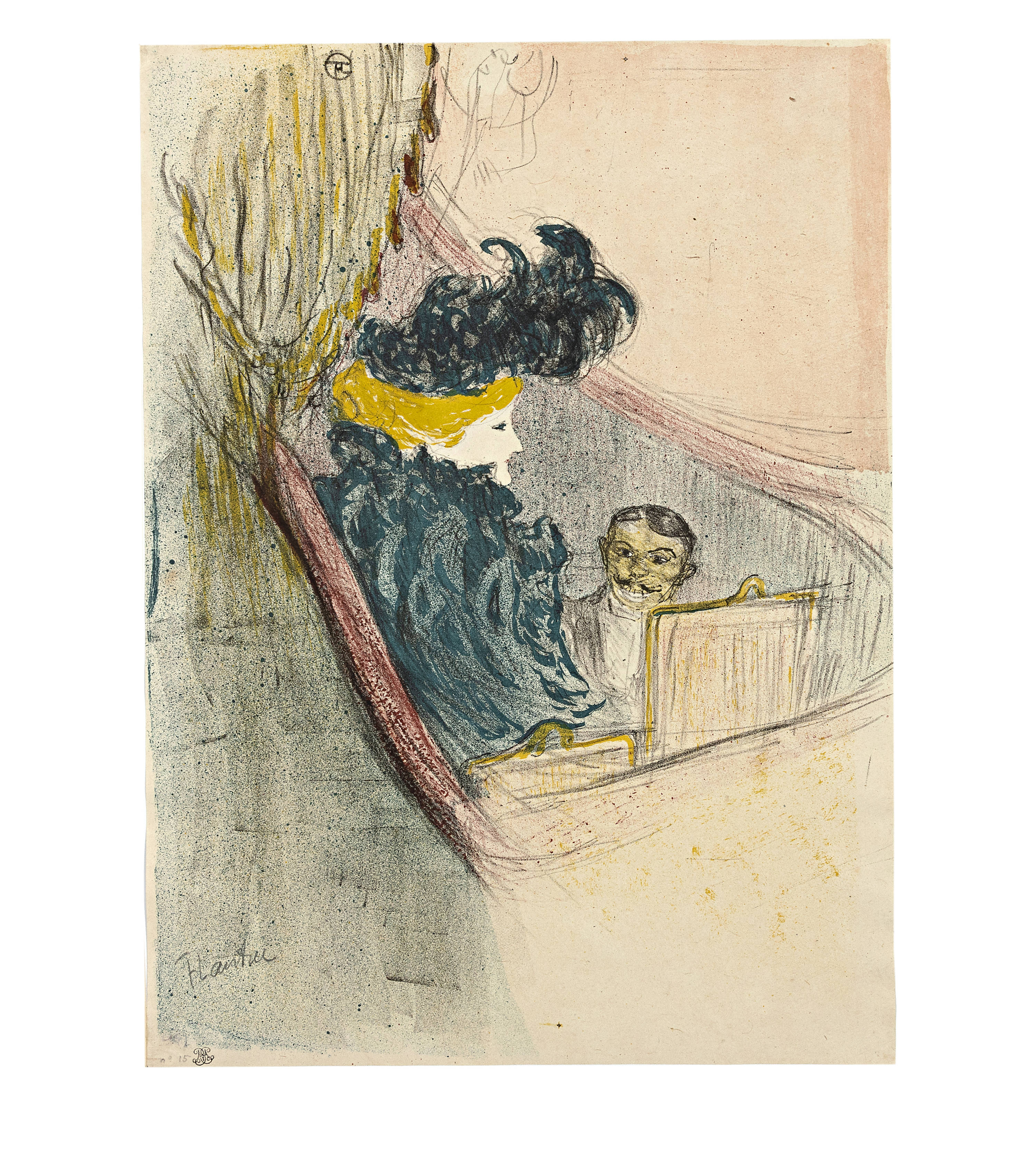
Albi 1864 - 1901 Malromé



1897
Colour lithograph on china paper
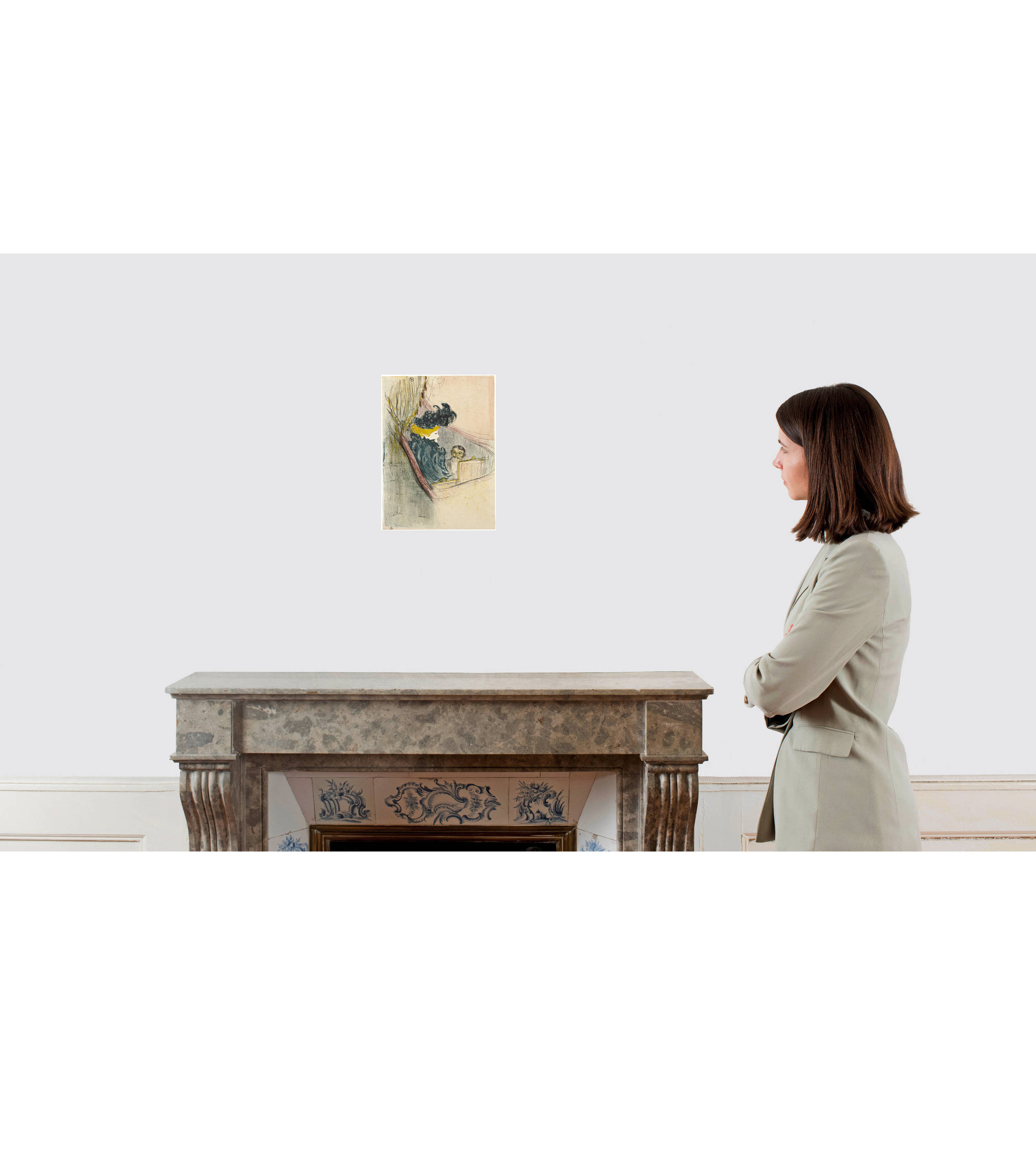
38x28 cm, sheet size
Lower left signed by the artist in pencil 'HTLautrec', below numbered 'no 15'
Wolfgang Wittrock, Toulouse-Lautrec, Catalogue complet des estampes, vol. 2, Courbevoie (Paris) 1985, no. 179
Götz Adriani, Toulouse-Lautrec, Das gesamte graphische Werk, Cologne 1986, no. 204
Loÿs Delteil, H. De Toulouse-Lautrec, Le Peintre-Graveur illustré, vol. XI, Paris 1920, no. 206
Marcel Louis Guérin (1873-1948), Paris, lower left with the collector's stamp, Lugt 1872b, auctioned at
Auction Hôtel Drouot, 10 and 11 May 1922, Catalogue des Estampes du XIXe Siècle, Œuvres de Forain, Steinlen, Toulouse-Lautrec, Willette, Composant la Collection de M. Marcel Guérin, lot 252
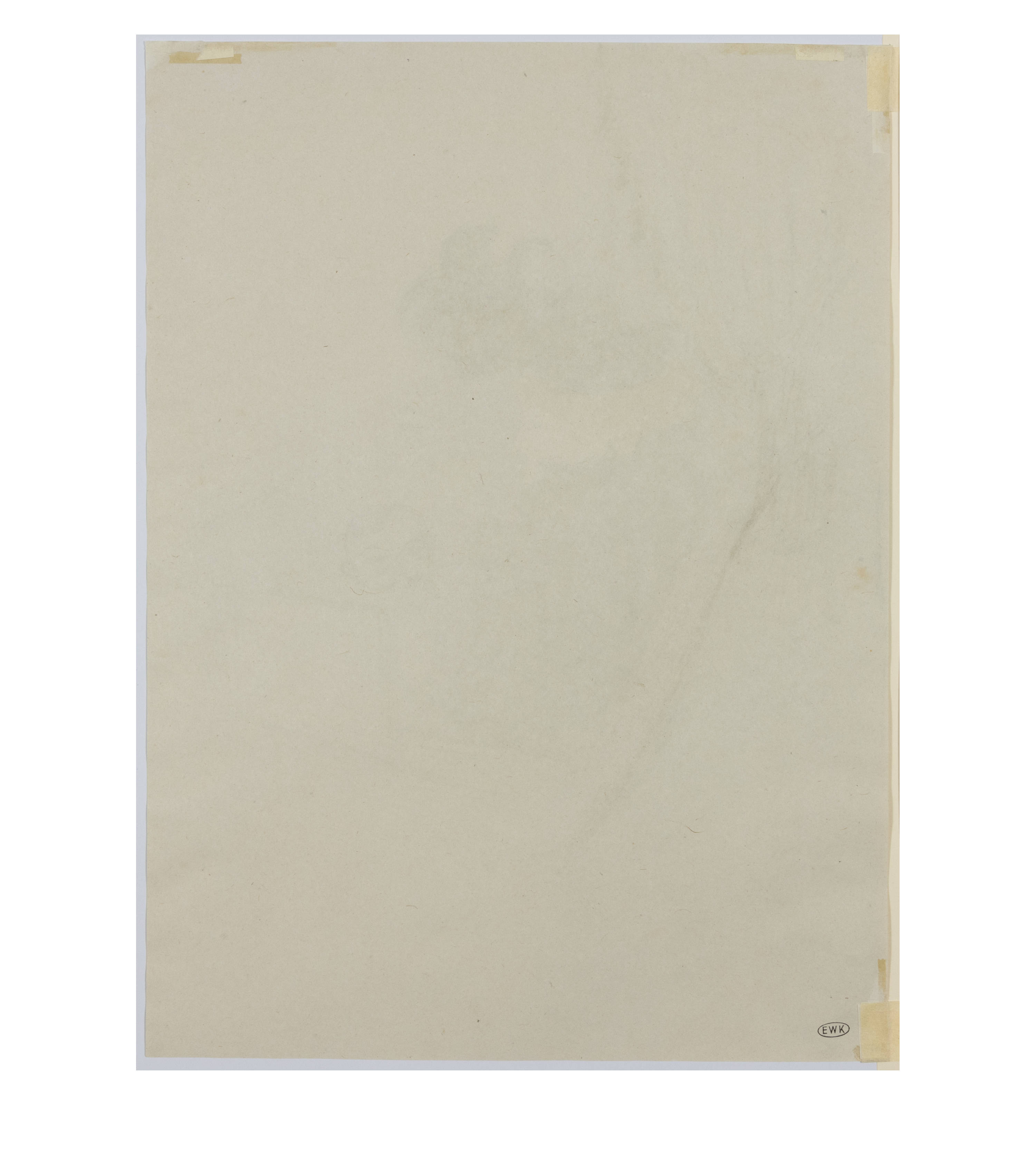
The Eberhard W. Kornfeld Collection, Bern, with the collector's stamp on the back, Lugt 913b
Basel/Hovikodden 1975/1977, Kunstmuseum/Henie-Onstad Kunstsenter, Meisterwerke der Graphik von 1800 bis zur Gegenwart, Eine Schweizer Privatsammlung [The Eberhard W. Kornfeld Collection], cat. no. 86
Salzburg/Winterthur 1984/1985, Rupertinum/Kunstmuseum, Von Goya bis Warhol, Meisterwerke der Graphik des 19. Und 20. Jahrhunderts aus einer Schweizer Privatsammlung [The Eberhard W. Kornfeld Collection], cat. no. 83
New York 1985/1986, The Museum of Modern Art, Henri de Toulouse-Lautrec, Images of the 1890s, cat. no. 171
Martigny 1987, Fondation Pierre Gianadda, Toulouse-Lautrec, cat. no. 166
Essen 1994, Kulturstiftung Ruhr, Villa Hügel, Paris - Belle Époque 1880-1914, cat. no. 457
Bern 2015, Kunstmuseum, Toulouse-Lautrec und die Photographie, without cat. no. p. 140
Verso with traces of old mounting. Fresh impression, in very fine condition
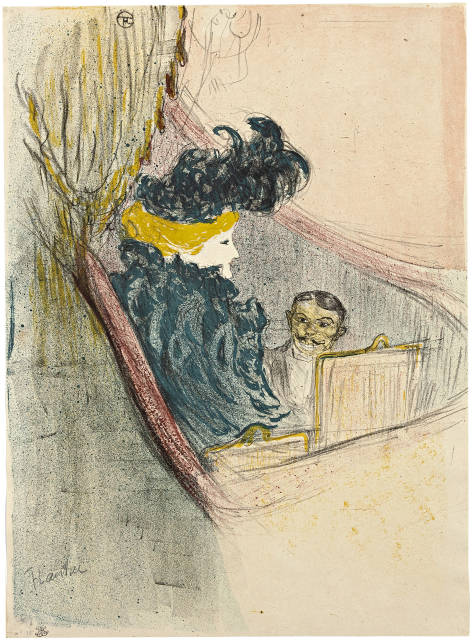
Idylle princière' is among the most important graphic works by Toulouse-Lautrec. The lithograph was published by Gustave Pellet in early April 1897, in an edition of only 16 copies, each signed by the artist lower left and numbered by the publisher. Some also bear Pellet's monogram stamp (Lugt 1190). The sheet was already reproduced in 'L'Estampe et l'Affiche' in mid-April and refers to a society scandal that filled the Parisian gossip press at the end of the 1890s.
It depicts Clara Ward (1873-1916), a wealthy American who lived in Paris. In 1890, at the age of 17, she married the Belgian prince and Member of Parliament Joseph de Caraman-Chimay (1858-1937) and, as 'Princesse', attracted the attention of Parisian high society. Six years later, she met the Hungarian violinist Jancsi Rigó (1858-1927) in a Parisian restaurant and began an affair with him, which was widely publicised. On 9 January 1897, the magazine Gil Blas wrote: 'La plus maquillée des princesses, la plus artificiellement belles des Americaines, s'était trouvée séduite par un certain personnage très grêlé, qui était bien exaspérant dans le restaurant où il opérait'. Toulouse-Lautrec depicts Clara Ward enthroned in a theatre box with her new companion Jancsi Rigó. Her first marriage to the Prince of Caraman-Chimay was dissolved in 1897, after which she married Jancsi Rigó in 1904. The couple subsequently travelled through Europe and to Hungary, remaining in the public eye. This marriage to the musician was not her last: she went on to marry two more Italian men. Clara Ward died in Padua in 1916.
This sheet impresses not only with the drawing in black but also with the nuanced colouring in blue, turquoise blue, yellow, purple, and pink. It was printed by Ancourt (H. Stern), Paris, and is extremely rare on the market. Wittrock notes in the catalogue raisonné that only seven impressions are in public collections.
1897
Farblithographie auf China-Papier
38x28 cm, Blattgrösse
Unten links vom Künstler in Bleistift signiert "HTLautrec", darunter nummeriert "no 15"
Wolfgang Wittrock, Toulouse-Lautrec, Catalogue complet des estampes, Bd. 2, Courbevoie (Paris) 1985,
Götz Adriani, Toulouse-Lautrec, Das gesamte graphische Werk, Köln 1986,
Loÿs Delteil, H. de Toulouse-Lautrec, Le Peintre-Graveur illustré, Bd. XI, Paris 1920,
Marcel Louis Guérin (1873-1948), Paris, unten links mit dem Sammlerstempel, Lugt 1872b, versteigert bei
Auktion Hôtel Drouot, 10. und 11. Mai 1922, Catalogue des Estampes du XIXe Siècle, Œuvres de Forain, Steinlen, Toulouse-Lautrec, Willette, Composant la Collection de M. Marcel Guérin, Los 252
Slg. Eberhard W. Kornfeld, Bern, rückseitig mit dem Sammlerstempel, Lugt 913b
Basel/Hovikodden 1975/1977, Kunstmuseum/Henie-Onstad Kunstsenter, Meisterwerke der Graphik von 1800 bis zur Gegenwart, Eine Schweizer Privatsammlung [Slg. Eberhard W. Kornfeld],
Salzburg/Winterthur 1984/1985, Rupertinum/Kunstmuseum, Von Goya bis Warhol, Meisterwerke der Graphik des 19. und 20. Jahrhunderts aus einer Schweizer Privatsammlung [Slg. Eberhard W. Kornfeld],
New York 1985/1986, The Museum of Modern Art, Henri de Toulouse-Lautrec, Images of the 1890s,
Martigny 1987, Fondation Pierre Gianadda, Toulouse-Lautrec,
Essen 1994, Kulturstiftung Ruhr, Villa Hügel, Paris - Belle Époque 1880-1914,
Bern 2015, Kunstmuseum, Toulouse-Lautrec und die Photographie, ohne Kat. Nr.
Rückseitig Spuren einer alten Montierung. Farbfrischer Druck, in sehr schöner Erhaltung
"Idylle princière" zählt zu den bedeutendsten Graphikblättern von Toulouse-Lautrec. Die Lithographie wurde Anfang April 1897 von Gustave Pellet verlegt, die Auflage betrug lediglich 16 Exemplare, die jeweils unten links vom Künstler signiert und vom Verleger nummeriert wurden. Manche tragen auch Pellets Monogrammstempel (Lugt 1190). Das Blatt wurde bereits Mitte April in "L'Estampe et l'Affiche" reproduziert und bezieht sich inhaltlich auf einen Gesellschaftsskandal, der Ende der 1890er-Jahre die Pariser Klatschpresse füllte.
Dargestellt ist Clara Ward (1873-1916), eine wohlhabende, in Paris lebende Amerikanerin, die 1890 im Alter von 17 Jahren den belgischen Fürsten und Parlamentsabgeordneten Joseph de Caraman-Chimay (1858-1937) heiratete und als "Princesse" die Aufmerksamkeit der gehobenen Pariser Gesellschaft auf sich zog. Sechs Jahre später traf sie in einem Pariser Restaurant auf den ungarischen Violinisten Jancsi Rigó (1858-1927), mit dem sie sich auf eine Affäre einliess und sich mit ihm in diversen Lokalitäten zeigte. So schrieb die Zeitschrift Gil Blas am 9. Januar 1897: "La plus maquillée des princesses, la plus artificiellement belles des Americaines, s'était trouvée séduite par un certain personnage très grêlé, qui était bien exaspérant dans le restaurant où il opérait". Toulouse-Lautrec stellt Clara Ward in einer Theaterloge thronend mit ihrem neuen Begleiter Jancsi Rigó dar. Ihre erste Ehe mit dem Prinzen von Caraman-Chimay wurde 1897 geschieden und die Amerikanerin heiratete im Jahr 1904 Jancsi Rigó. Das Paar reiste in der Folge durch Europa und nach Ungarn, nach wie vor im Blickfeld der Klatschpresse. Die Ehe mit dem Musiker war nicht ihre letzte: Es folgten zwei weitere Ehen mit italienischen Männern. Clara Ward starb 1916 in Padua.
Das vorliegende Blatt besticht neben der Zeichnung in Schwarz durch die nuancenreiche Farbgebung in Blau, Türkisblau, Gelb, Purpur und Rosa. Es wurde von Ancourt (H. Stern), Paris, gedruckt und ist äusserst selten auf dem Markt. Wittrock führt im Werkverzeichnis aus, dass allein sieben Abzüge in öffentlichen Sammlungen sind.
| Switzerland | CHF | 150 |
| Europe | CHF | 250 |
| USA | CHF | 320 |
| Overseas | CHF | 325 |