- EN


 Log in
-
- Live Auctions
- Past auctions
- More
- Kornfeld today
- The Story of Kornfeld
- Information


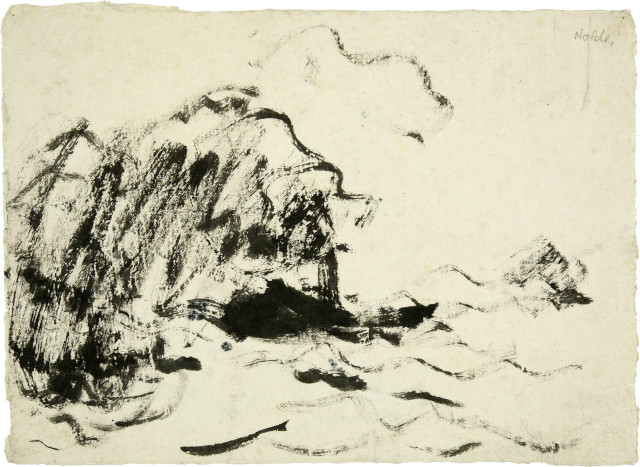







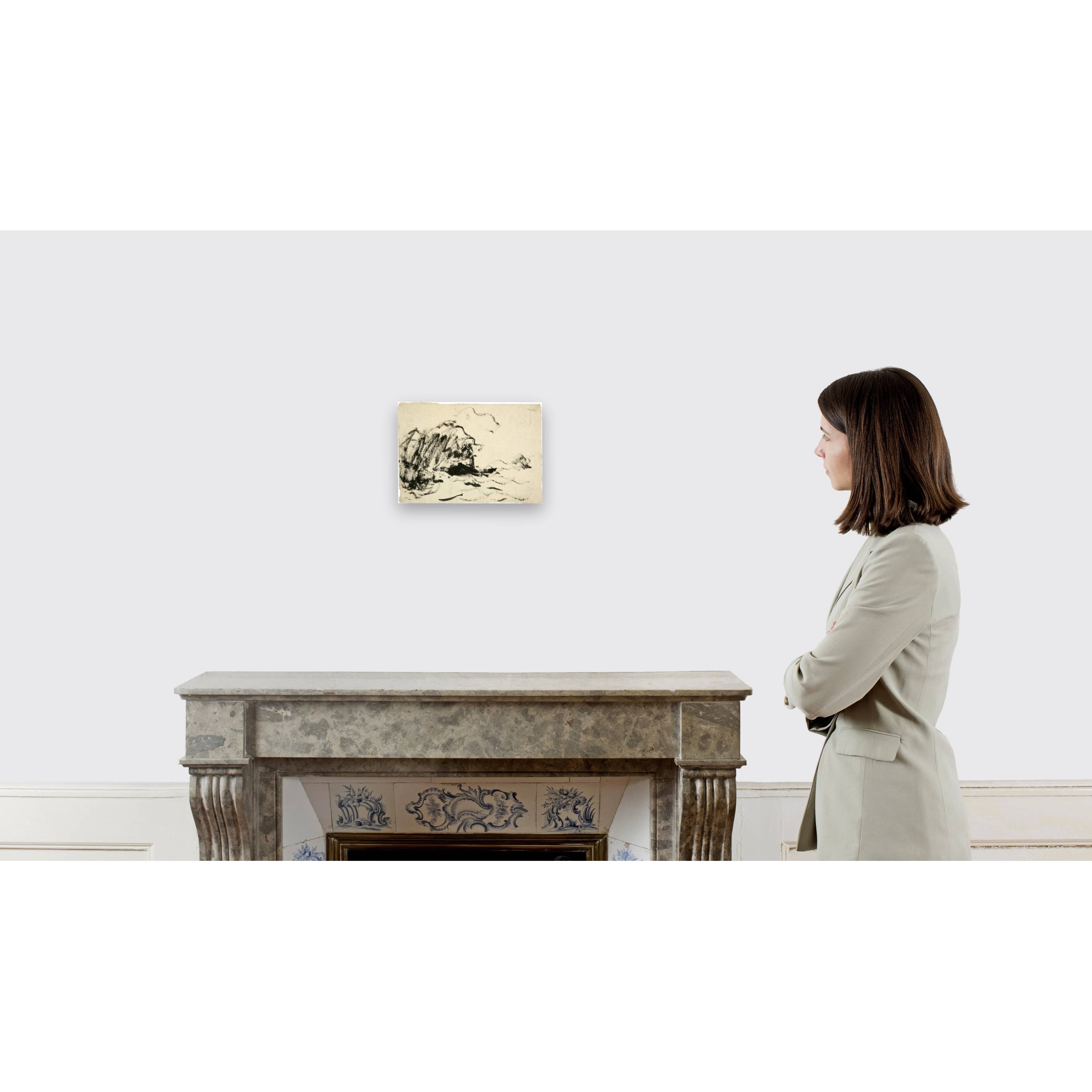
Nolde 1867 - 1956 Seebüll


1910
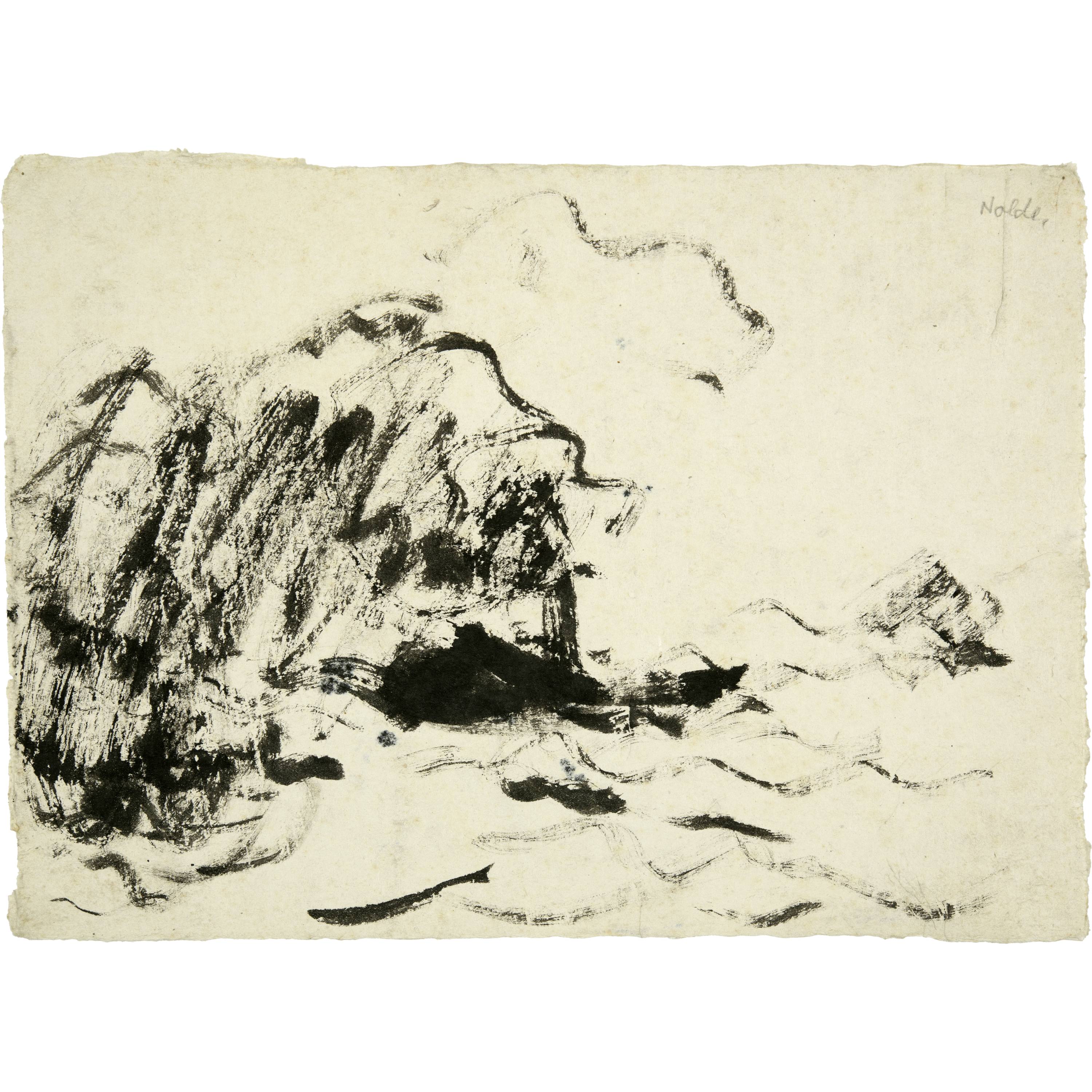
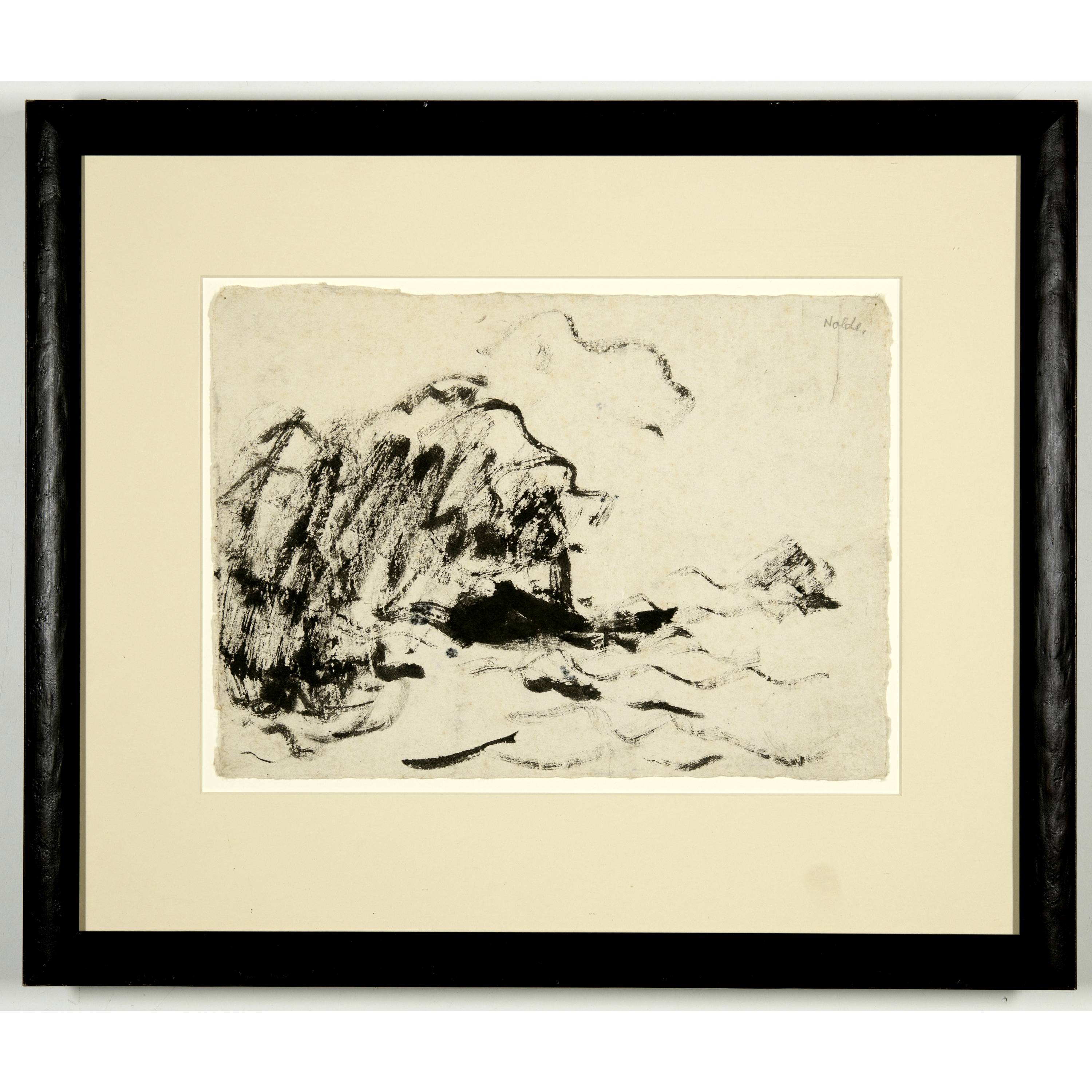
Brush drawing in Indian ink
23.3x33.2 cm
Signed by the artist in pencil "Nolde" at the upper right
Confirmation from Dr. Christian Ring, Nolde Stiftung Seebüll, that the work comes from the artist's estate is available
Estate of the artist
Nolde Foundation Seebüll
Private collection Germany
Berlin 2018, Wolfgang Wittrock Kunsthandel, Emil Nolde, Gemälde - Aquarelle - Zeichnungen - Graphik
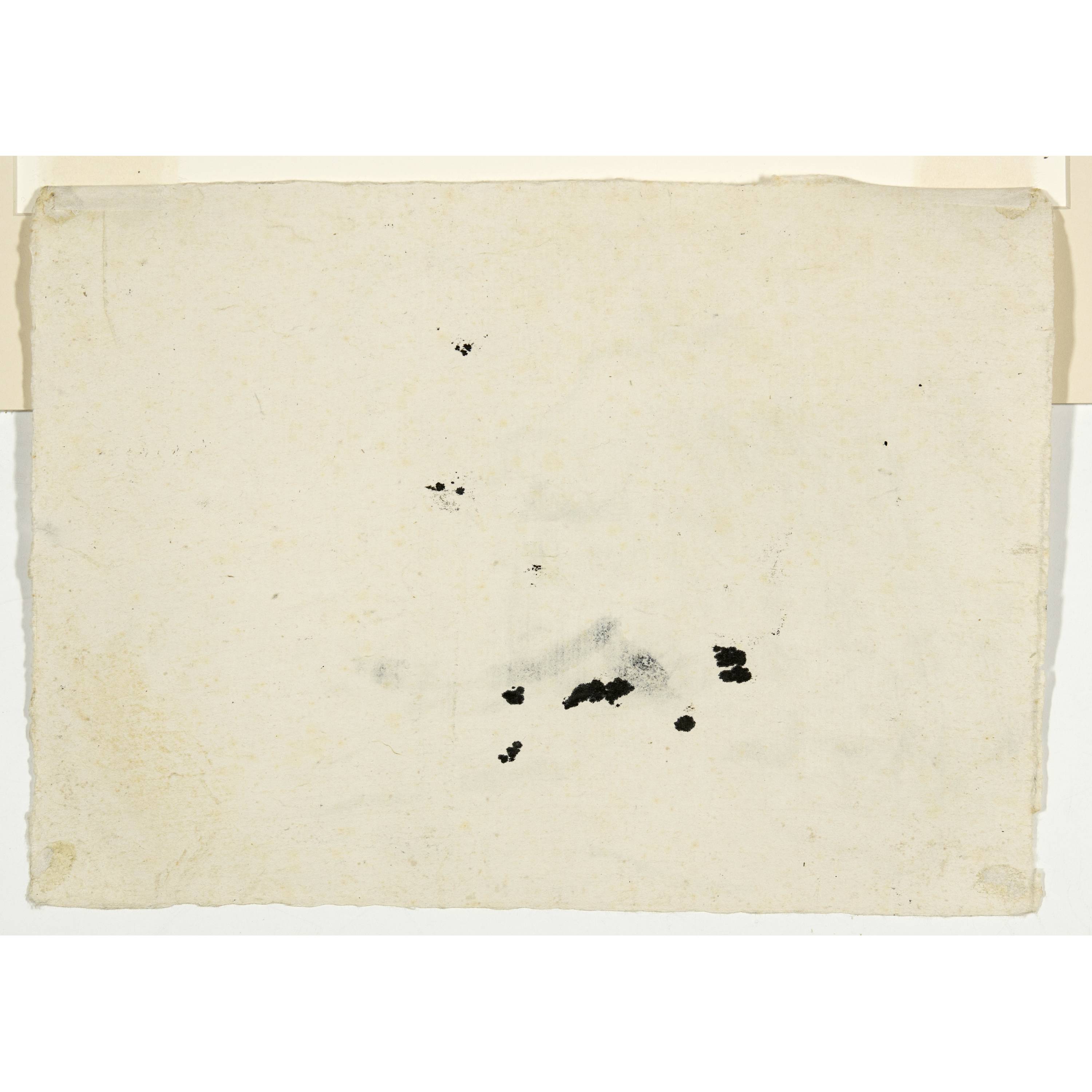
On strong Japanese laid paper, with slightly irregular paper margin, some Indian ink stains on the reverse
Emil Nolde spends the months of February and March 1910 in Hamburg. He is fascinated by the sea and the harbours. Within a very short time he produced 13 paintings, over 100 ink drawings, 19 etchings and four woodcuts on the theme of the harbour and ships. The artist himself said: "Hamburg is so rich in beauty to my eye." The many sketches and ink drawings are testimony to his intensive engagement with the motifs. He was particularly fascinated by the motif of the steamer, whose clouds of smoke seem to merge seamlessly into the cloud-covered sky
Max Sauerland wrote in his book on Nolde, published in 1921: "Nolde knows the sea as no artist has known it before him. He does not see it from the beach or from a ship, he sees it as it lives in itself, detached from any reference to man, as the eternally active, eternally changing, divine primordial being that lives itself out, that exhausts itself in itself, and that has still retained the untamed freedom of the first day of creation. Thus the sea also lives in the Hamburg sheets and all the human work around it (...)." The sheet offered here is one of these free, dissolved and impressive black and white drawings by the master
1910
Pinselzeichnung in Tusche
23,3x33,2 cm
Oben rechts vom Künstler in Bleistift signiert "Nolde"
Bestätigung von Dr. Christian Ring, Nolde Stiftung Seebüll, dass die Arbeit aus dem Nachlass des Künstlers stammt, liegt vor
Nachlass des Künstlers
Nolde Stiftung Seebüll
Privatsammlung Deutschland
Berlin 2018, Wolfgang Wittrock Kunsthandel, Emil Nolde, Gemälde - Aquarelle - Zeichnungen - Graphik
Auf festem Japanbütten, mit leicht unregelmässigem Papierrand, rückseitig mit einzelnen Tuscheflecken
Die Monate Februar und März des Jahres 1910 verbringt Emil Nolde in Hamburg. Er ist fasziniert vom Meer und den Häfen. Innerhalb kürzester Zeit entstehen 13 Gemälde, über 100 Tuschezeichnungen, 19 Radierungen und vier Holzschnitte, die den Hafen und die Schiffe zum Thema haben. Der Künstler selbst sagte: "Hamburg ist für mein Auge so reich an Schönheit." Die vielen Skizzen und Tuschezeichnungen sind Zeugnis seiner intensiven Auseinandersetzung mit den Motiven. Besonders fasziniert ihn das Motiv des Dampfers, dessen Rauchschwaden nahtlos in den Wolken verhangenen Himmel überzugehen scheinen
Max Sauerland schrieb in seinem 1921 erschienen Buch über Nolde: "Nolde kennt das Meer, wie es vor ihm noch kein Künstler gekannt hat. Er sieht es nicht vom Strande oder vom Schiffe aus, er sieht es so, wie es in sich selbst lebt, losgelöst aus jedem Bezug auf den Menschen, als das ewige regsame, ewig wechselvolle, ganz in sich selbst sich auslebende, in sich selbst sich erschöpfende göttliche Urwesen, das bis heute noch die ungebändigte Freiheit des ersten Schöpfungstages sich bewahrt hat. So lebt das Meer auch in den Hamburger Blättern und alles Menschenwerks drum und dran (...)." Das hier angebotene Blatt ist eine dieser freien, aufgelösten und eindrücklichen schwarz-weiss Zeichnungen des Meisters