- EN


 Log in
-
- Live Auctions
- Past auctions
- More
- Kornfeld today
- The Story of Kornfeld
- Information









Paris 1840 - 1926 Giverny


1881
Oil on canvas
65x81 cm
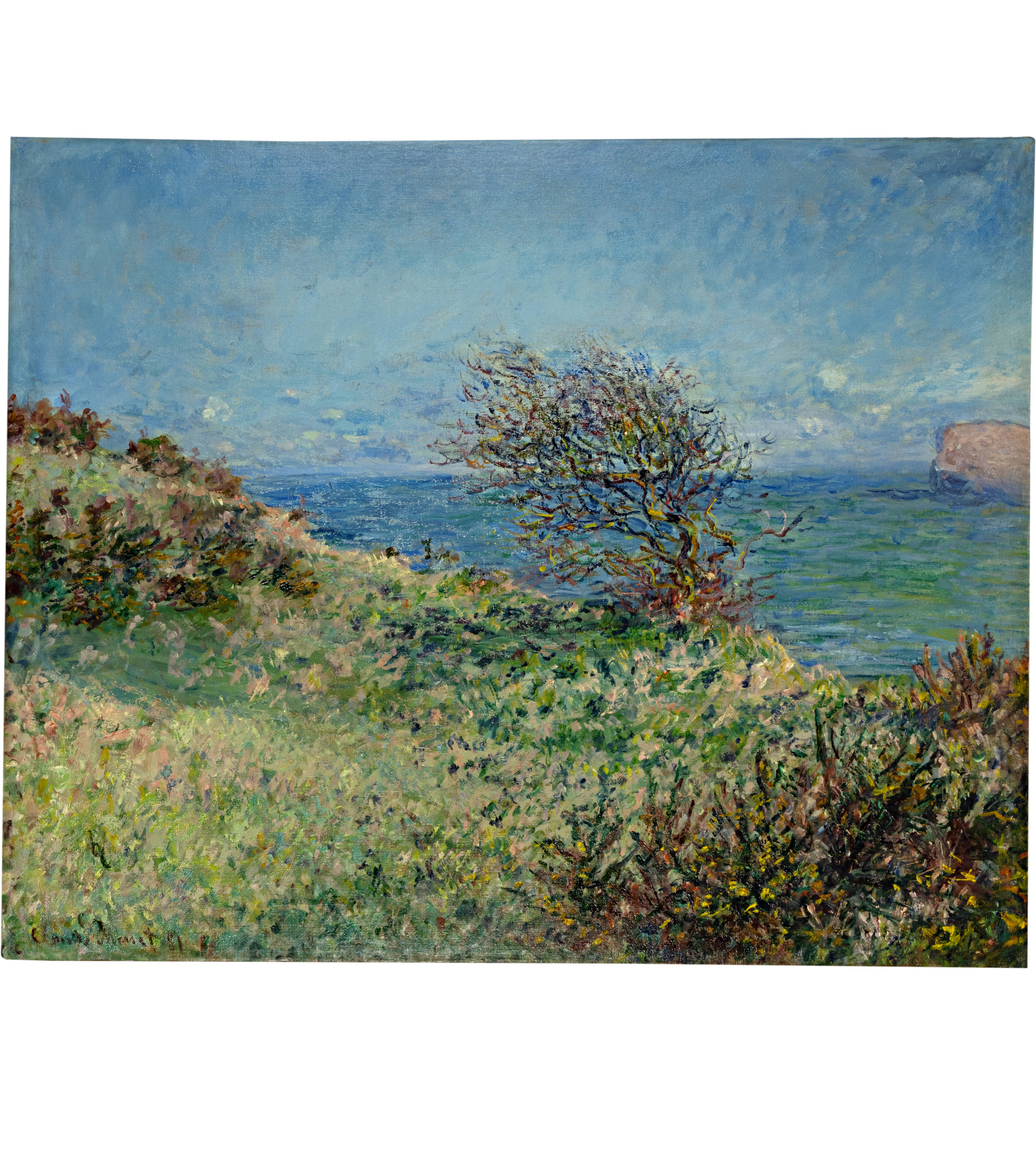
Lower left signed and dated by the artist 'Claude Monet 81'
Daniel Wildenstein, Monet, Catalogue raisonné, Cologne 1996, vol. I, no. 657
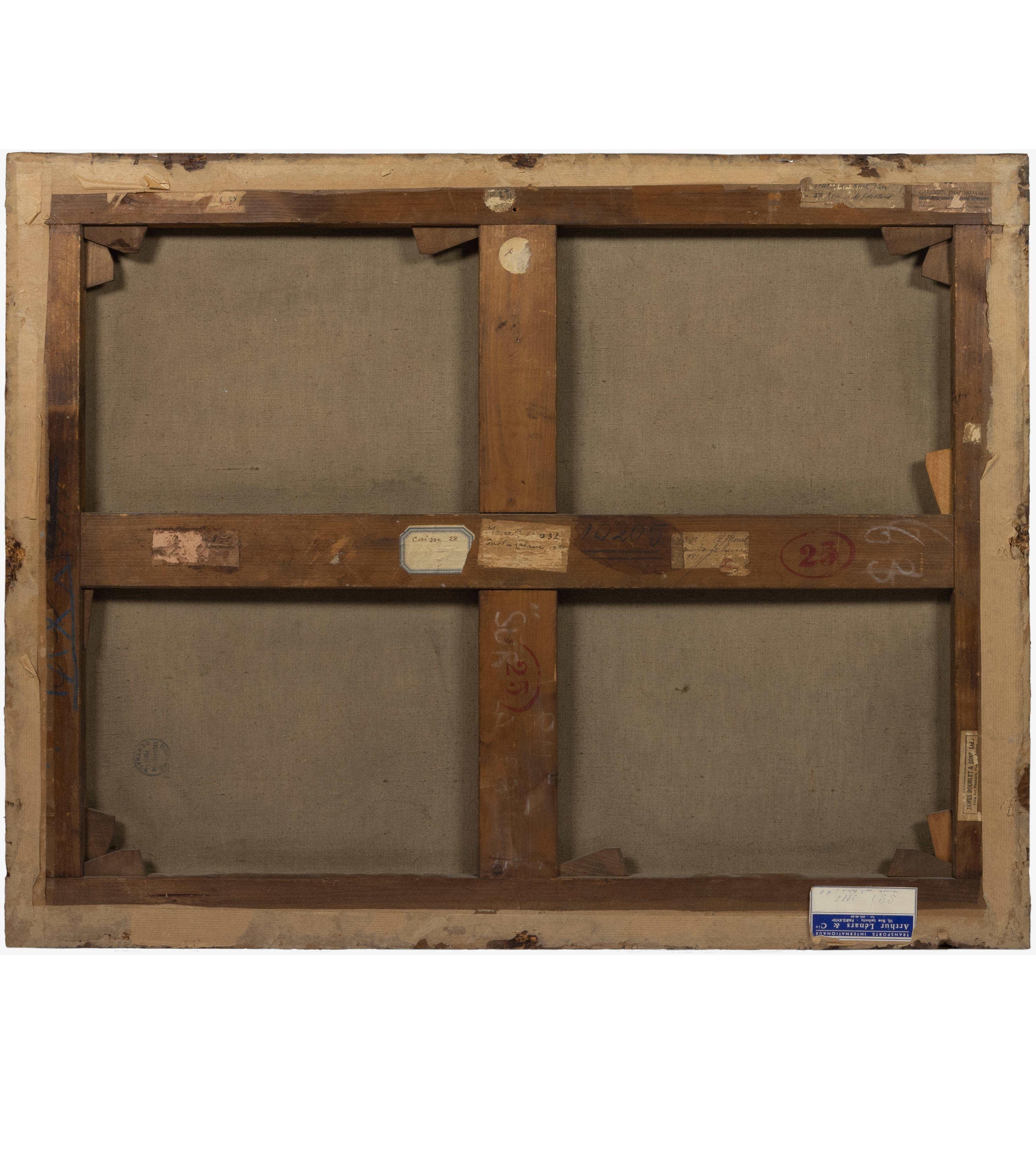
Sold by Monet in April 1881 to
Durant-Ruel, sold in May 1882 to
Clapisson (probably Louis Aimé 'Léon' Clapisson, 1836-1894, Paris)
Collection James Sutton, New York, auctioned at
Auction American Art Association, New York, 16/17 January 1917, lot 141
Mrs. Helen Boyd Dull, New York, auctioned at
Auction Anderson Galleries, New York, 5 May 1925, lot 63, acquired by
Galerie Durand-Ruel, New York and Paris
Sam Salz, Inc., New York
Collection Edgar William Garbisch (1899-1979), New York, his collection auctioned at
Auction Parke-Bernet, New York, The Garbisch Collection, 12 May 1980, lot 16, acquired there by
Important Private Collection Switzerland
Daniel Wildenstein, Claude Monet, Biographie et Catalogue raisonné, Tome I, 1840-1881, Lausanne/Paris 1974, no. 657
Paris 1928, Galerie Durand-Ruel, Monet, cat. no. 28
Berlin 1928, Galerie Thannhauser, Monet, cat. no. 30
Edinburgh/London 1957, Royal Scottish Academy/Tate Gallery, Claude Monet, cat. no. 63
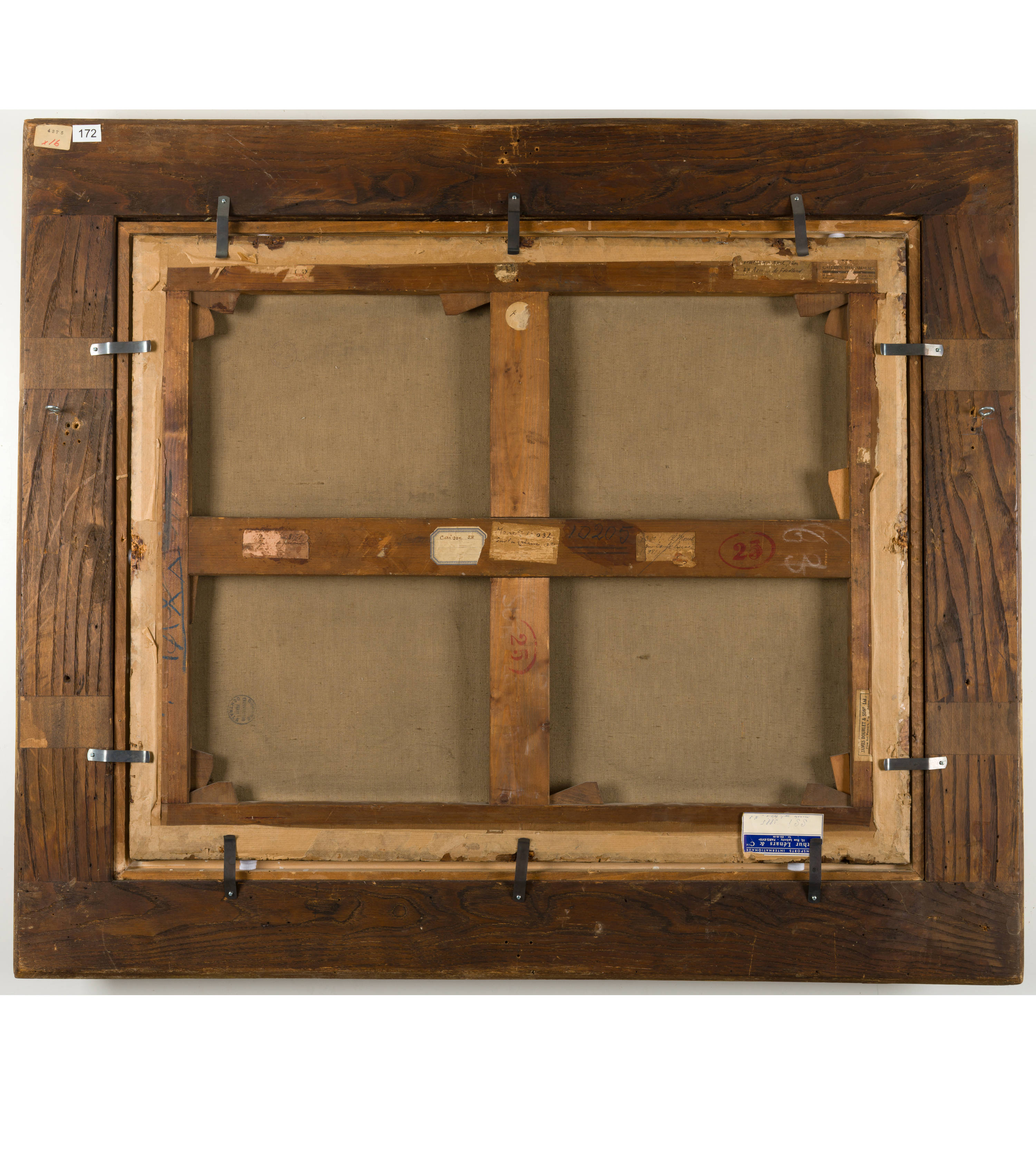
Old lining. Restorations and overpainting at the edges, individual retouching in the image. In fine condition
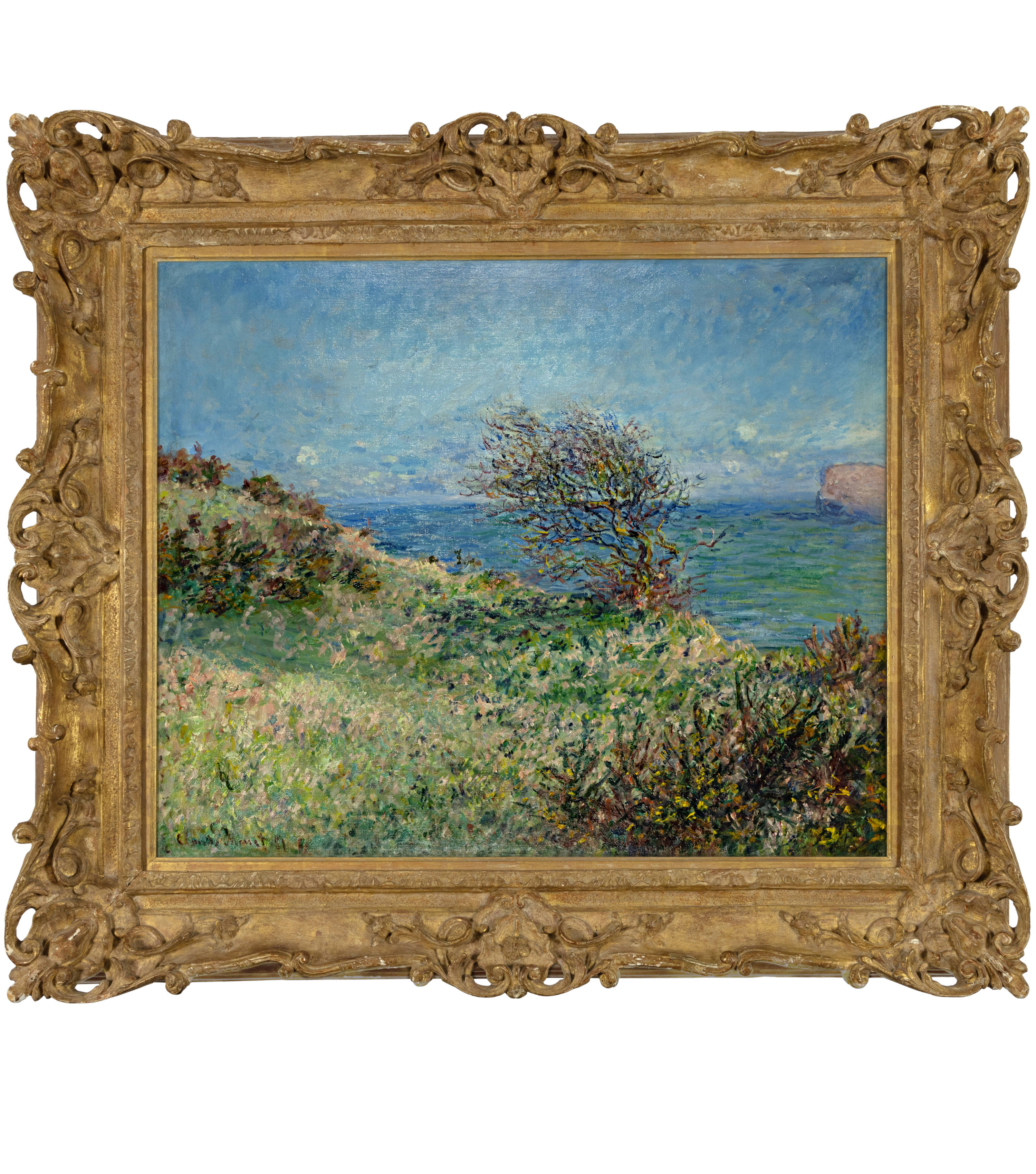
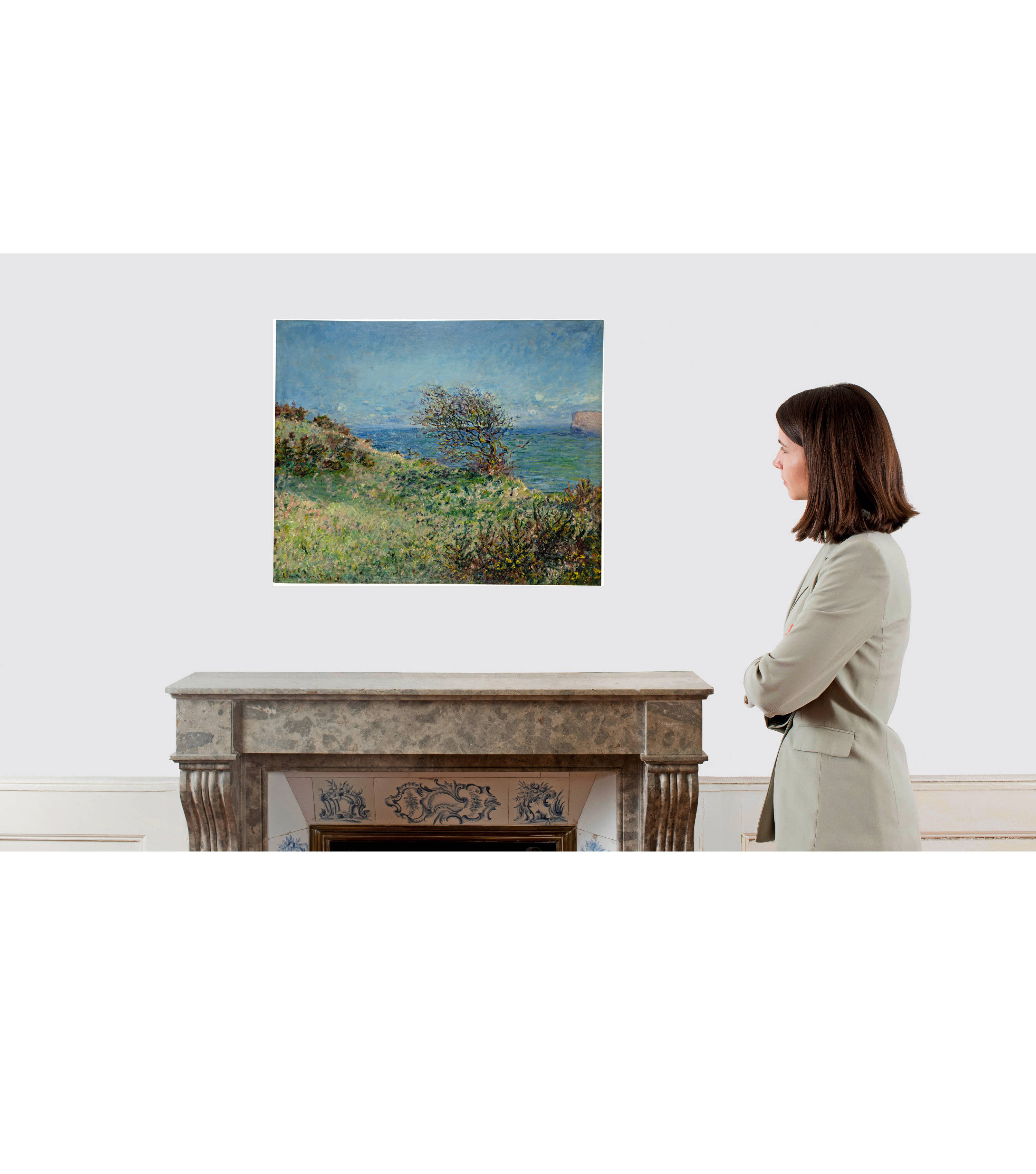
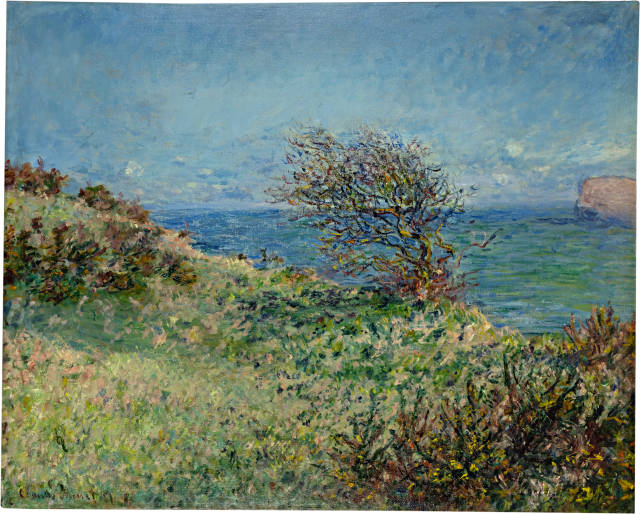
This painting by Claude Monet belongs to a series of impressive landscapes that the artist painted on the Normandy coast. It was created near Grainval, a small place between Étretat and Fécamp on the Alabaster Coast. The view opens to the east. On the right side of the painting, we see the distinctive Cap Fagnet, a striking cliff and a landmark near Fécamp. In the foreground rises a lush green, bush-covered cliff. Particularly striking is the tree in the centre of the painting, shaped by the coastal wind, which brings dynamism to the otherwise calm composition. It could symbolise the harsh forces of nature to which the coast is exposed.
Claude Monet spent several weeks on the Normandy coast in March 1881, which he had already discovered in the 1860s. In 1868, he had spent a winter in nearby Étretat. Throughout his life, he was fascinated by the interplay of weather, light, and landscape, which is shown here in particularly dramatic fashion. His stays in Grainval, Yport, and Fécamp inspired numerous coastal views, which count among the highlights of his early Impressionism.
1881
Öl auf Leinwand
65x81 cm
Unten links vom Künstler signiert und datiert "Claude Monet 81"
Daniel Wildenstein, Monet, Catalogue raisonné, Köln 1996, Bd. I,
Im April 1881 von Monet verkauft an
Durant-Ruel, im Mai 1882 verkauft an
Clapisson (wohl Louis Aimé "Léon" Clapisson, 1836-1894, Paris)
Slg. James Sutton, New York, versteigert bei
Auktion American Art Association, New York, 16./17. Januar 1917, Los 141
Mrs. Helen Boyd Dull, New York, versteigert bei
Auktion Anderson Galleries, New York, 5. Mai 1925, Los 63, erworben von
Galerie Durand-Ruel, New York und Paris
Sam Salz, Inc., New York
Slg. Edgar William Garbisch (1899-1979), New York, dessen Sammlung versteigert bei
Auktion Parke-Bernet, New York, The Garbisch Collection, 12. Mai 1980, Los 16, dort erworben von
Bedeutende Privatsammlung Schweiz
Daniel Wildenstein, Claude Monet, Biographie et Catalogue raisonné, Tome I, 1840-1881, Lausanne/Paris 1974,
Paris 1928, Galerie Durand-Ruel, Monet,
Berlin 1928, Galerie Thannhauser, Monet,
Edinburgh/London 1957, Royal Scottish Academy/Tate Gallery, Claude Monet,
Alt doubliert. Restaurierungen und Übermalungen an den Rändern, einzelne Retuschen im Bild. In sehr schöner Erhaltung
Das angebotene Gemälde von Claude Monet gehört zu einer Reihe eindrucksvoller Landschaftsdarstellungen, die der Künstler an der normannischen Küste malte. Entstanden ist es in der Nähe von Grainval, einem kleinen Ort zwischen Étretat und Fécamp an der Alabasterküste. Der Blick öffnet sich nach Osten – rechts im Bild ist das markante Cap Fagnet zu erkennen, eine auffällige Klippe und ein Orientierungspunkt bei Fécamp. Im Vordergrund erhebt sich eine saftig-grüne von verschiedenen Büschen belebte Steilküste. Besonders auffällig ist der vom Küstenwind geformte Baum in der Mitte des Bildes, der Dynamik in die sonst ruhige Komposition bringt. Er könnte die rauen Naturkräfte symbolisieren, denen die Küste ausgesetzt ist.
Claude Monet war im März 1881 für mehrere Wochen an der normannischen Küste, die er bereits in den 1860er Jahren entdeckt hatte. So hatte er 1868 einen Winter im nahen Étretat verbracht. Er war zeitlebens fasziniert vom Wechselspiel von Wetter, Licht und Landschaft, das sich hier besonders dramatisch zeigt. Seine Aufenthalte in Grainval, Yport und Fécamp inspirierten zahlreiche Küstenansichten, die zu den Höhepunkten seines frühen Impressionismus zählen.
| Switzerland | CHF | Individual offer |
| Europe | CHF | Individual offer |
| USA | CHF | Individual offer |
| Overseas | CHF | Individual offer |