- EN


 Log in
-
- Live Auctions
- Past auctions
- More
- Kornfeld today
- The Story of Kornfeld
- Information









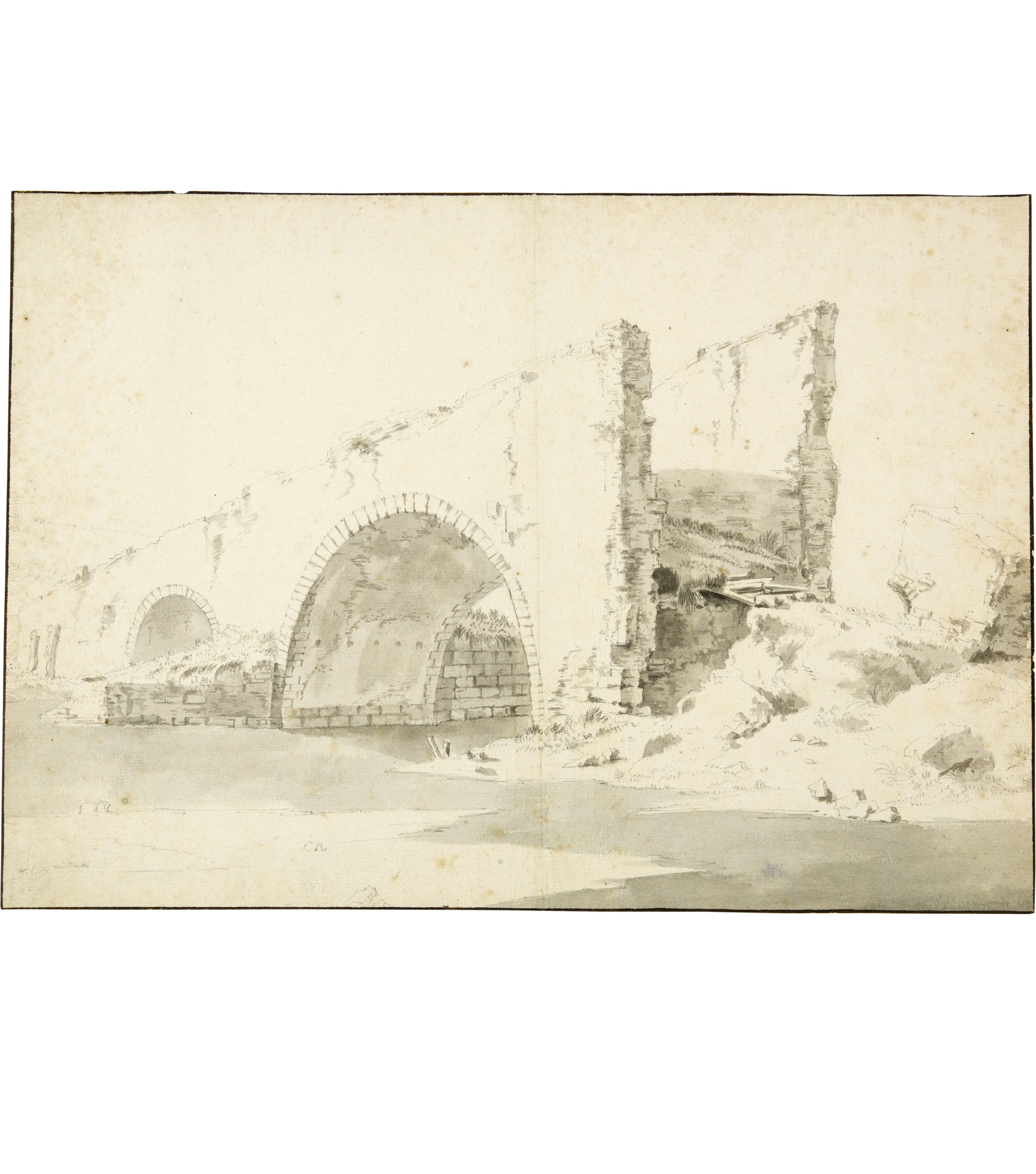
Diepen 1610 - 1652 Amsterdam



Circa 1644-45
Brush in grey ink, over a light graphite preparatory drawing on laid paper with watermark "Grape" (similar to Heawood 2100, where recorded for Paris, 1644)
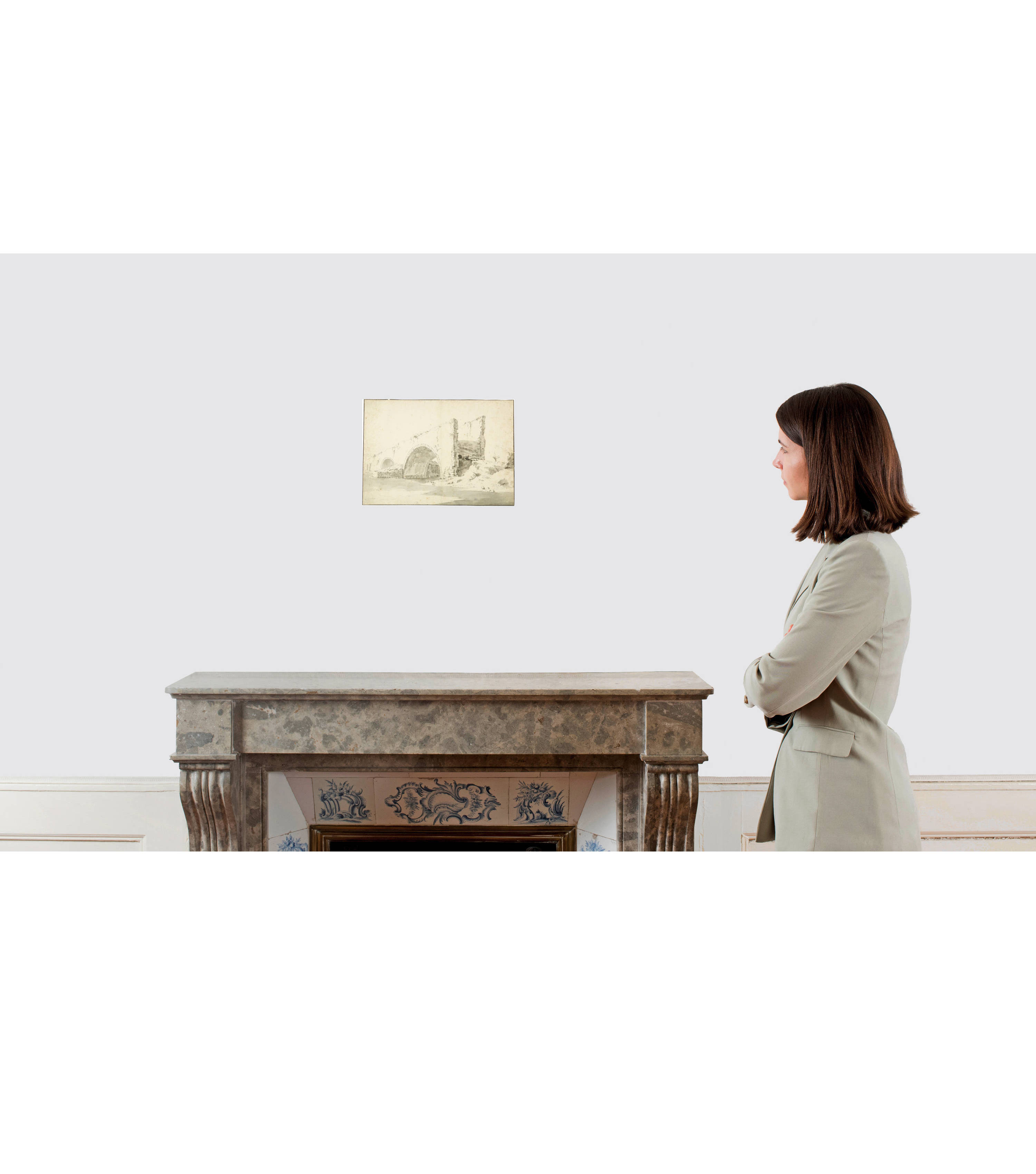
26.2x37.6 cm, sheet size
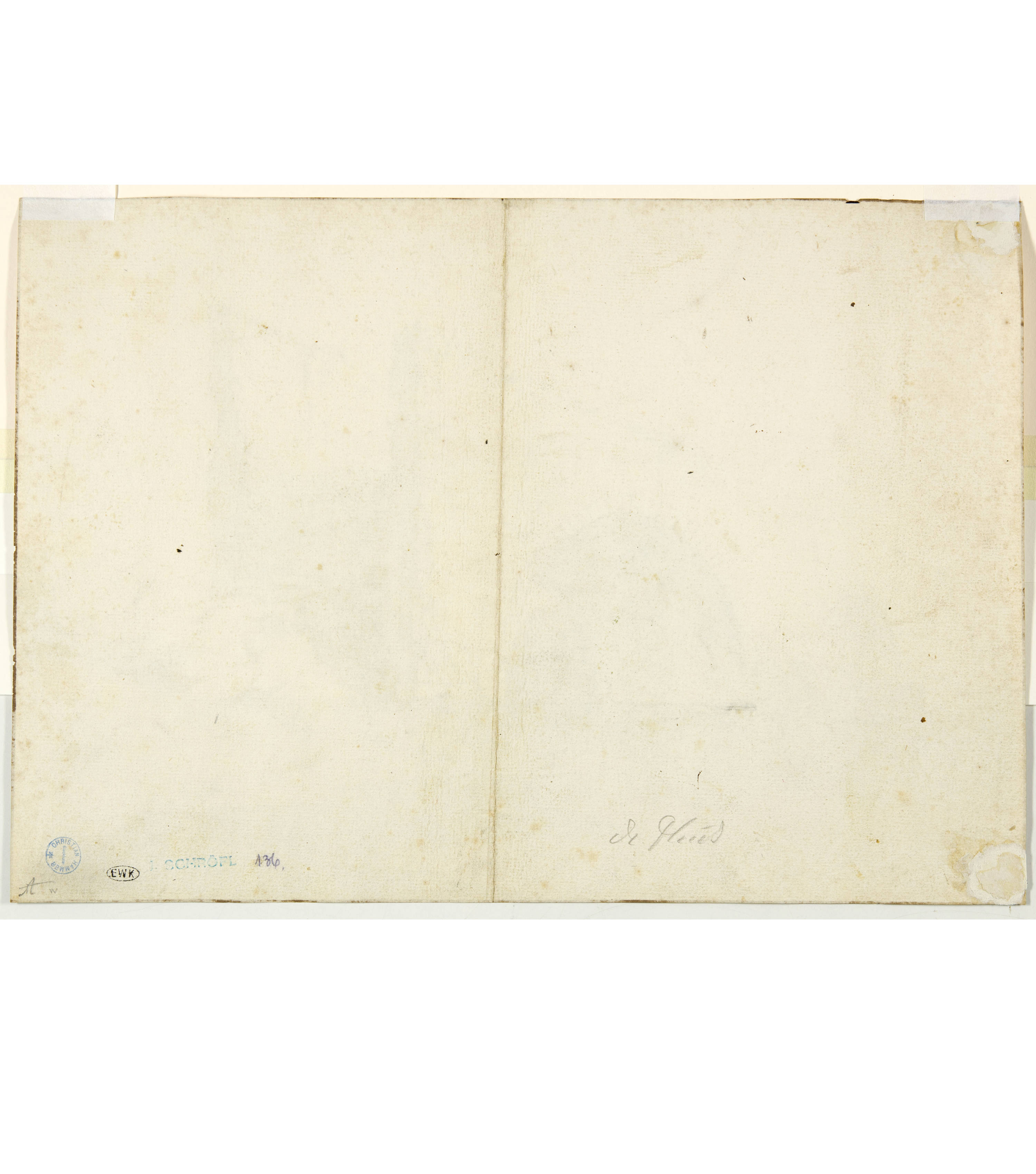
Christian Hammer Collection (1818-1905), Stockholm, Lugt 1237
Collection Jakob Schröfl (1850-1921), Vienna, Lugt 4433
Paul Prouté, December 1995 (offered there as "attribué à Jan Asselyn")
The Eberhard W. Kornfeld Collection, Bern, Lugt 913b
Lisa Oehler, Rom in der Graphik des 16. bis 18. Jahrhunderts, Berlin 1997, p. 134f., note 19
Vertical centrefold along the old dry fold of the paper sheet; occasional pale stains, but overall nice and fresh
Jan Asselijn, born in Diepen after 1610, was in Rome as "Bentvogel" from around 1638 to around 1644. He stayed in Lyon from 1644 to 1645, in Paris in 1646 and is documented in Amsterdam from 1647 until his death in 1652.
The sheet was previously thought to be a depiction of the Ponte Rotto in Rome. Annemarie Stefes, however, locates the scene with good reason in the neighbourhood of Lyon. A similar structure was drawn there from the opposite perspective by Frederic de Moucheron (1633-1685/86) (Paris, Fondation Custodia, inv. no. 9334, cf. Stijn Alsteens, Hans Buijs, Paysages de France, Paris 2008, no. 87), which is identified as the bridge of Chaponost near Lyon. Stefes surmises that it could be the same structure if Asselijn "took artistic liberties in the rendering of the spatial situation". She also writes: "Without any figurative additions, this view of the bridge must have been created on site. The watermark can easily be linked to a stay in France. Jan Asselijn, to whom the sheet is attributed, travelled to Italy via Lyon and married the daughter of a Flemish merchant on his way back in 1644. [...] However, the reference to [Guilliam] de Heusch (1612-1692) noted on the verso cannot be confirmed."
We would like to thank Dr Annemarie Stefes for her assessment of the drawing on the basis of an image file.
Um 1644-45
Pinsel in grauer Tusche, über leichter Graphit-Vorzeichnung auf Bütten mit Wasserzeichen "Traube" (ähnlich Heawood 2100, dort für Paris, 1644 dokumentiert)
26,2x37,6 cm, Blattgrösse
Slg. Christian Hammer (1818–1905), Stockholm, Lugt 1237
Slg. Jakob Schröfl (1850–1921), Wien, Lugt 4433
Paul Prouté, Dezember 1995 (dort als "attribué à Jan Asselyn" angeboten)
Slg. Eberhard W. Kornfeld, Bern, Lugt 913b
Lisa Oehler, Rom in der Graphik des 16. bis 18. Jahrhunderts, Berlin 1997, pag. 134f., Anm. 19
Vertikale Mittelfalte entlang der alten Trockenfalte des Papierbogens; vereinzelt blass fleckig, insgesamt aber schön und frisch
Jan Asselijn, geboren in Diepen nach 1610, war als "Bentvogel" ab ca. 1638 bis ca. 1644 in Rom. Er hielt sich 1644 bis 1645 in Lyon, 1646 in Paris auf und ist ab 1647 in Amsterdam nachweisbar, bis zu seinem Tode 1652.
Das Blatt wurde bislang für eine Darstellung des Ponte Rotto in Rom gehalten. Annemarie Stefes lokalisiert die Szenerie hingegen mit guten Gründen in die Umgebung von Lyon. Dort wurde ein ähnliches Bauwerk aus entgegengesetzter Perspektive von Frederic de Moucheron (1633-1685/86) gezeichnet (Paris, Fondation Custodia, Inv.
Wir danken Frau Dr. Annemarie Stefes für ihre Beurteilung der Zeichnung auf der Grundlage einer Bilddatei.
| Switzerland | CHF | 150 |
| Europe | CHF | 250 |
| USA | CHF | 320 |
| Overseas | CHF | 325 |