- EN


 Log in
-
- Live Auctions
- Past auctions
- More
- Kornfeld today
- The Story of Kornfeld
- Information









Münchenbuchsee bei Bern 1879 - 1940 Muralto


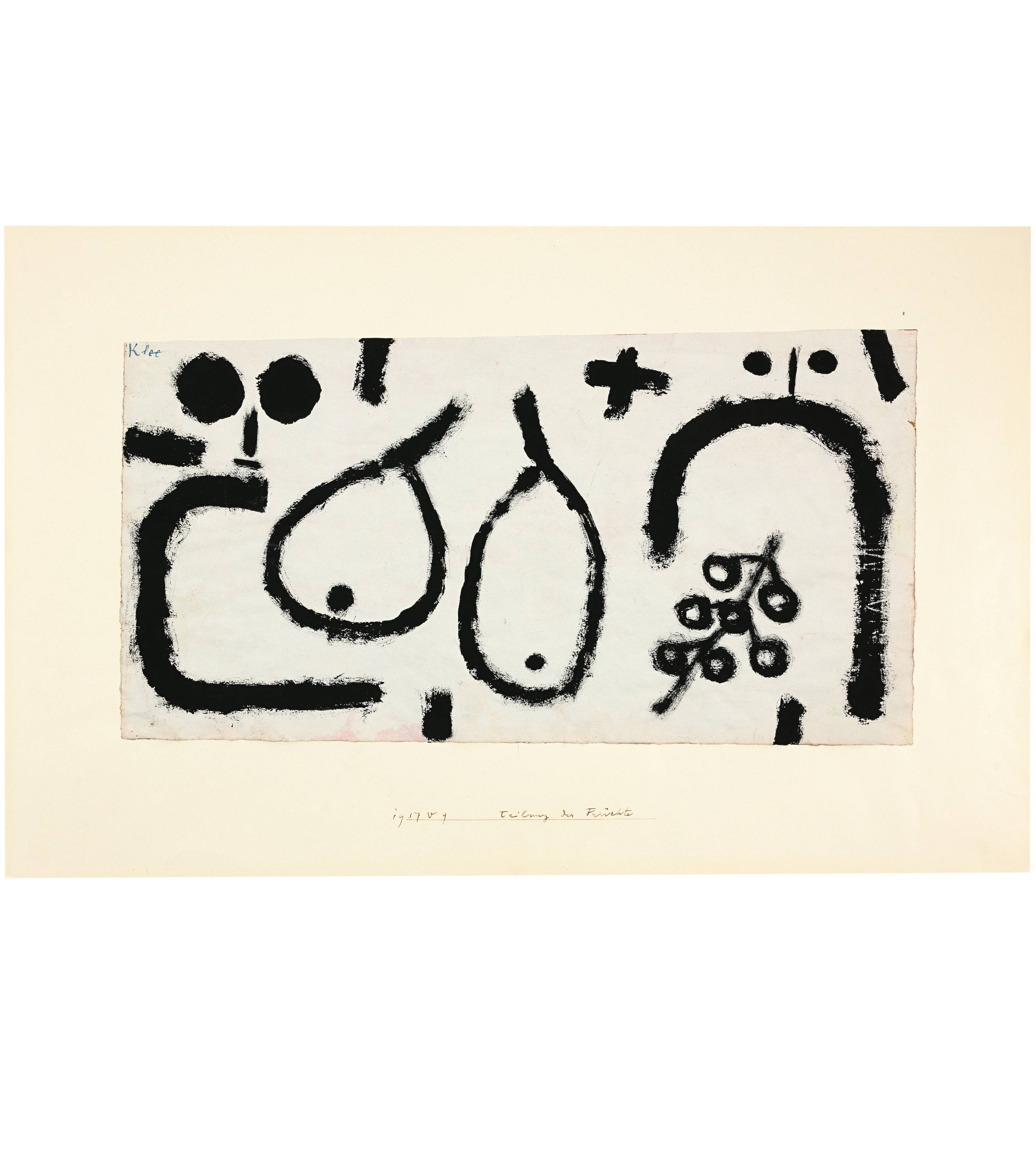
1937 - work number 1937.229 (V9)
Paste colour on paper mounted on cardboard
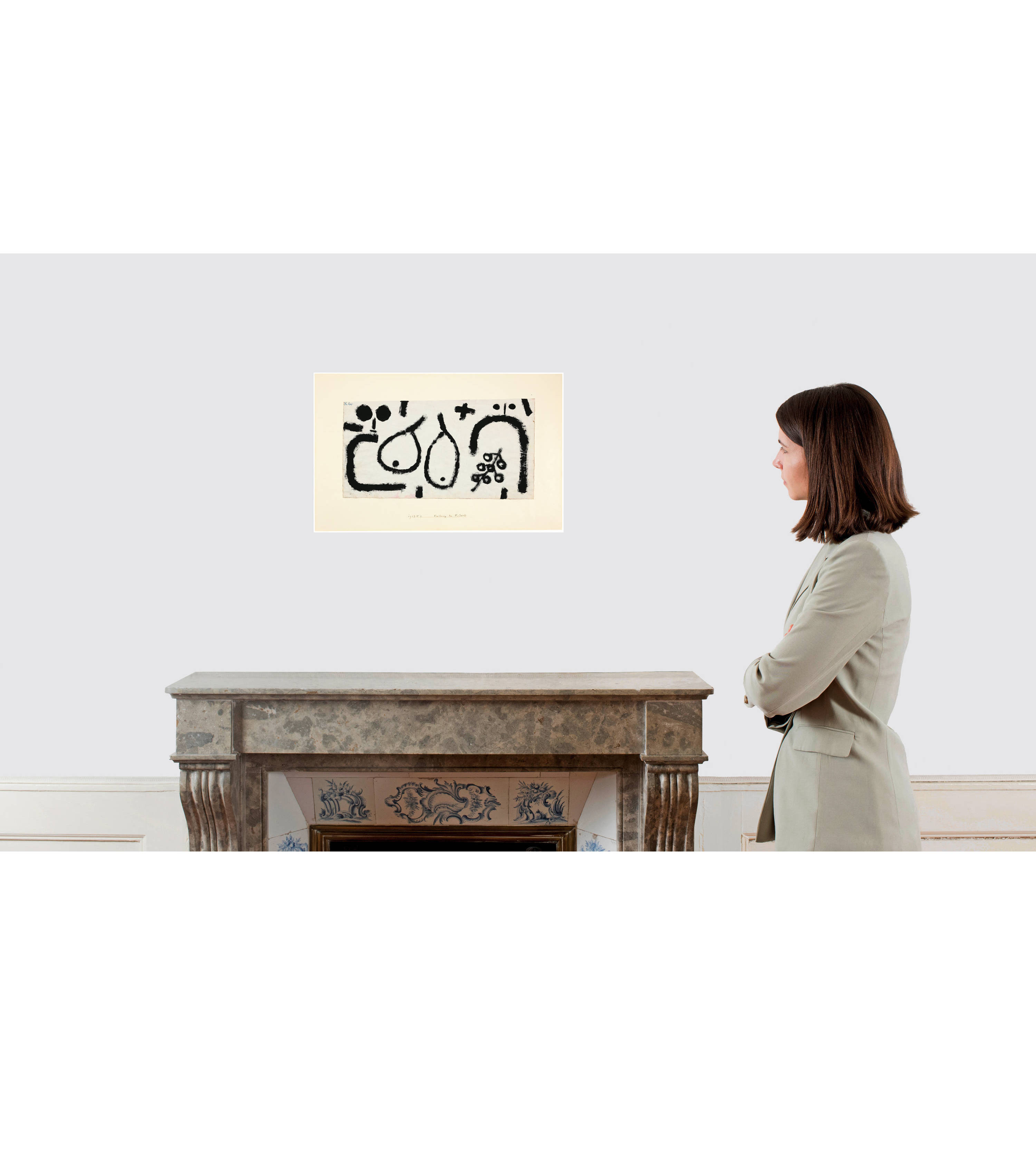
25x48.3 cm, image; 39x62.5 cm, cardboard
Signed "Klee" in ink by the artist at the top left of the image, with the work number "1937.V9 Teilung der Früchte" at the bottom centre
Paul Klee Foundation, Catalogue raisonné, vol. 7, Works 1934-1938, Bern 2003, Cat. No. 7165
Collection Lily Klee-Stumpf, Bern (1940-1946)
Klee Society, Bern (until 1952), acquired there by
Private collection Switzerland
Bern 1979, Kunstmuseum, Paul Klee, Das Spätwerk 1937-1940, cat. no. 25
Bern 2008, Zentrum Paul Klee, In Paul Klees Zaubergarten, ill. p. 191
Oslo/Bergen 2008/2009, Henie Onstad Art Centre/Art Museum, In Paul Klees Zaubergarten, ill. p. 191
Bern 2015, Zentrum Paul Klee, Klee in Bern, without catalogue
Barcelona 2022/2023, Fundació Joan Miró, Paul Klee i els secrets de la natura, ill. p. 113
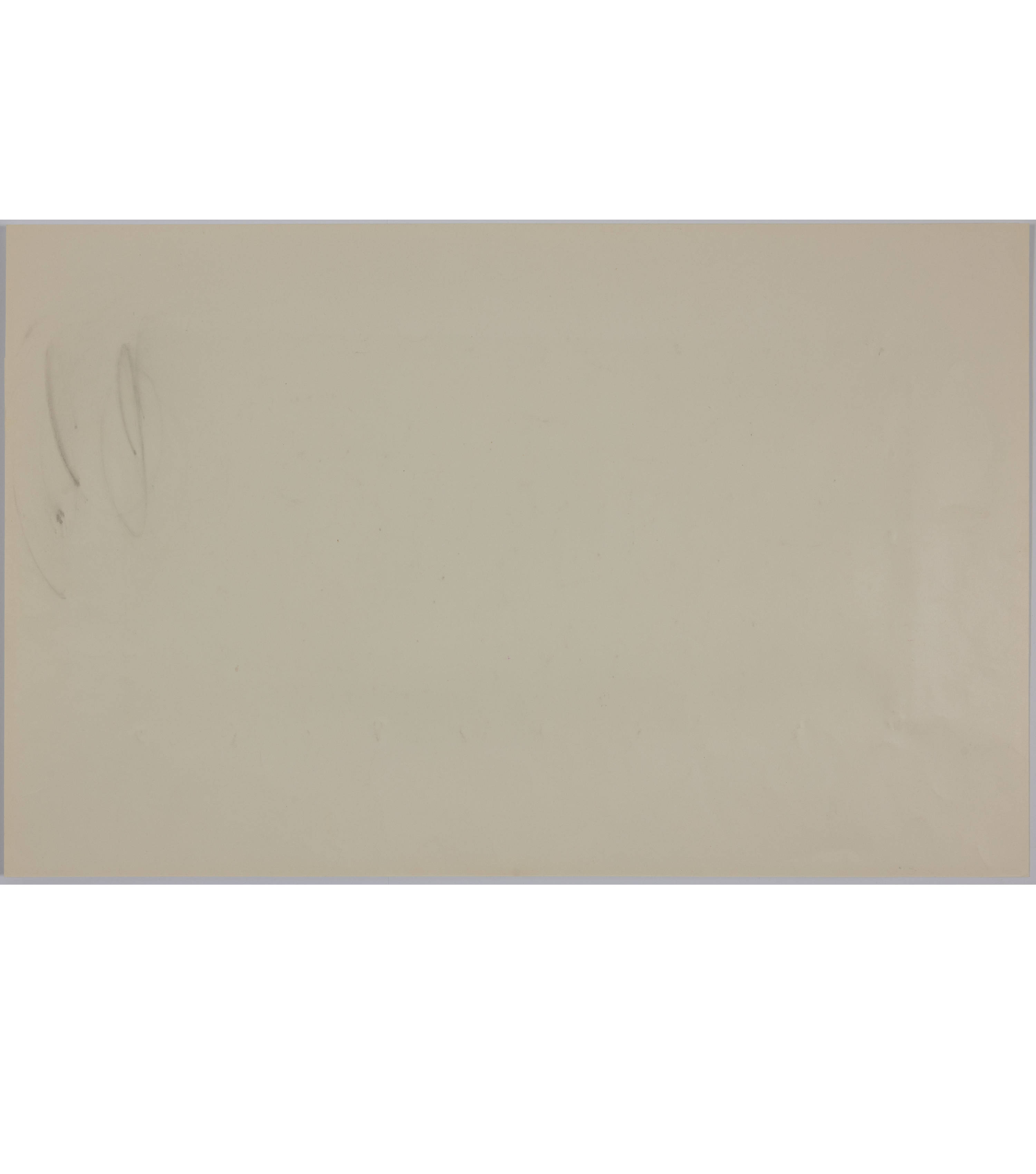
Sheet minimally browned, studio traces on the reverse. In very good condition
The radical change in Paul Klee's life circumstances following the National Socialists' seizure of power in Germany and his emigration to his childhood city of Bern had a lasting effect on his artistic work. While he initially worked under the direct impression of the political threat to European culture and its avant-gardes, the very personal tragedy of an incurable illness was added from 1935/36 onwards. In the last four years of his life, from 1937 to 1940, Klee's "late style" underwent a final consolidation: the forms became clearer, the colourfulness more reduced, often characterised by the contrast of coloured surfaces and black outlines or signs. It is precisely the symbolic, hieroglyphic quality that now characterises these compositions, and which is the constant that defines the character of the late works. The origins of this reduction in the drawing can certainly be traced back to the 1928/1929 trip to Egypt. In the drawing offered here, Klee also worked with the broad brushstrokes typical of his late work. He deconstructs a kind of fruit bowl and probably lays out pears, grapes and berries; one almost seems to discover anthropomorphic elements in the pictorial arrangement. As early as 1934, a very similar rendering of the same motif was created entitled "Tafel-Obst" (Catalogue Raisonné 6570). A very exciting work from the artist's early late period.
1937 - Werknummer 1937.229 (V9)
Kleisterfarbe auf Papier, auf Karton aufgelegt
25x48,3 cm, Darstellung; 39x62,5 cm, Unterlagekarton
Oben links in der Darstellung vom Künstler in Tinte signiert "Klee", unten in der Mitte mit der Werknummer "1937.V9 Teilung der Früchte"
Paul Klee Stiftung, Catalogue raisonné, Band 7, Werke 1934-1938, Bern 2003,
Slg. Lily Klee-Stumpf, Bern (1940-1946)
Klee-Gesellschaft, Bern (bis 1952), dort erworben von
Privatsammlung Schweiz
Bern 1979, Kunstmuseum, Paul Klee, Das Spätwerk 1937-1940,
Bern 2008, Zentrum Paul Klee, In Paul Klees Zaubergarten,
Bern 2015, Zentrum Paul Klee, Klee in Bern, ohne Katalog
Barcelona 2022/2023, Fundació Joan Miró, Paul Klee i els secrets de la natura,
Blatt minim gebräunt, rückseitig Atelierspuren. In sehr schöner Erhaltung.
Die sich mit der Machtergreifung der Nationalsozialisten in Deutschland und der Emigration in seine Jugendstadt Bern radikal geänderten Lebensumstände Paul Klees wirkten sich nachhaltig auf sein künstlerisches Schaffen aus. Arbeitete er zuerst unter dem unmittelbaren Eindruck der politischen Bedrohung der europäischen Kultur und ihrer Avantgarden, kam ab 1935/36 die ganz persönliche Tragik einer unheilbaren Erkrankung hinzu. In den vier letzten Lebensjahren von 1937 bis 1940 erfuhr Klees "Spätstil" eine letzte Verdichtung: Die Formen wurden klarer, die Farbigkeit reduzierter, oft gekennzeichnet durch den Kontrast farbiger Flächen und schwarzer Umrandungen oder Zeichen. Gerade das Zeichenhafte, Hieroglyphische zeichnet nun diese Kompositionen aus und prägt die späten Werke als charaktergebende Konstante. Die Ursprünge dieser Reduktion in der Zeichnung lassen sich sicherlich in der Ägyptenreise von 1928/1929 finden. Auch in der hier angebotenen Zeichnung arbeitete Klee mit dem fürs Spätwerk typisch breiten Pinselstrich. Er dekonstruiert eine Art Obstschale und legt wohl Birnen, Trauben und Beeren aus, fast vermeint man anthropomorphe Elemente in der Bildanlage zu entdecken. Schon 1934 entstand eine sehr verwandte Umsetzung desselben Motivs mit dem Titel "Tafel-Obst" (Cat. Rais. 6570). Eine sehr spannende Arbeit aus dem beginnenden Spätwerk des Künstlers.
| Switzerland | CHF | 170 |
| Europe | CHF | 270 |
| USA | CHF | 360 |
| Overseas | CHF | 380 |