- EN


 Log in
-
- Live Auctions
- Past auctions
- More
- Kornfeld today
- The Story of Kornfeld
- Information


1941 Bern 2020


13 December 1976
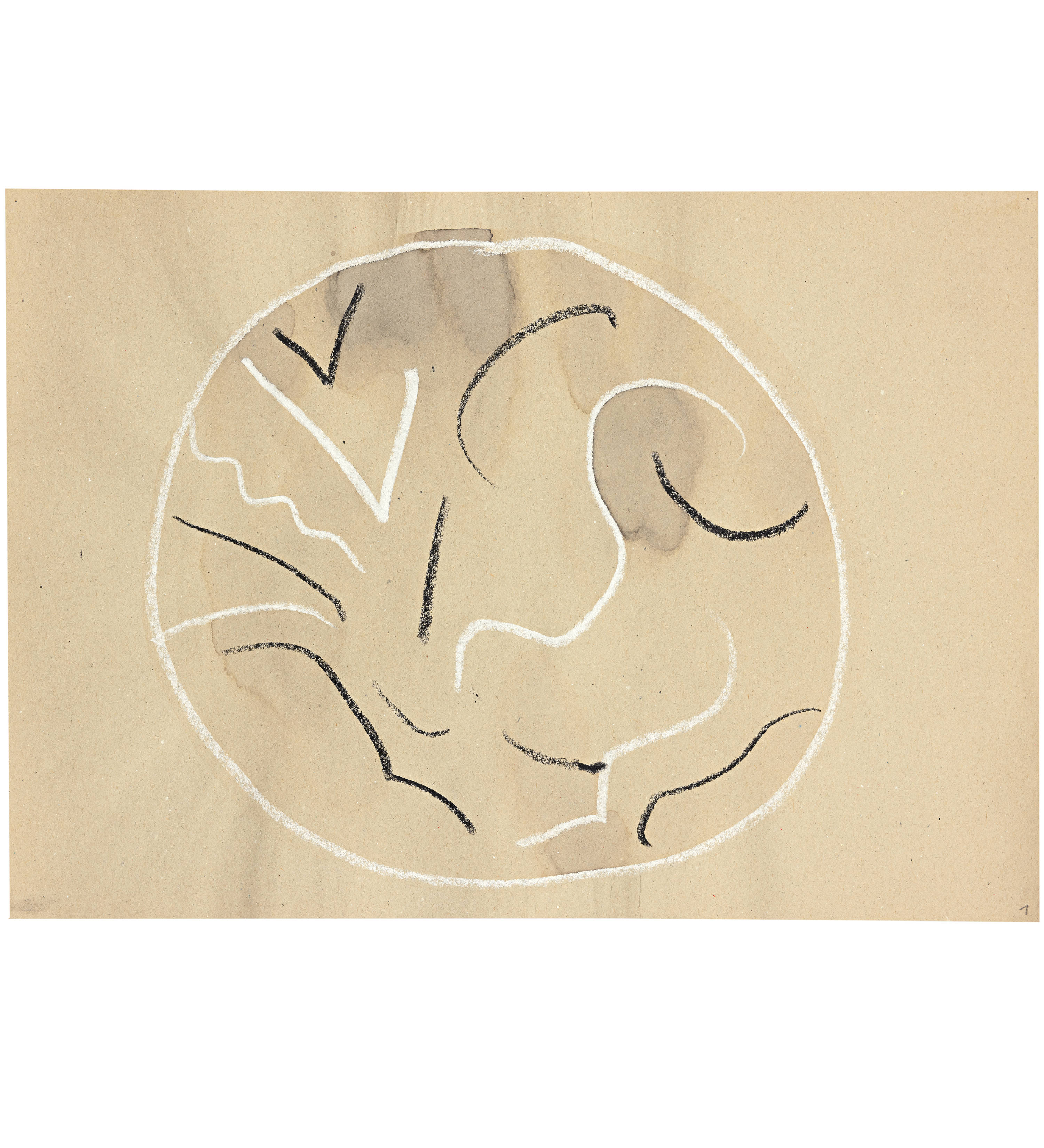
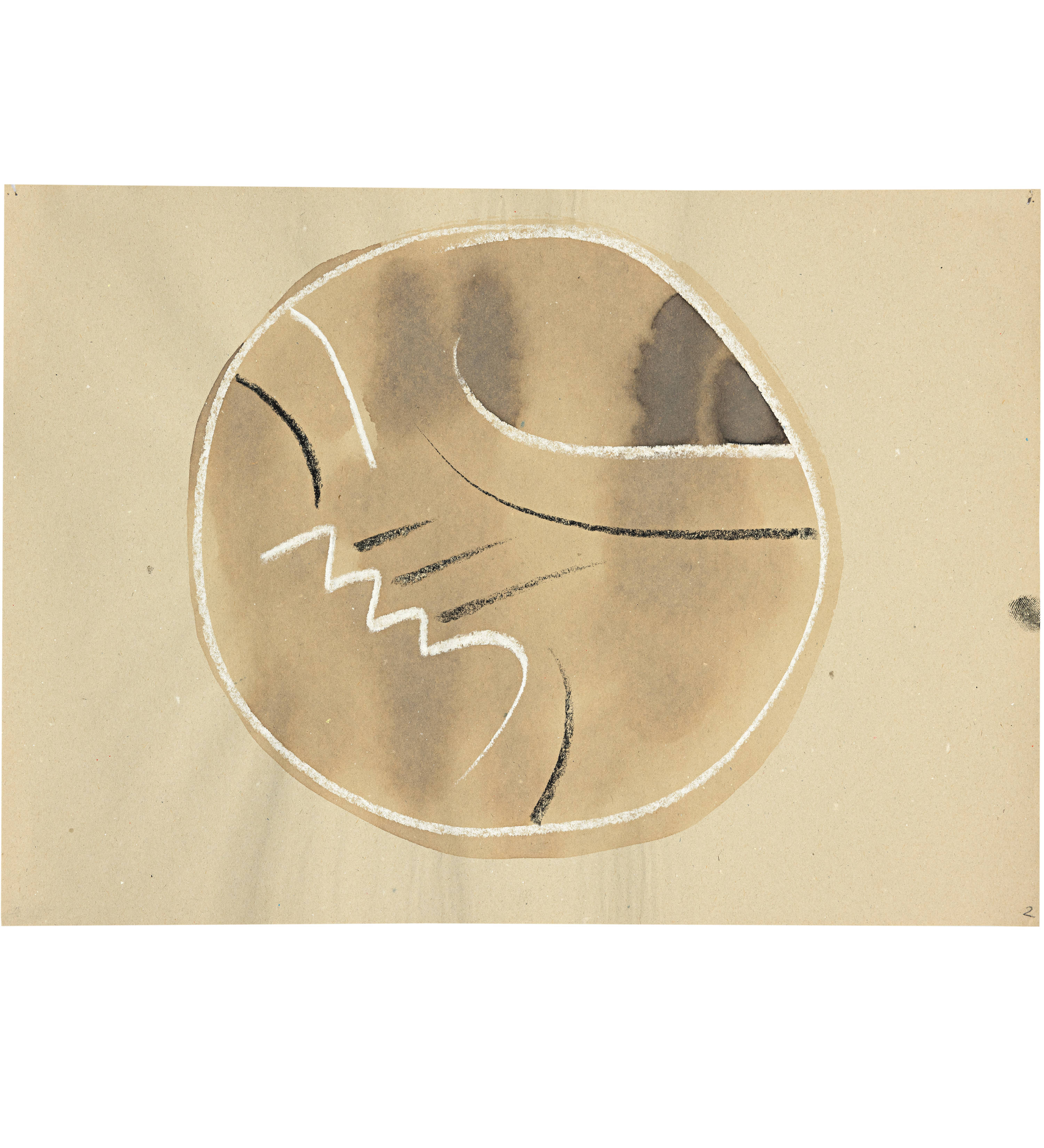
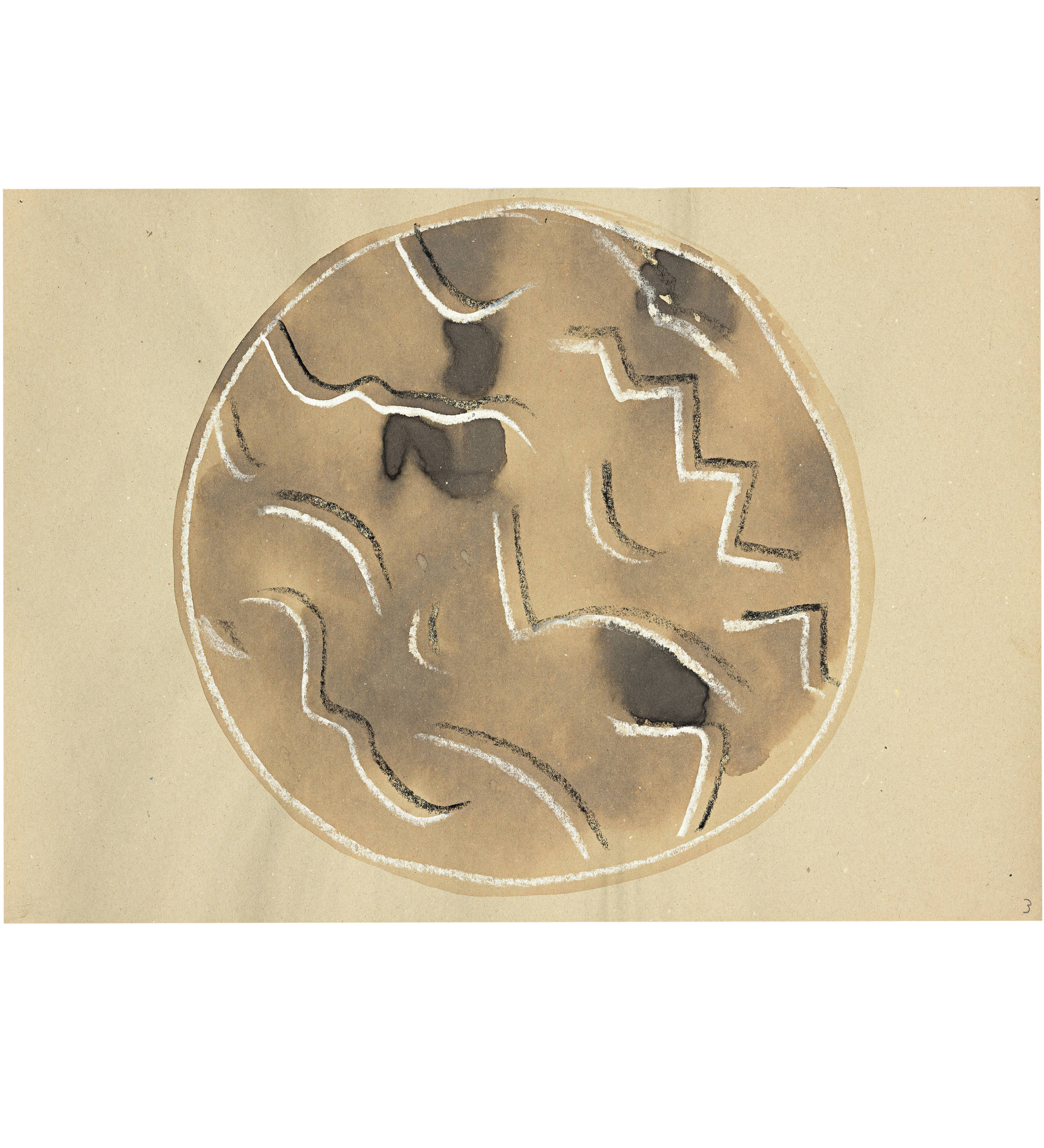
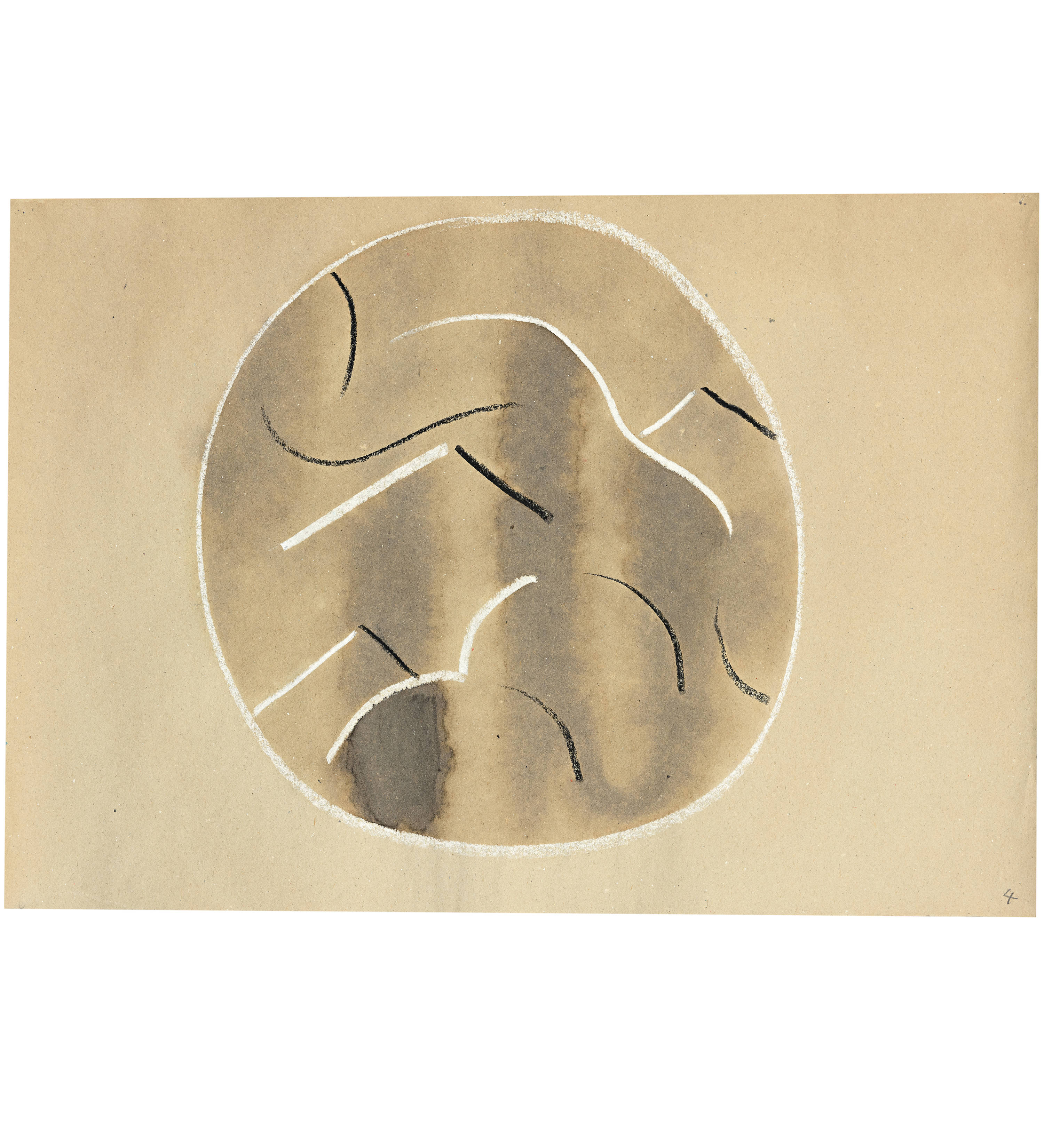
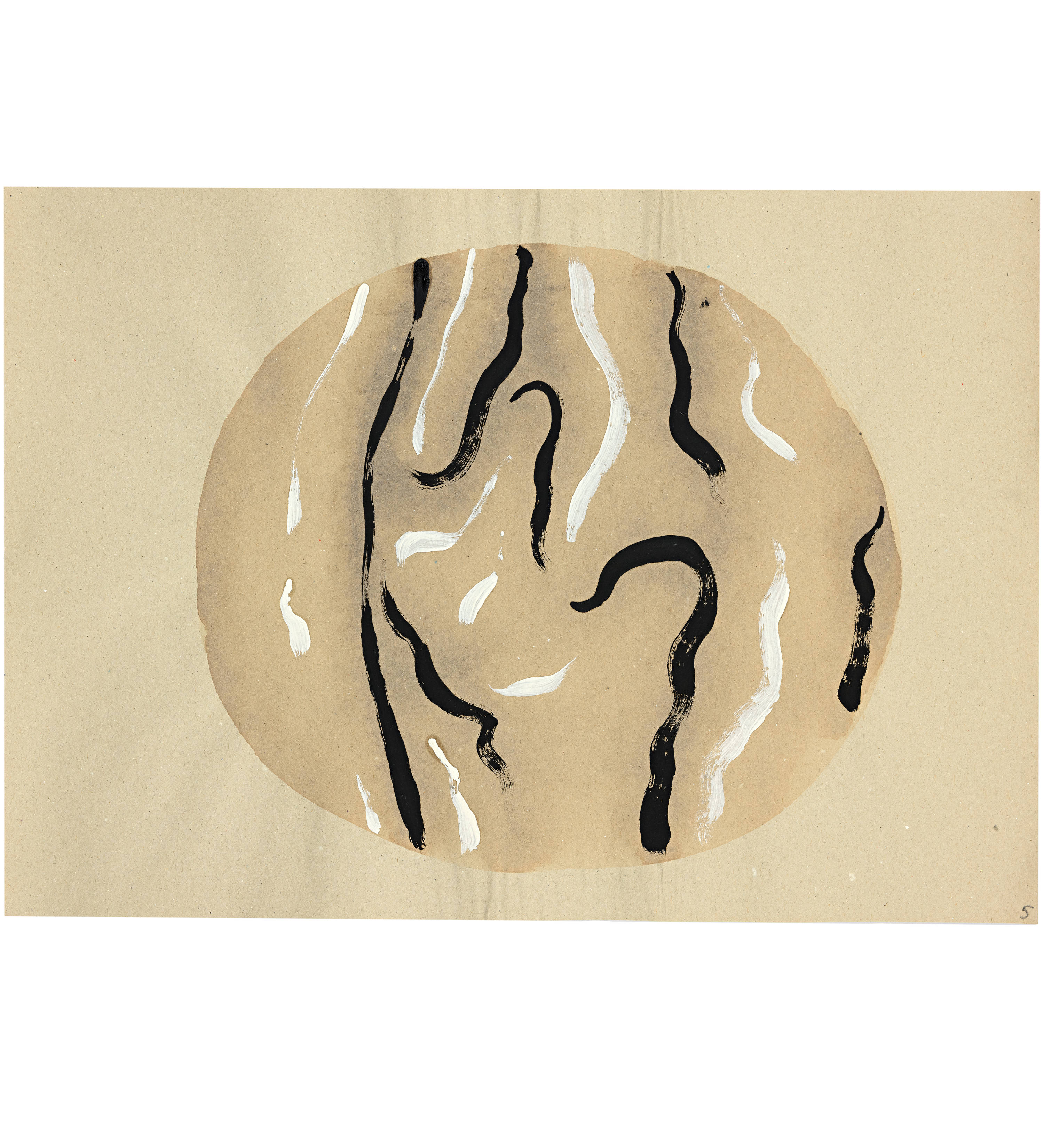
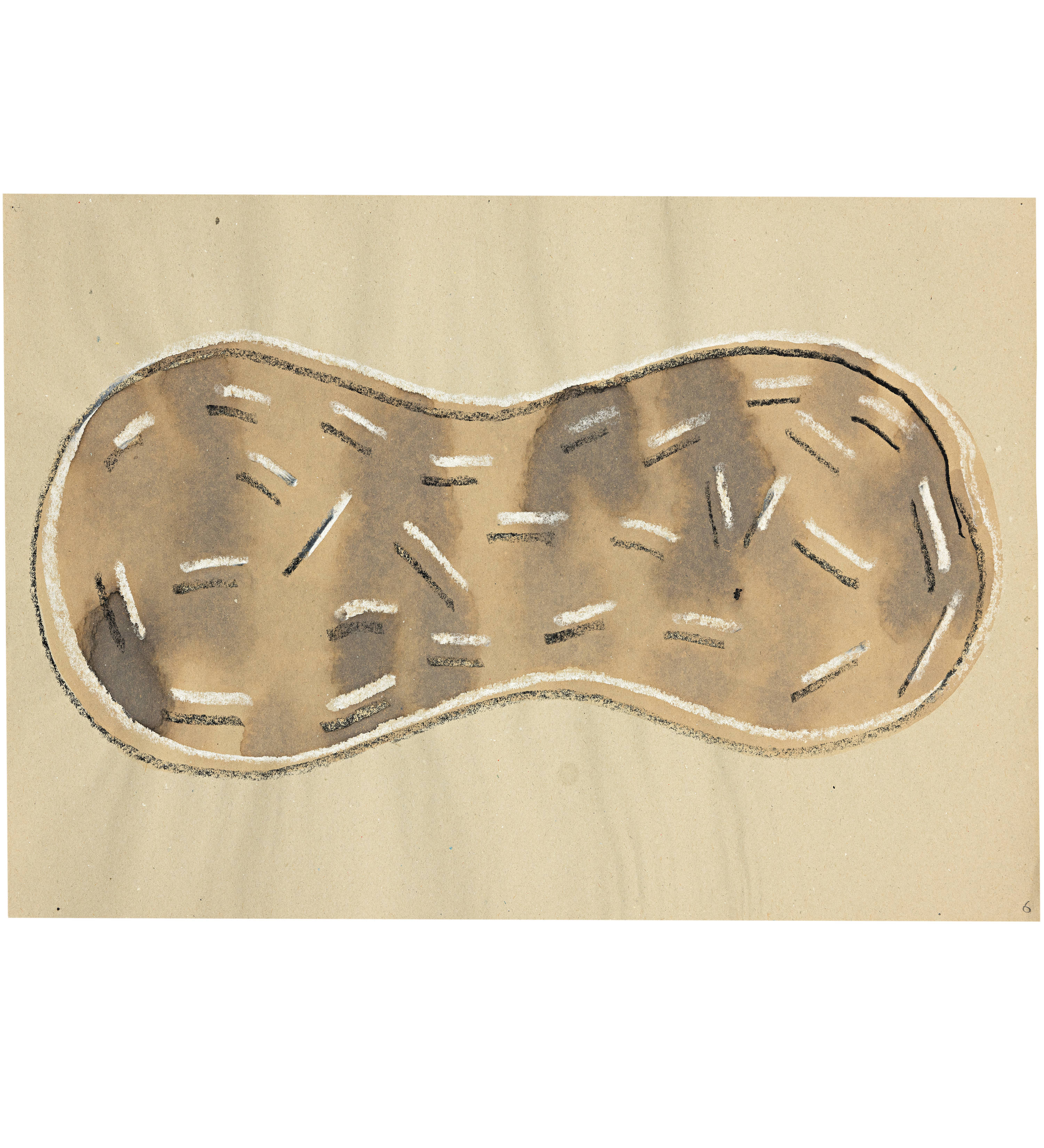
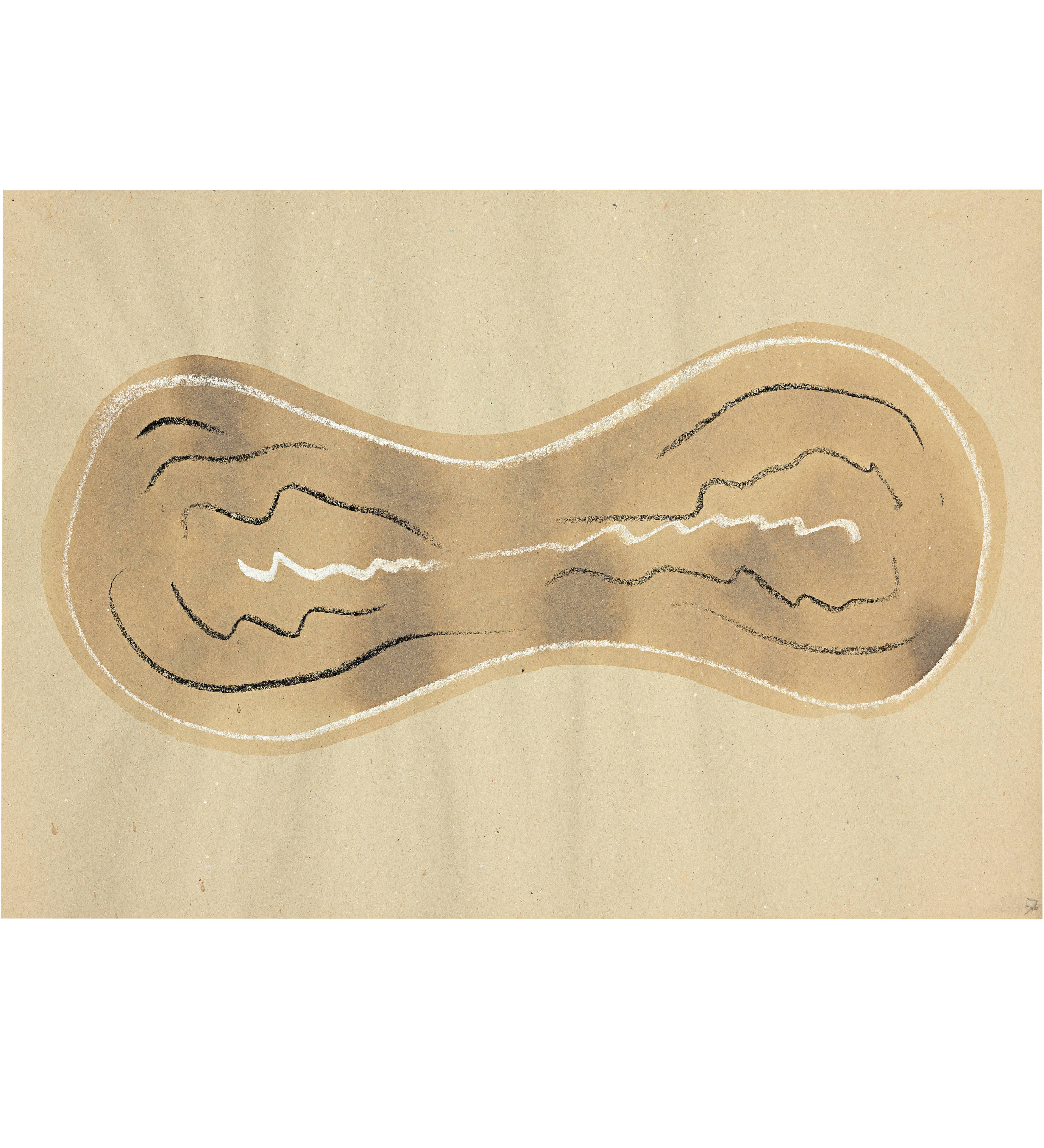
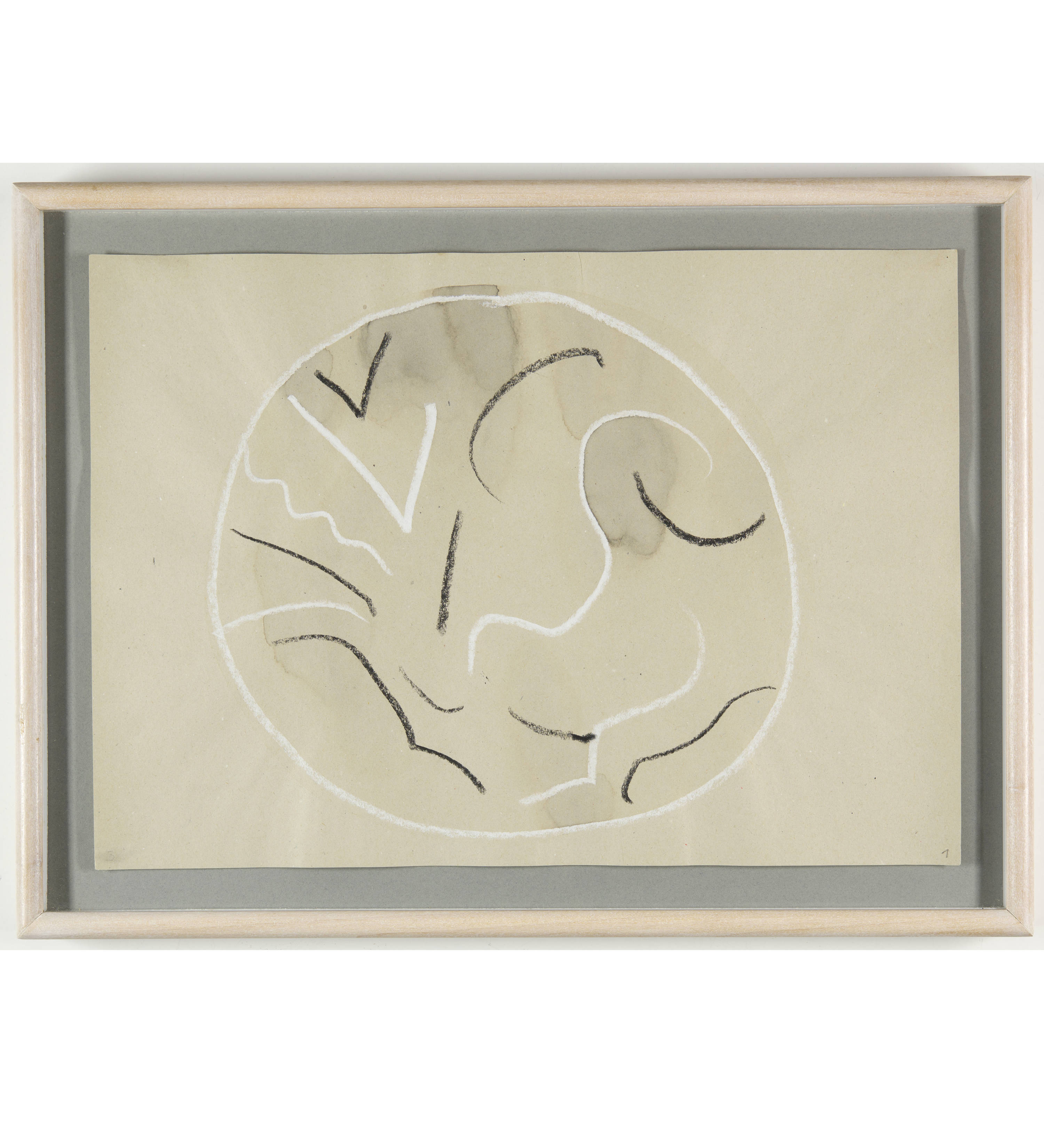
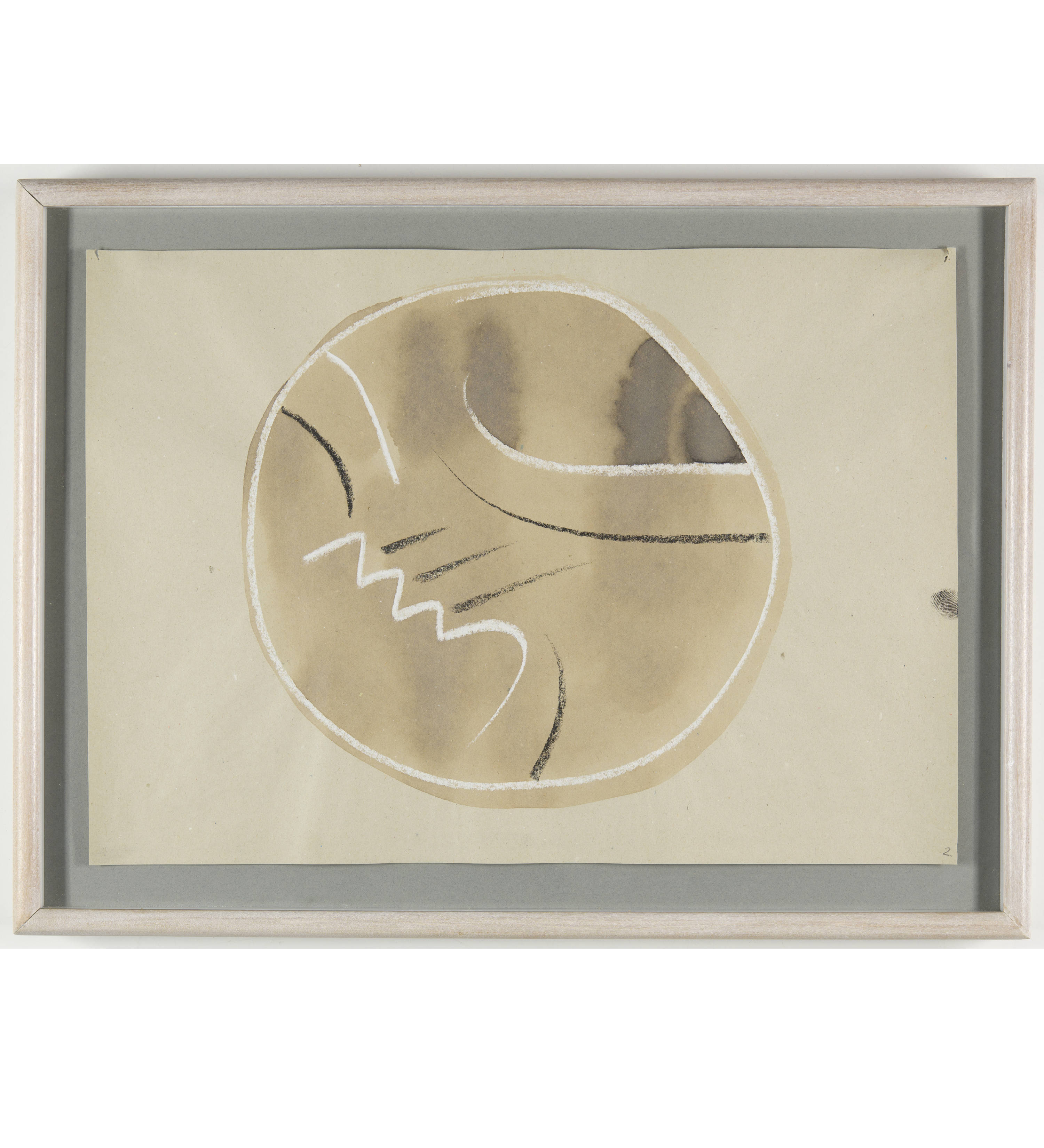
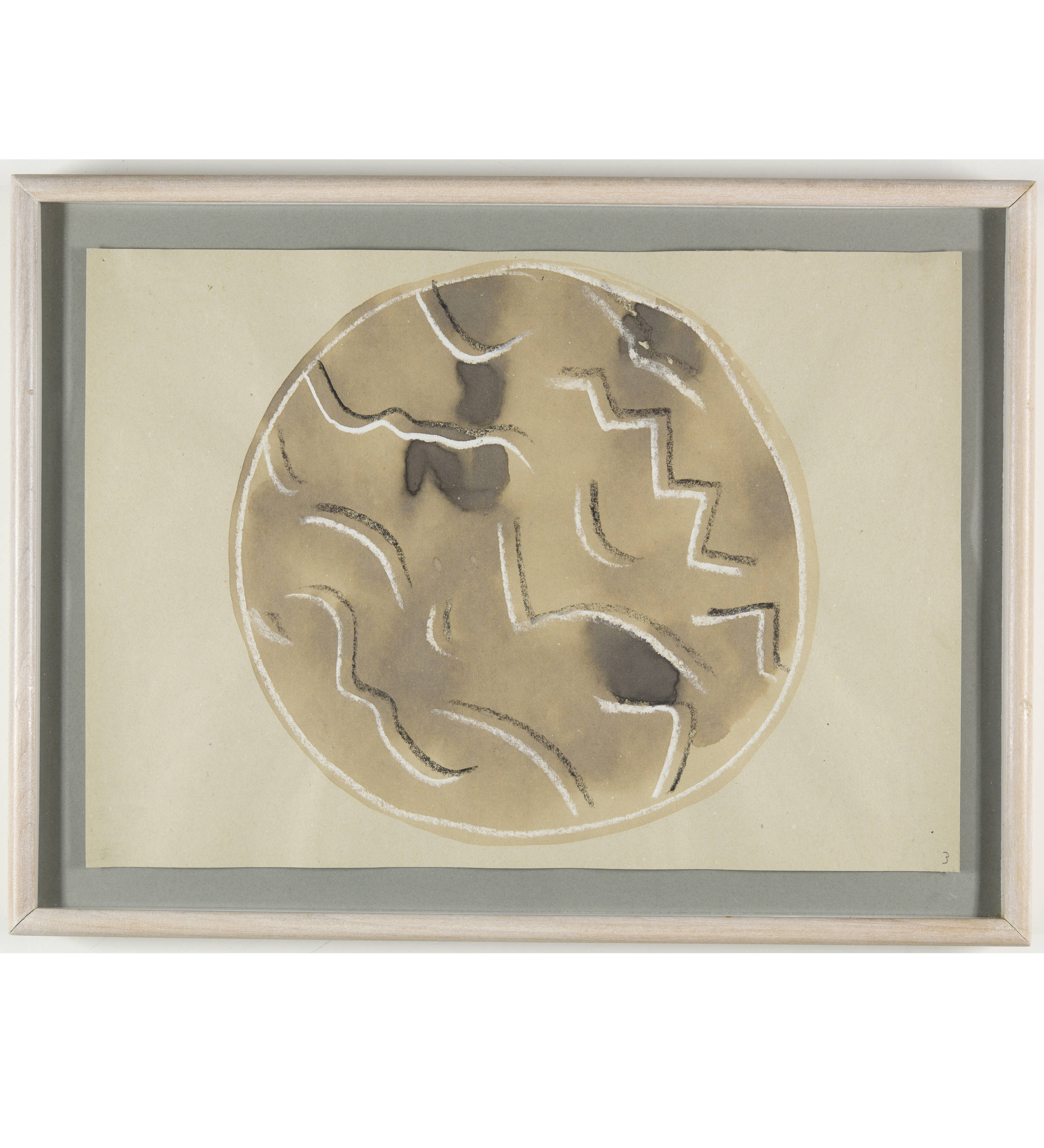
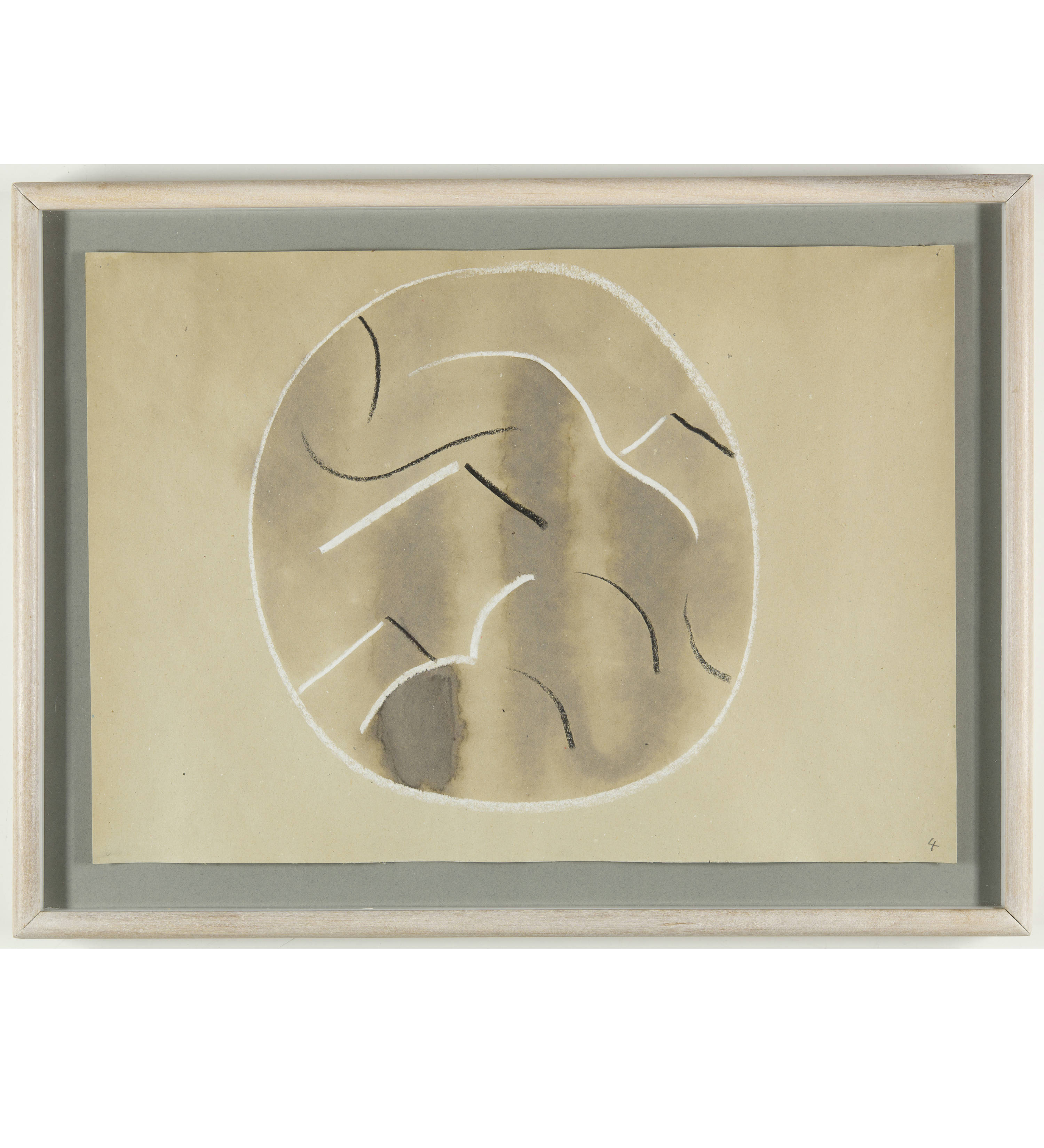
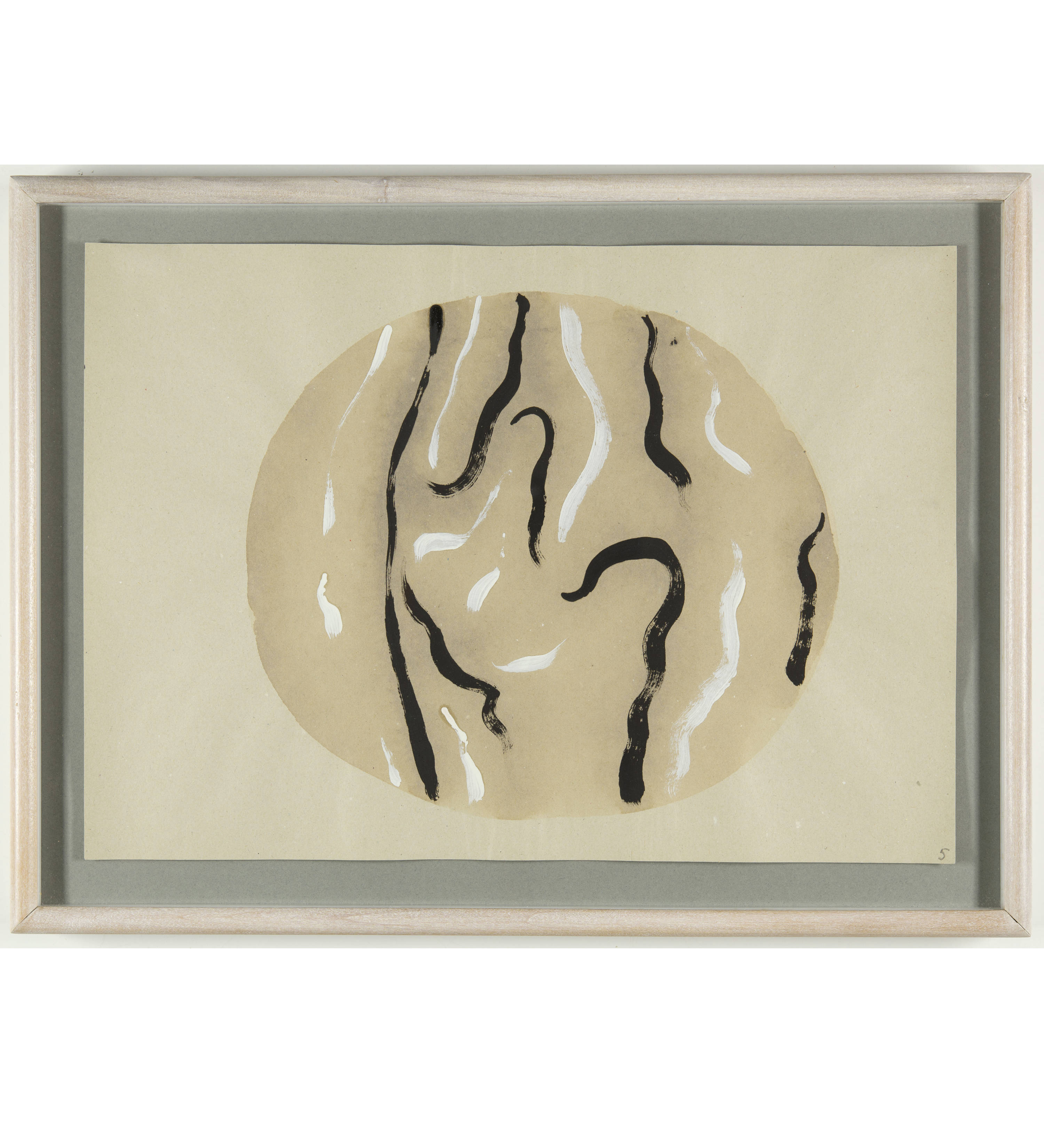
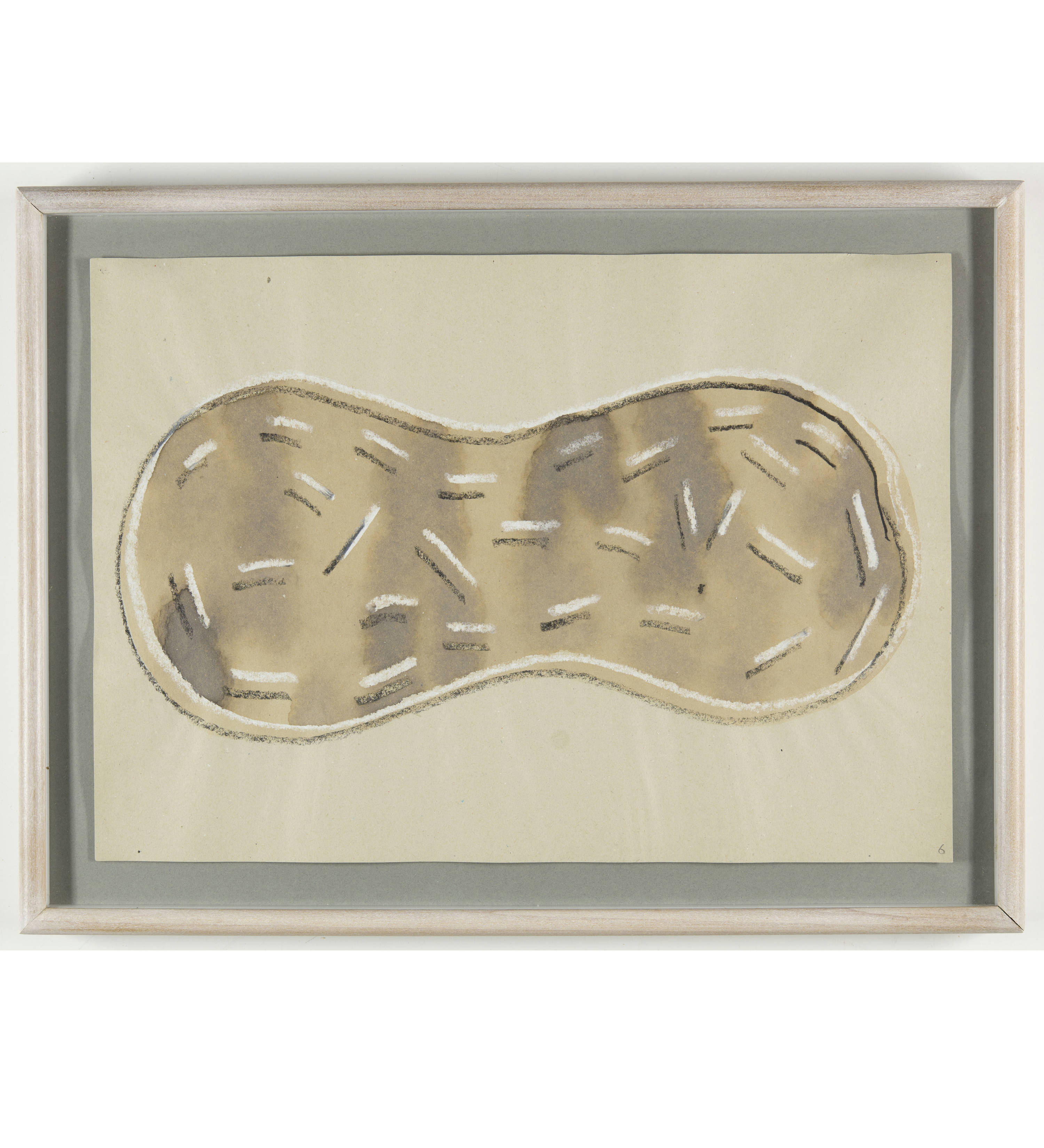
6 in ink and chalk, 1 in ink and oil paint
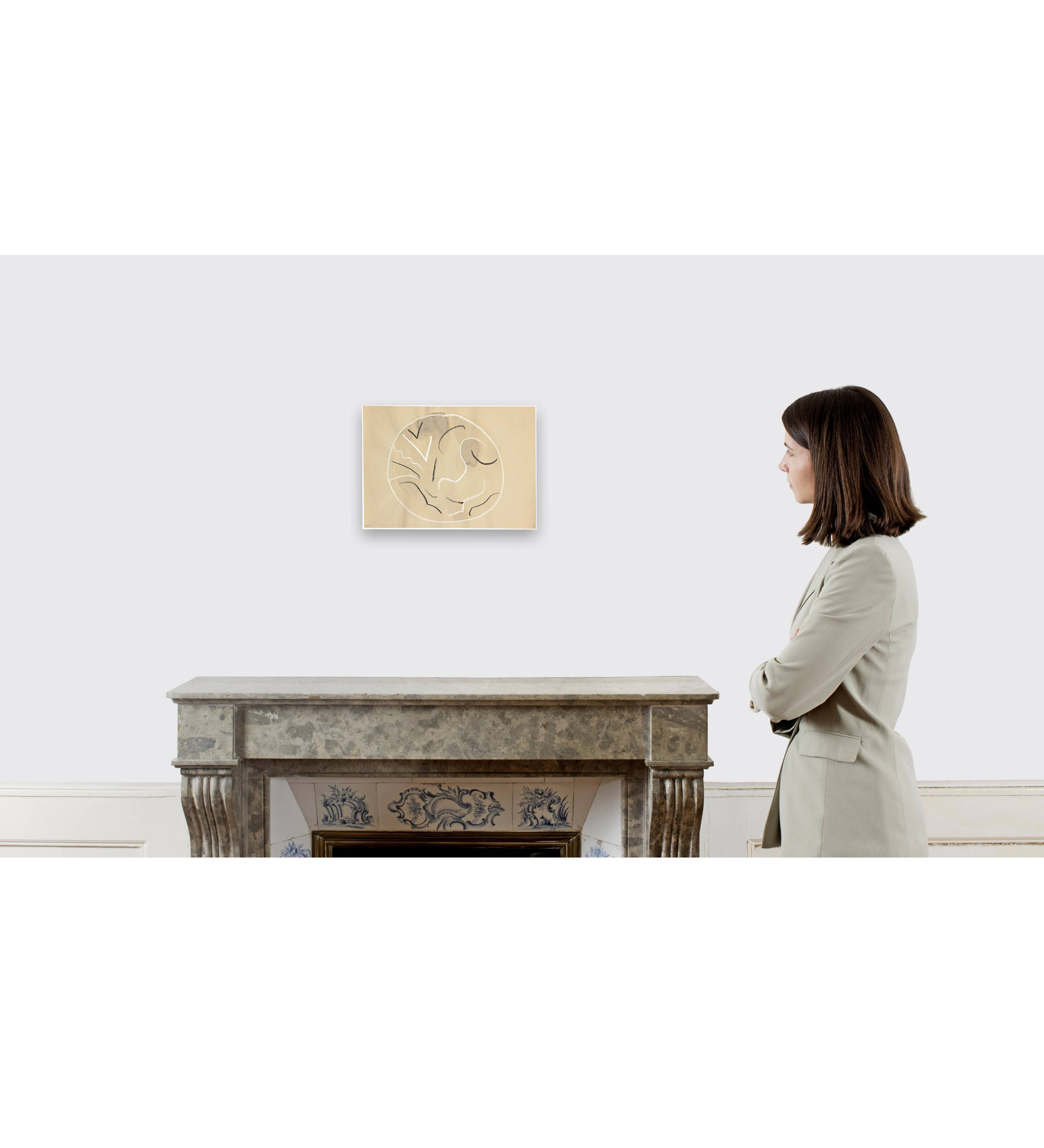
Each 29.7x41.8 cm
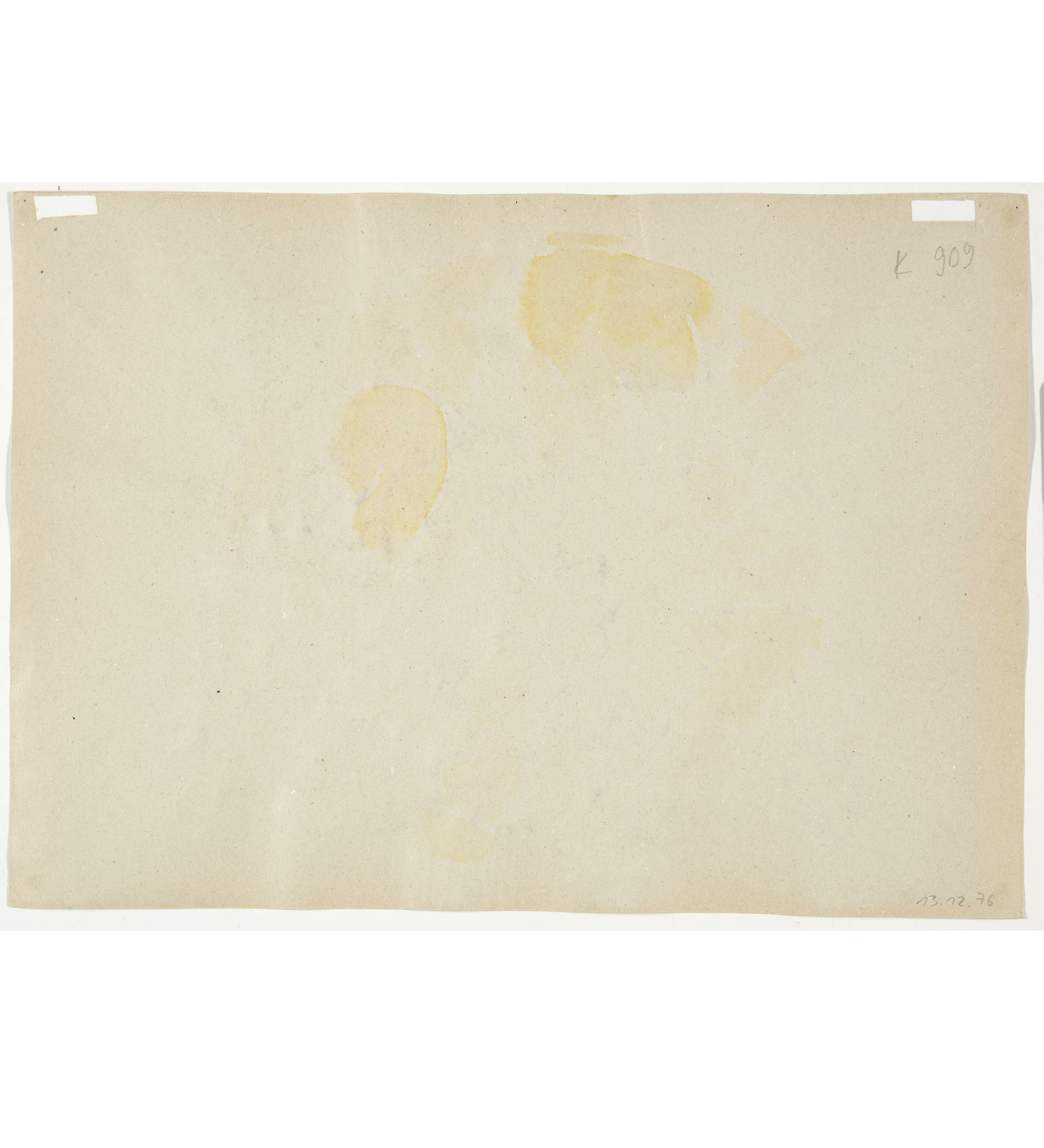
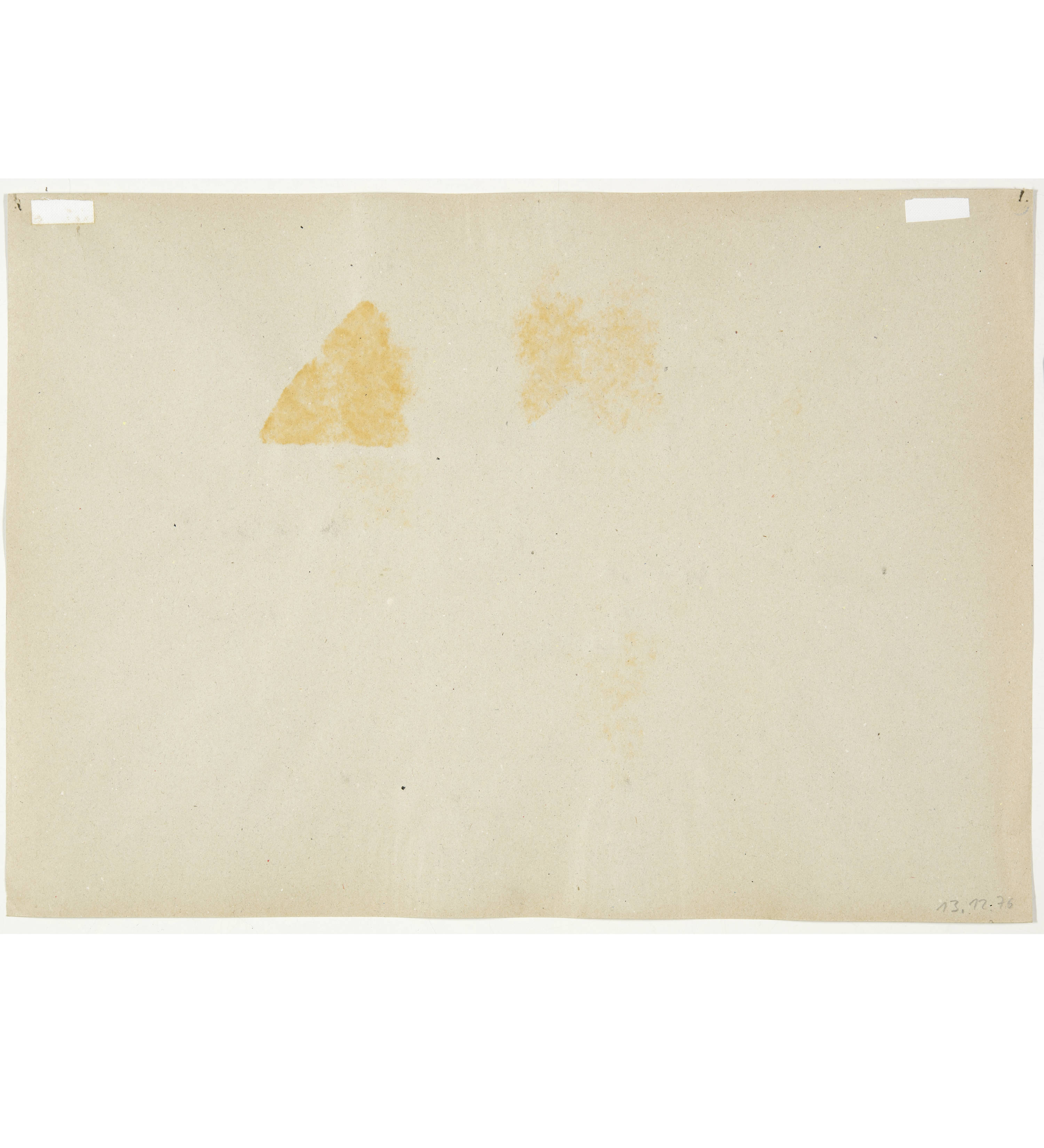
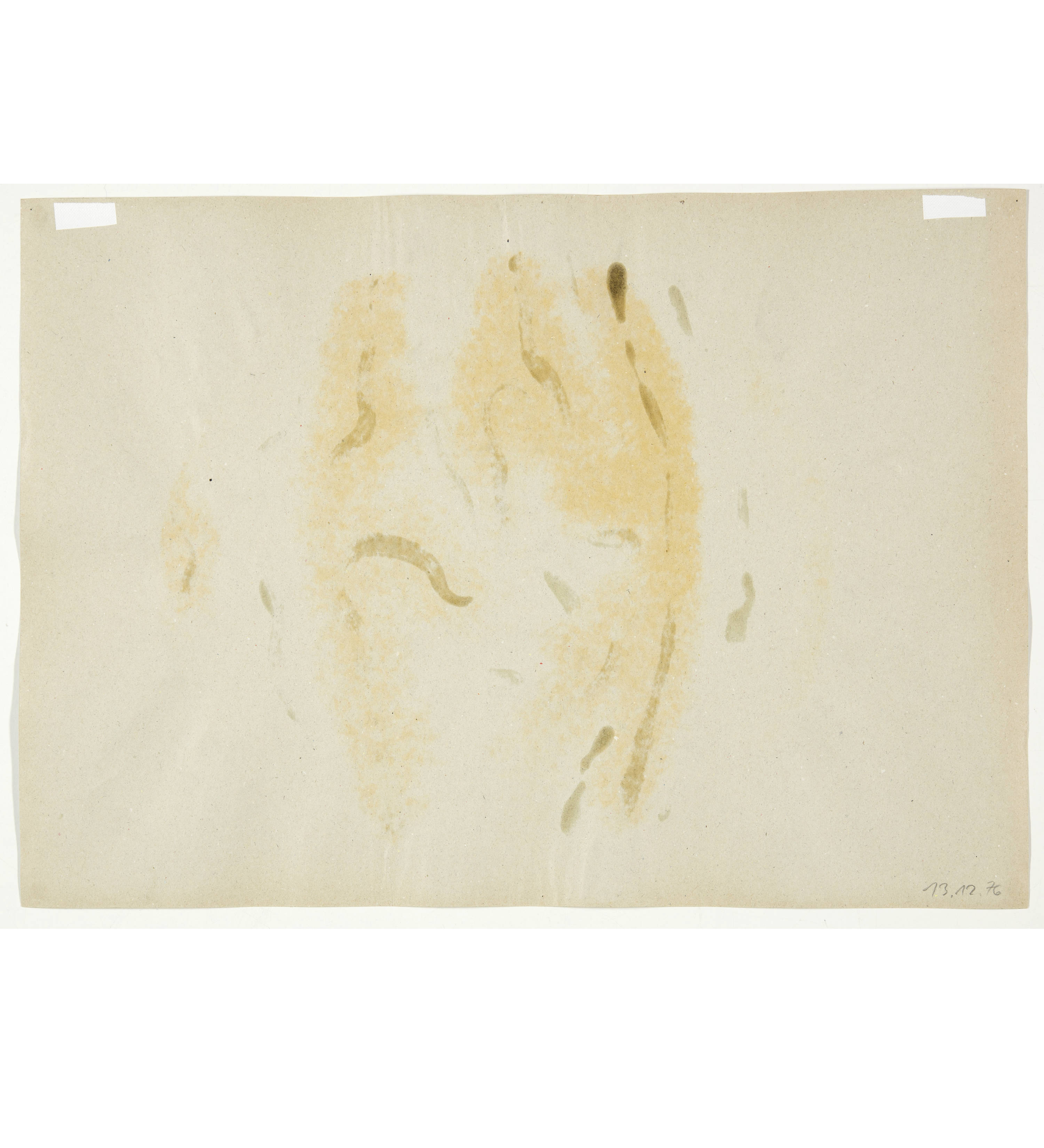
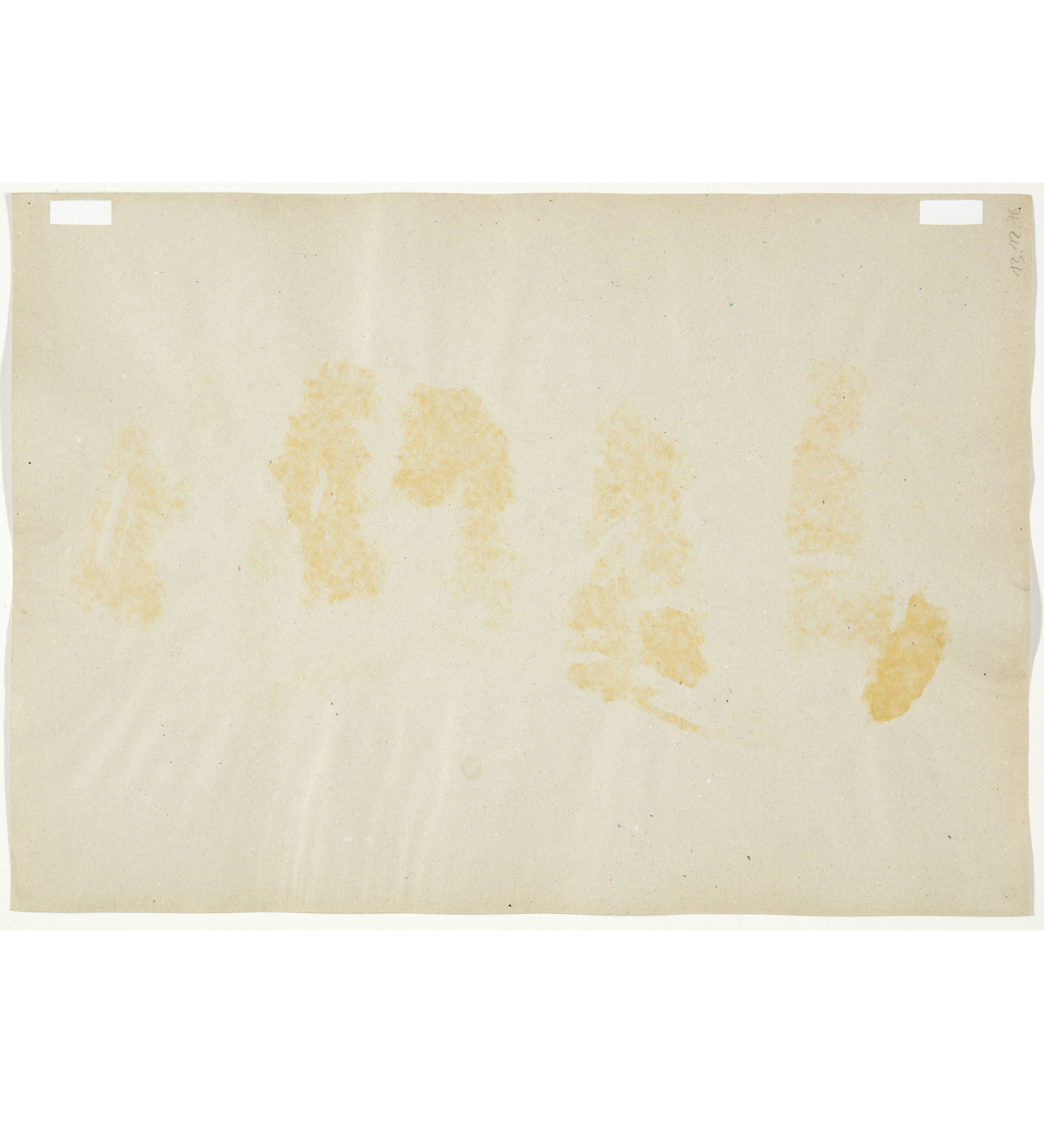
All sheets dated by the artist in pencil on the reverse "13.12.1976", the series numbered from 1 to 7 at lower right
Galerie & Edition Stähli, Zurich, acquired there in 1986 from
Private collection, USA
On greyish paper, slightly wavy, with nail holes in the upper corners, one sheet slightly torn due to the former mounting. Both the ink and the oil paint are bleeding through at the back side. In very nice condition
Markus Raetz's œuvre of drawings is comprehensive, it includes numerous works and only a few can be understood as individual works, most of the drawings are in reference to each other and only gain their meaning as parts of a larger system of reference. Thus, the artist often creates series of drawings which - as in our present example - he assembles into a composition, with a continuous numbering for the sequence of the sheets and the date on which he created them. Five circles, reminiscent of a cell, mutate into oval shapes, as if they were about to divide. The abstract lines and shapes document the ongoing exploration of the motif and place the creative process at the centre of this important early work. The reduced colour palette in black and white and the use of washed ink is typical of works of the time. Significant work that has been in the same private ownership since 1986 and is on the market for the first time
13. Dezember 1976
6 in Tusche und Kreide, 1 in Tusche und Ölfarbe
Je 29,7x41,8 cm
Alle Blätter auf der Rückseite vom Künstler in Bleistift datiert "13.12.1976", die Serie von 1 bis 7 unten rechts durchnummeriert
Galerie & Edition Stähli, Zürich, dort 1986 erworben von
Privatsammlung, USA
Auf gräulichem Papier, dieses leicht wellig, mit Reissnagellöchern in den oberen Ecken, ein Blatt durch die frühere Montierung leicht ausgerissen. Sowohl die Tusche als auch die Ölfarbe schlagen rückseitig stellenweise durch. Insgesamt in sehr schöner Erhaltung
Das zeichnerische Œuvre von Markus Raetz ist umfassend, es beinhaltet zahlreiche Arbeiten und nur wenige lassen sich als Einzelwerke erschliessen, die meisten Zeichnungen stehen in Referenz zueinander und gewinnen überhaupt erst als Teile eines grösseren Bezugsystems ihre Bedeutung. So entstehen häufig Serien von Zeichnungen, die der Künstler – wie in unserem vorliegenden Beispiel – zu einer Komposition zusammenfügt, mit einer durchlaufenden Nummerierung für die Abfolge der Blätter und dem Datum, an dem er daran geschaffen hat. Fünf Kreise, die an eine Zelle erinnern, mutieren zu ovalen Formen, als ob diese kurz vor der Zellteilung stünden. Die abstrakten Linien und Formen dokumentieren die fortlaufende Erforschung des Motivs und rücken den Schaffensprozess in den Mittelpunkt dieser bedeutenden, frühen Arbeit. Die reduzierte Farbpalette in Schwarz und Weiss und der Einsatz von lavierter Tusche ist typisch für Arbeiten der Zeit. Bedeutendes Werk, das seit 1986 im selben Privatbesitz ist und erstmals auf den Markt kommt