- EN


 Log in
-
- Live Auctions
- Past auctions
- More
- Kornfeld today
- The Story of Kornfeld
- Information









Brühl 1891 - 1976 Paris


circa 1933
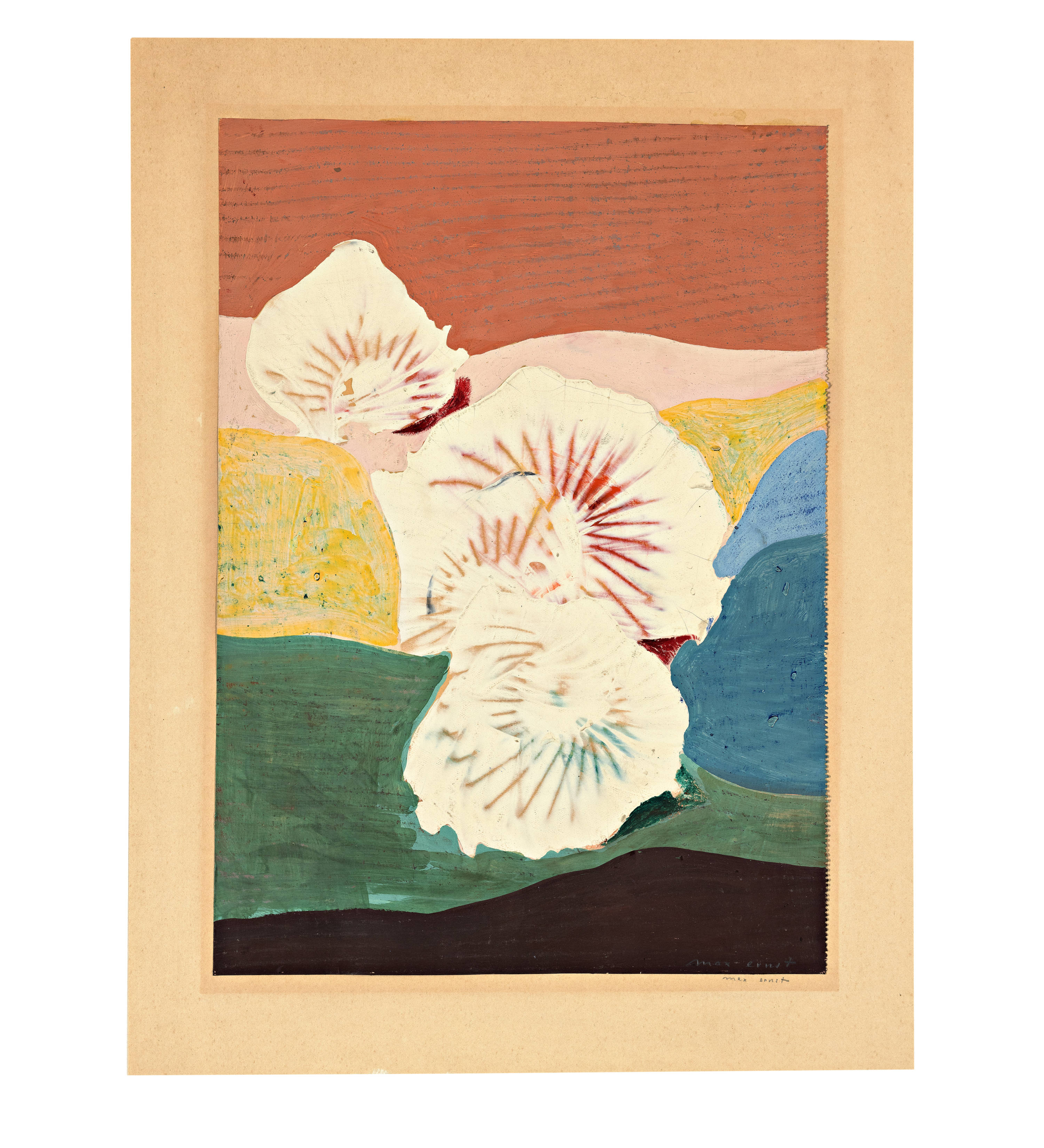
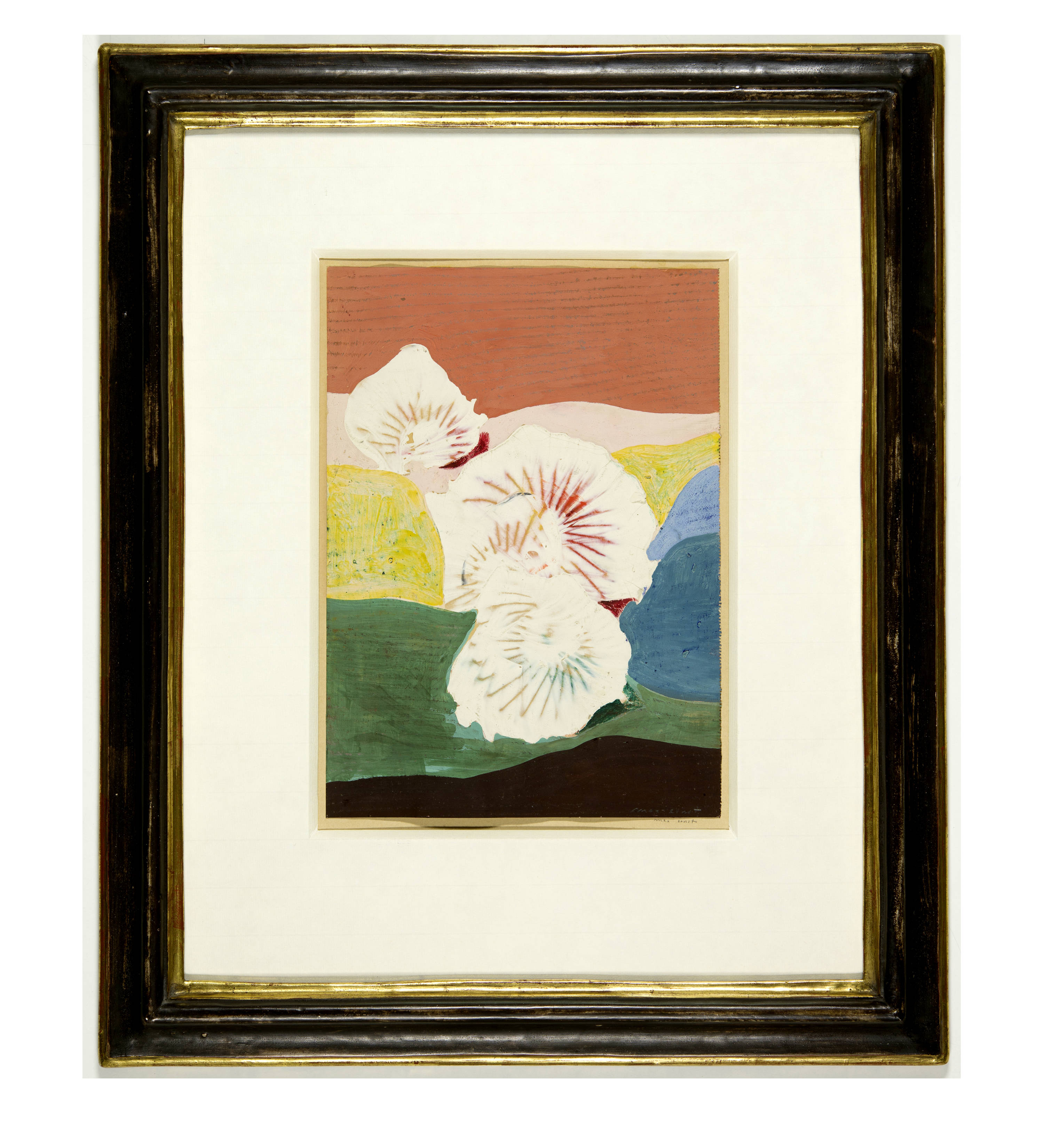
Gouache and oil paint on paper, laid down on cardboard
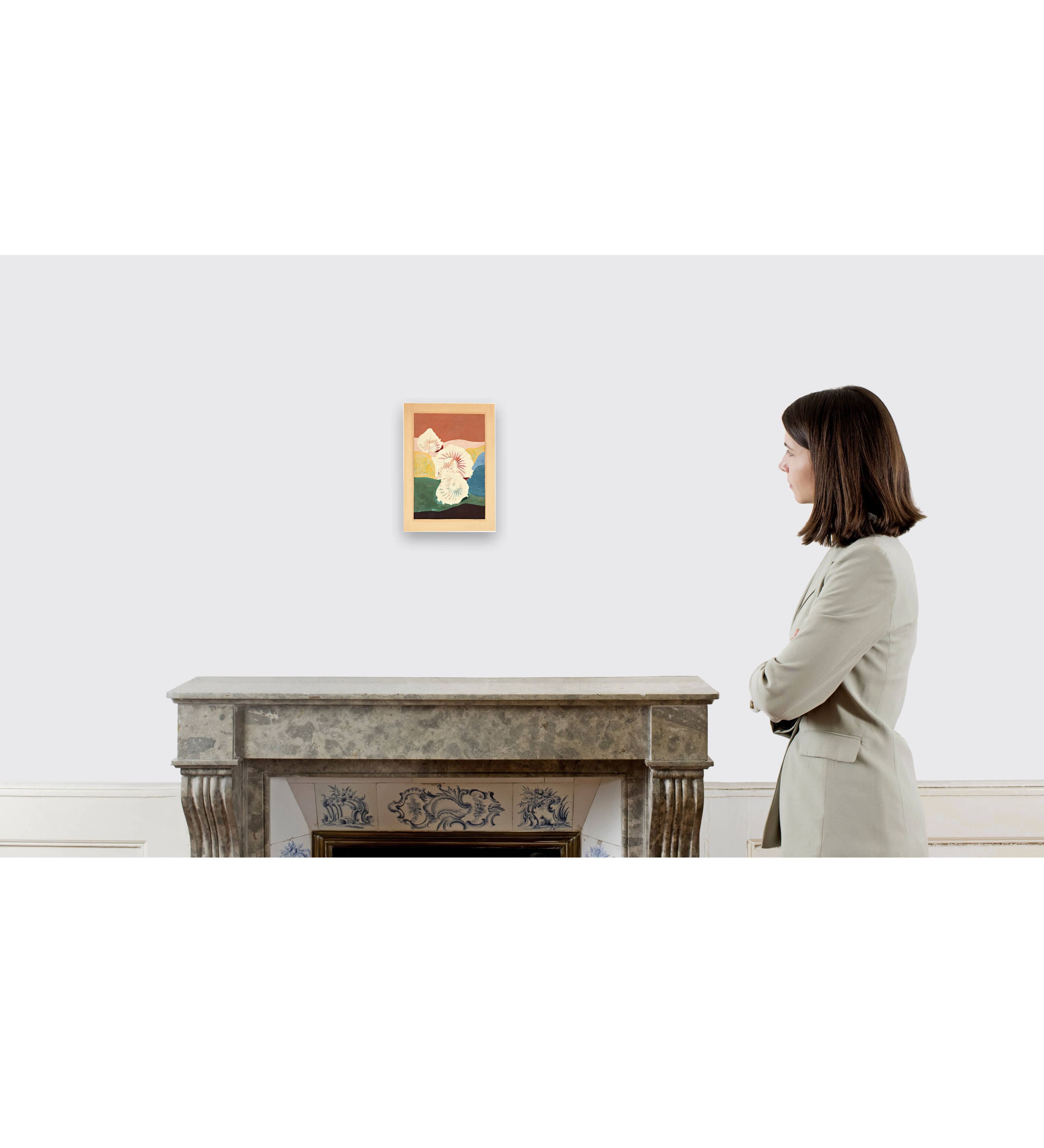
30.9x22.1 cm
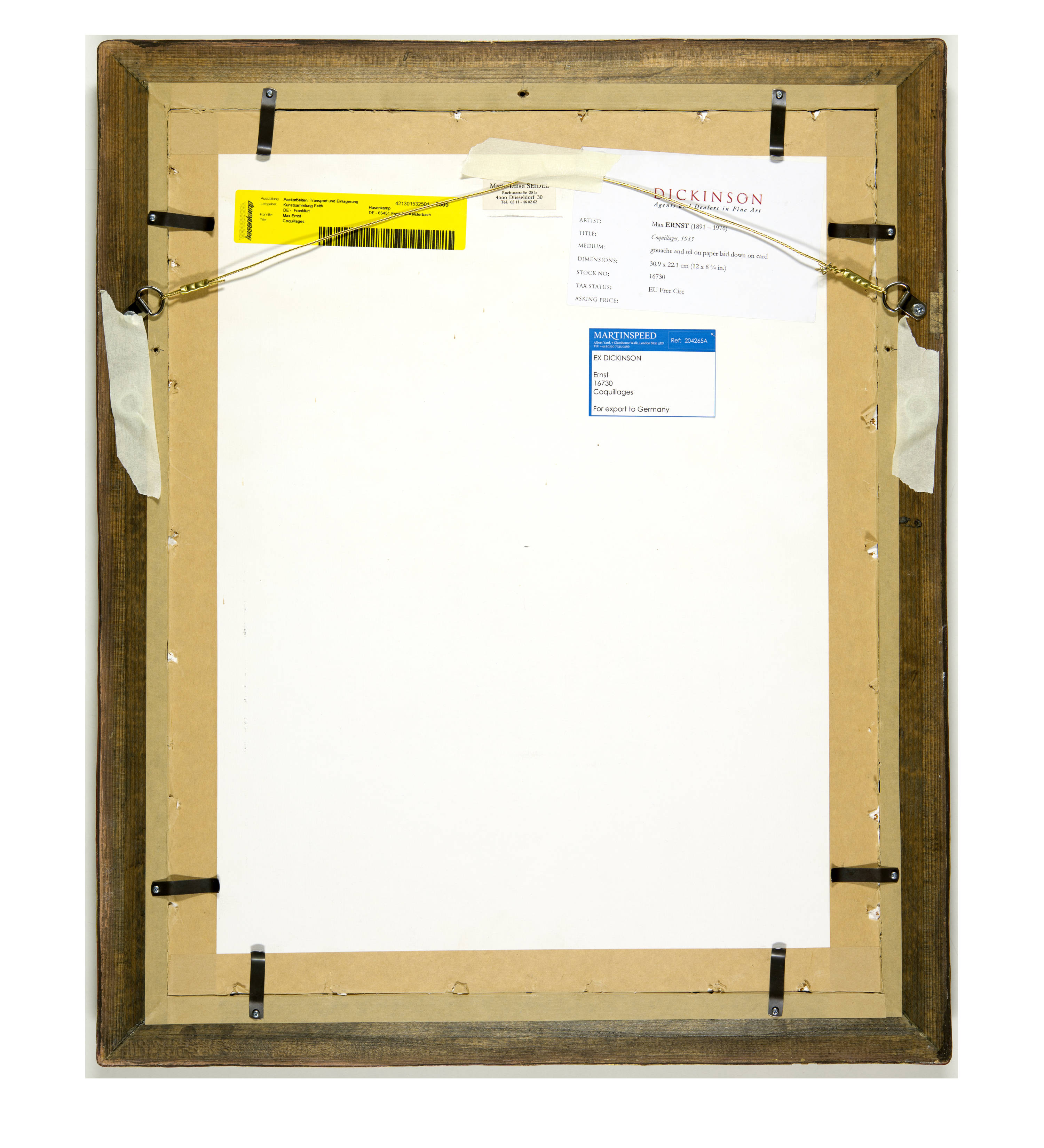
Signed by the artist in pencil "Max Ernst" at the bottom right of the sheet and a second time at the bottom right on the backing board
Expertise by Dr. Jürgen Pech, dated 8 February 2015, is available as copy
Mayor Gallery, London (1947)
Collection Ralph Keene, London
Coll. R.A. Brooks-Keene, Esq.
Auction Sotheby's, London, 31 March 1982, lot 236, acquired there by
Dr. Ewald Rathke, Frankfurt am Main, acquired there from
Coll. Dr. Hans Feith, Frankfurt am Main, from there to
Dr Hans and Dr Elisabeth Feith Foundation, Frankfurt am Main
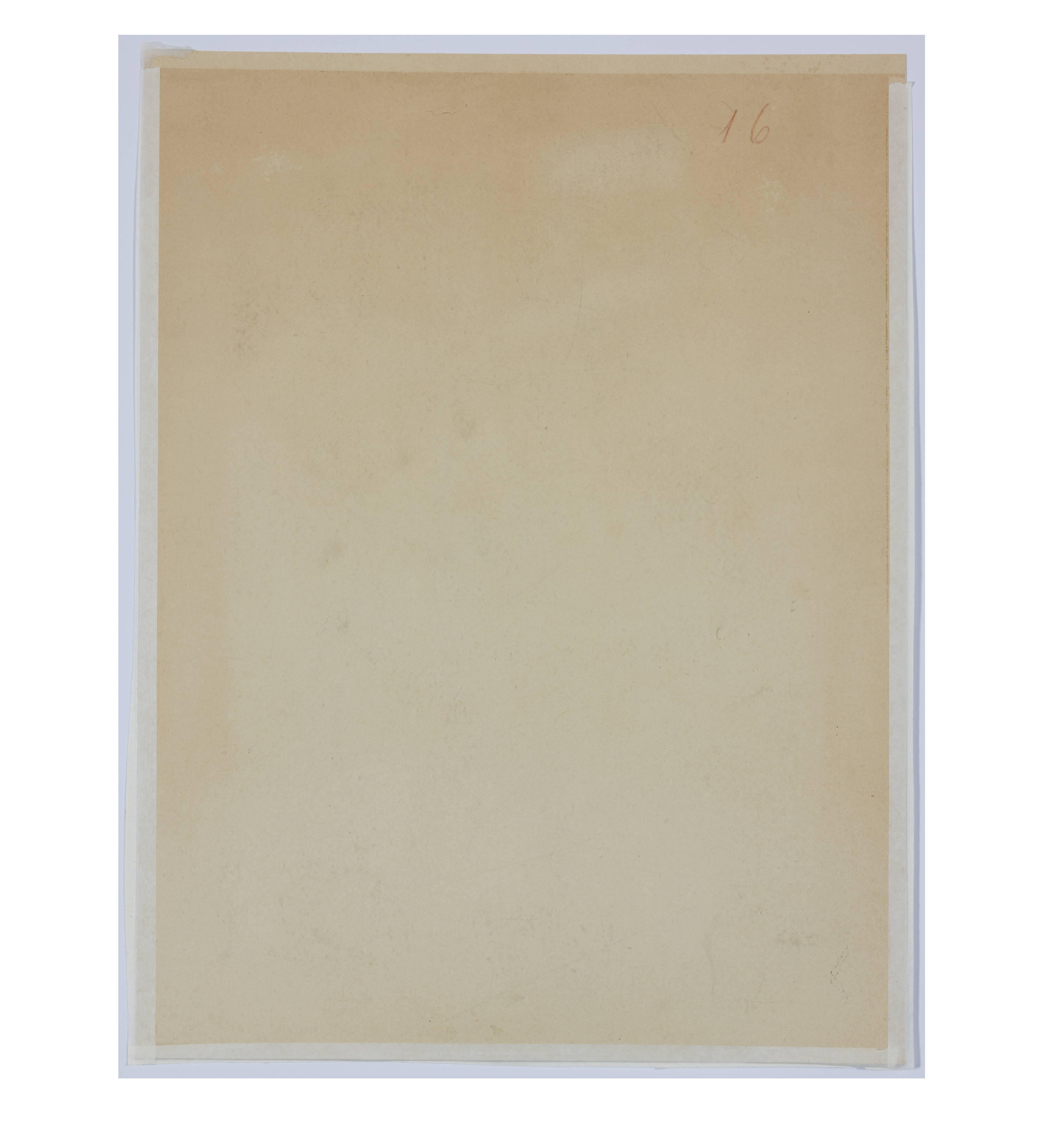
The box slightly browned and with lightstruck. The colours absolutely fresh, in very good overall condition
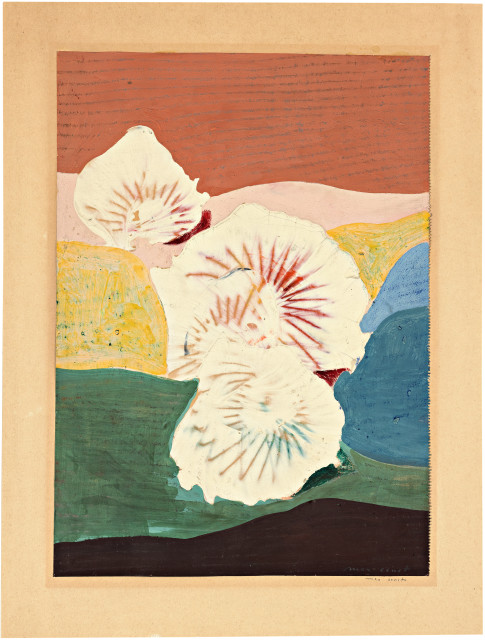
Always interested in new possibilities of artistic processes, Max Ernst developed a scraping technique at the end of the 1920s in which he removed layers of impasto paint with palette knives. This resulted in more or less transparent vistas. By scraping away, he was also able to form the zoomorphic or botanical shapes typical of the period, which he then worked on further in a subsequent step.
The works created during this short but fruitful period repeatedly bear the title "Coquillage" or also "Fleur, coquille", which could be translated roughly as "shell flower". They are shapes that suggest shells, flowers or crystalline formations. These invented forms have no real physical identity of their own and oscillate between animal, vegetable and mineral structures. Embedded in colour fields, the result is a peculiar depth effect; one could almost read the works as abstracted landscapes or mysterious underwater worlds. In any case, Ernst creates an exciting and new moment of contemplation that tips over into the surreal
Um 1933
Gouache und Ölfarbe auf Papier, auf Karton aufgelegt
30,9x22,1 cm
Unten rechts auf dem Blatt und ein zweites Mal unten rechts auf dem Unterlagekarton vom Künstler in Bleistift signiert "Max Ernst"
Expertise von Dr. Jürgen Pech, datiert vom 8. Februar 2015, liegt in Kopie vor
Mayor Gallery, London (1947)
Slg. Ralph Keene, London
Slg. R.A. Brooks-Keene, Esq.
Auktion Sotheby's, London, 31. März 1982, Los 236, dort erworben von
Dr. Ewald Rathke, Frankfurt am Main, dort erworben von
Slg. Dr. Hans Feith, Frankfurt am Main, von dort an
Dr. Hans und Dr. Elisabeth Feith-Stiftung, Frankfurt am Main
Der Karton leicht gebräunt und mit Lichtrand. Die Farben absolut frisch, in sehr guter Gesamterhaltung
Immer an neuen Möglichkeiten künstlerischer Prozesse interessiert, entwickelte Max Ernst Ende der 1920er Jahre eine Schabtechnik, bei welcher er schichtweise pastos aufgetragene Farbflächen mit Spachteln wieder entfernte. So ergeben sich mehr oder weniger transparente Durchblicke. Mit dem Wegschaben konnte er auch die aus dieser Zeit typischen, zoomorphen oder botanischen Formen bilden, die er dann in einem nächsten Arbeitsschritt weiterbearbeitete
Die Werke, die in dieser kurzen, aber fruchtbaren Periode entstehen, tragen immer wieder den Titel "Coquillage" oder auch "Fleur, coquille", was etwa mit "Muschelblume" übersetzt werden könnte. Es sind Formen, die auf Muscheln, Blumen oder kristalline Formationen hindeuten. Diese erfundenen Formen haben keine eigene und reelle, physische Identität und oszillieren zwischen tierischen, pflanzlichen und mineralischen Strukturen. Eingebettet in Farbfelder ergibt sich eine eigenartige Tiefenwirkung, fast könnte man die Arbeiten auch als abstrahierte Landschaften oder geheimnisvolle Unterwasserwelten lesen. Auf alle Fälle schafft Ernst ein spannendes und neues, ins Surreale kippendes Moment der Betrachtung