- EN


 Log in
-
- Live Auctions
- Past auctions
- More
- Kornfeld today
- The Story of Kornfeld
- Information


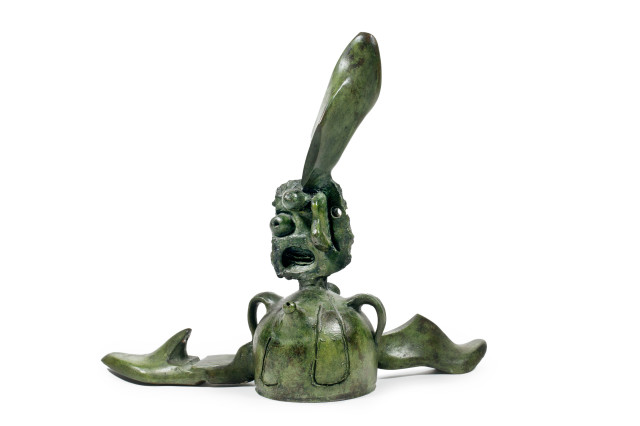







Barcelona 1893 - 1983 Mallorca


1972
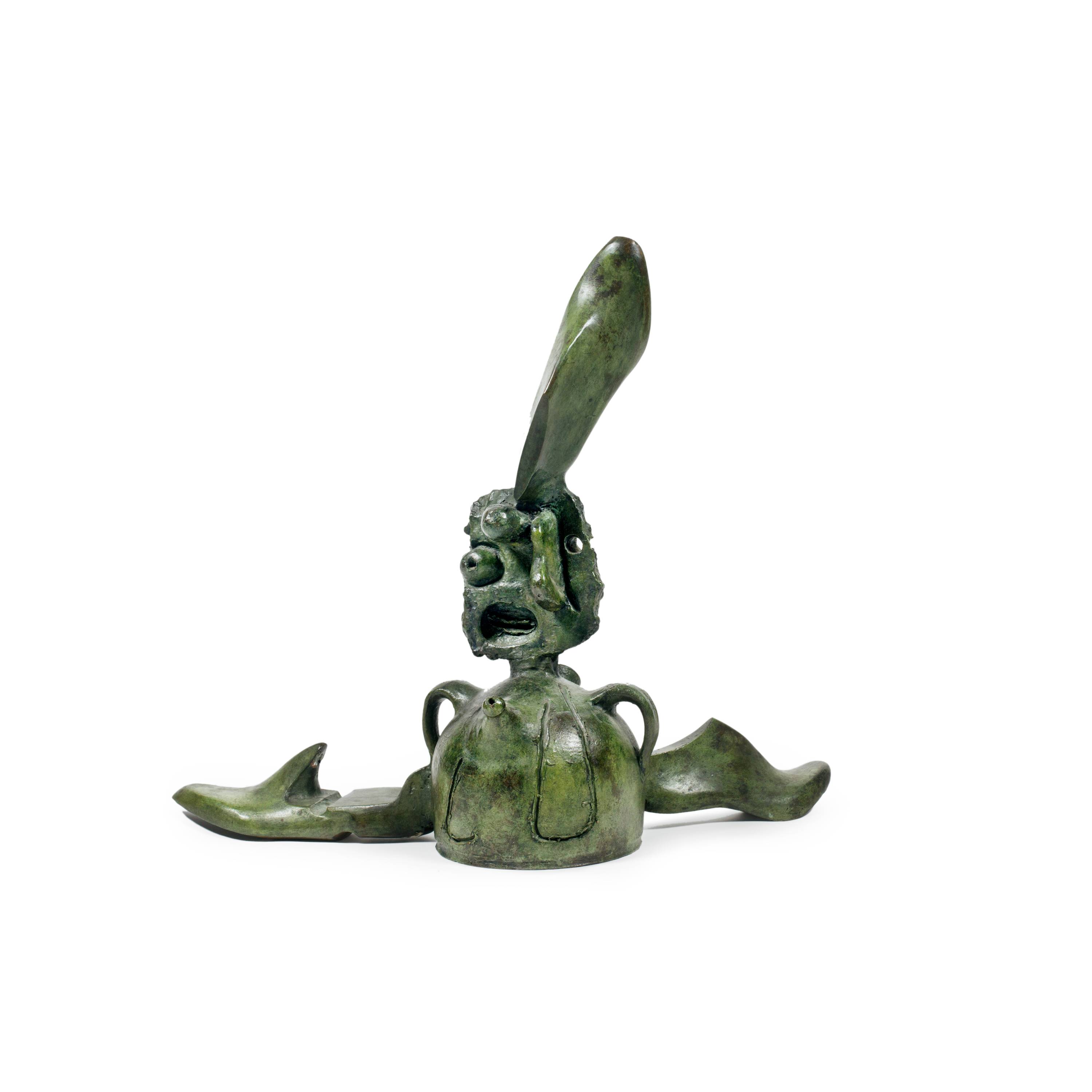
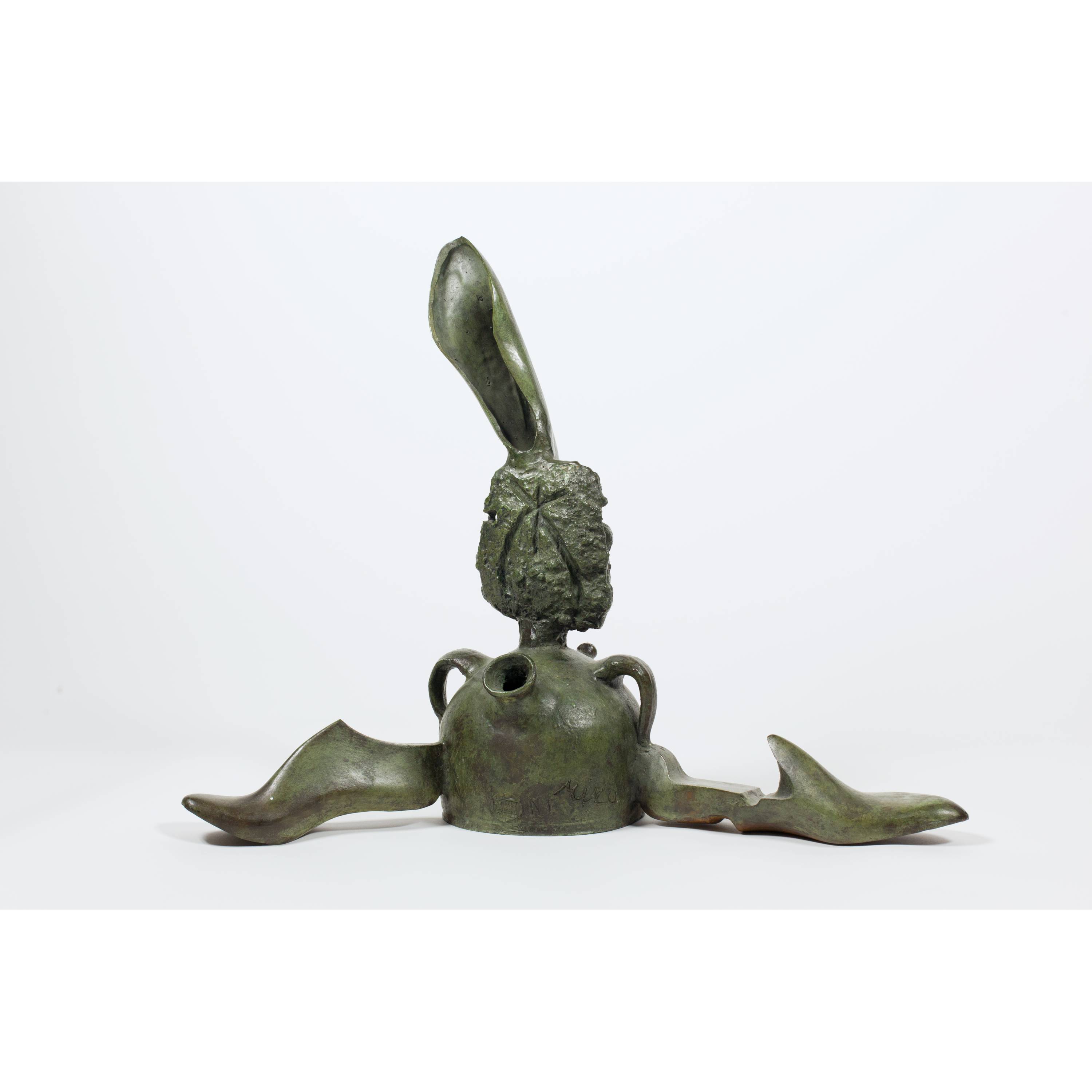
Bronze
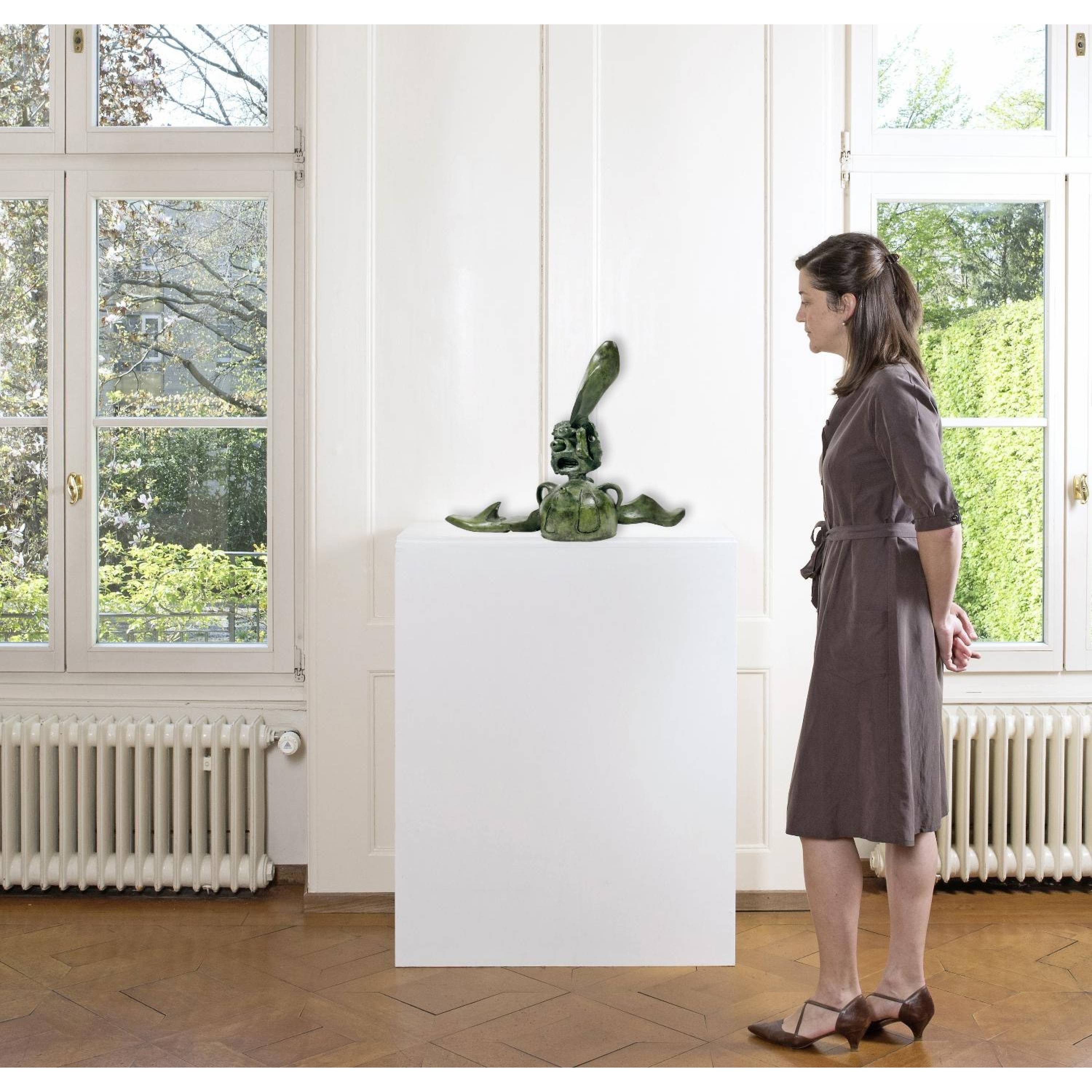
51,5x64,5x21 cm
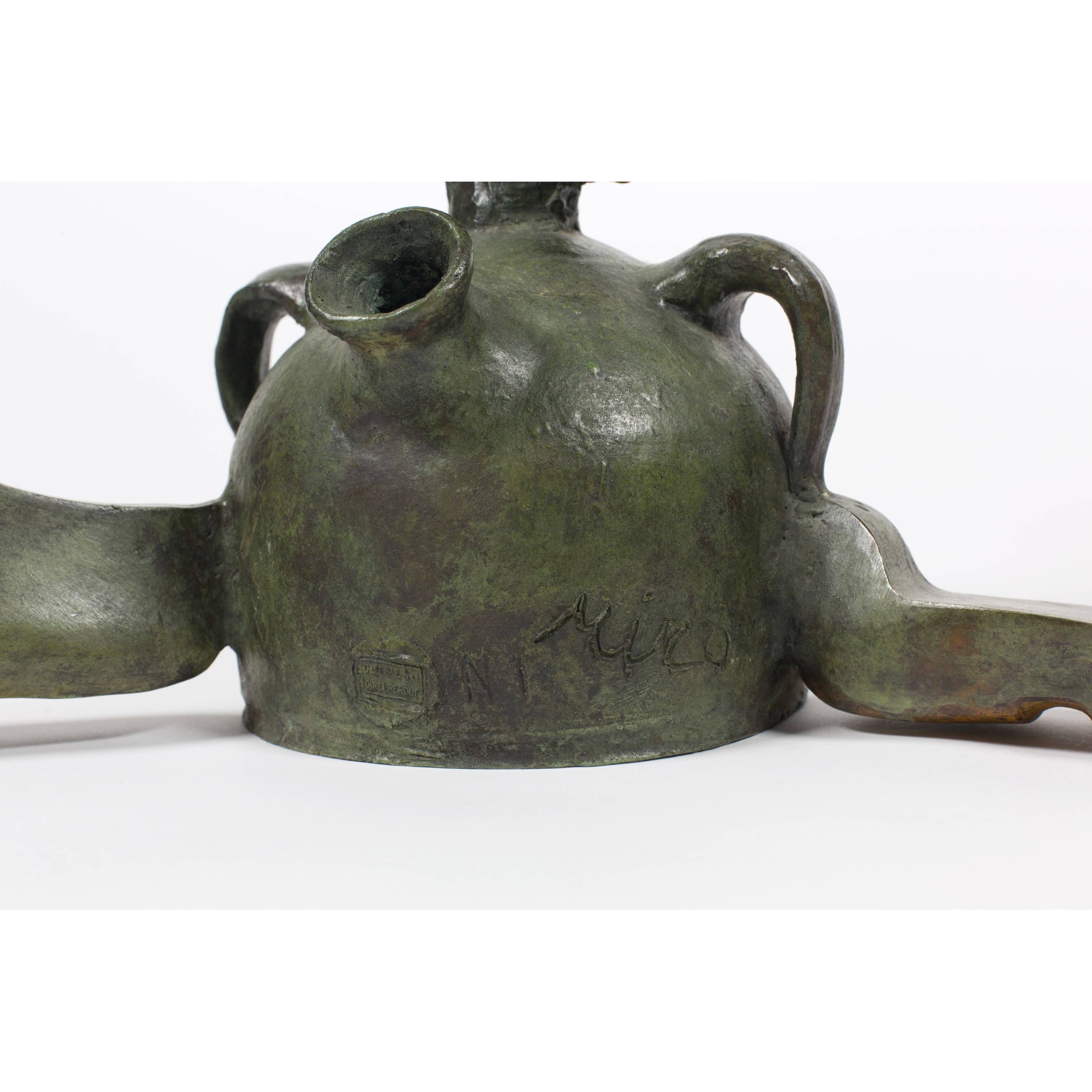
On the reverse with the incised signature "Miró", the numbering "N1" and the foundry stamp "CLEMENTI / CIRE PERDUE"
Emilio Fernandez Miró/Pilar Ortega Chapel, Joan Miró, Sculptures, Catalogue Raisonné 1928-1982, Paris 2006, cat. no. 282, pag. 270, reprod.
Gallery Adrien Maeght, Paris
The Pace Gallery, New York, acquired there in 1985 from
Collection Michael Ovitz, Beverly Hills
Christie's Auction, New York, 7.11.2002, cat. no. 338, there acquired by
Keny Galleries, Columbus; acquired there in 2012 by
International private collection
Saint-Paul-de-Vence 1973, Fondation Maeght, cat. no. 150, pag. 87, reprod.
Paris, Musée d'Art Moderne 1978, cat. no. 81, pag. 71, reprod.
Saint-Paul-de-Vence 1979, Fondation Maeght, cat. no. 270, pag. 188
Saint-Paul-de-Vence 1984, Fondation Maeght, cat. no. 200, pag. 38
New York 1984, The Pace Gallery, Miró Sculpture, pag. 28, reprod.
Florence 1999, Palazzo Strozzi, Joan Mirò, le metamorfosi della forma, pag. 131, reprod.
Saint-Paul-de-Vence 2001, Fondation Maeght, cat. no. 131, pag. 82, reprod. in colours
Very beautiful casting with green-brown patina
Miró often worked with materials found on walks or in the house ("objets trouvés") and assembled them into sculptures, which he then had cast in bronze. The sculptural oeuvre became increasingly important for the artist towards the end of his life. At the age of 81, Miró is said to have mentioned to his friend Alexander Calder: "I am an established painter, but a young sculptor." A very beautiful and witty "Composition" with shoe lasts and a water jug. Only three numbered and signed casts of the sculpture were made
1972
Bronze
51,5x64,5x21 cm
Auf der Rückseite mit der Ritzsignatur "Miró", der Nummerierung "N1" und dem Giesserstempel "CLEMENTI / CIRE PERDUE"
Emilio Fernandez Miró/Pilar Ortega Chapel, Joan Miró, Sculptures, Catalogue Raisonné 1928-1982, Paris 2006,
Galerie Adrien Maeght, Paris
The Pace Gallery, New York, dort 1985 erworben von
Slg. Michael Ovitz, Beverly Hills
Auktion Christie's, New York, 7.11.2002,
Keny Galleries, Columbus; dort 2012 erworben von
Internationale Privatsammlung
Saint-Paul-de-Vence 1973, Fondation Maeght,
Paris, Musée d'Art Moderne 1978,
Saint-Paul-de-Vence 1979, Fondation Maeght,
Saint-Paul-de-Vence 1984, Fondation Maeght,
New York 1984, The Pace Gallery, Miró Sculpture, pag. 28, reprod.
Florence 1999, Palazzo Strozzi, Joan Mirò, le metamorfosi della forma, pag. 131, reprod.
Saint-Paul-de-Vence 2001, Fondation Maeght,
Sehr schöner Guss mit grün-brauner Patina
Miró arbeitete häufig mit auf Spaziergängen oder im Haus gefundenen Materialien ("objets trouvés") und setzte sie zu Plastiken zusammen, die er danach in Bronze giessen liess. Das plastische Œuvre wurde für den Künstler gegen sein Lebensende hin immer wichtiger. Mit 81 Jahren soll Miró gegenüber seinem Freund Alexander Calder erwähnt haben: "Ich bin ein etablierter Maler, aber ein junger Bildhauer." Eine sehr schöne und witzige "Composition" mit Schuhleisten und einem Wasserkrug. Von der Plastik wurden nur drei nummerierte und signierte Güsse hergestellt