- EN


 Log in
-
- Live Auctions
- Past auctions
- More
- Kornfeld today
- The Story of Kornfeld
- Information









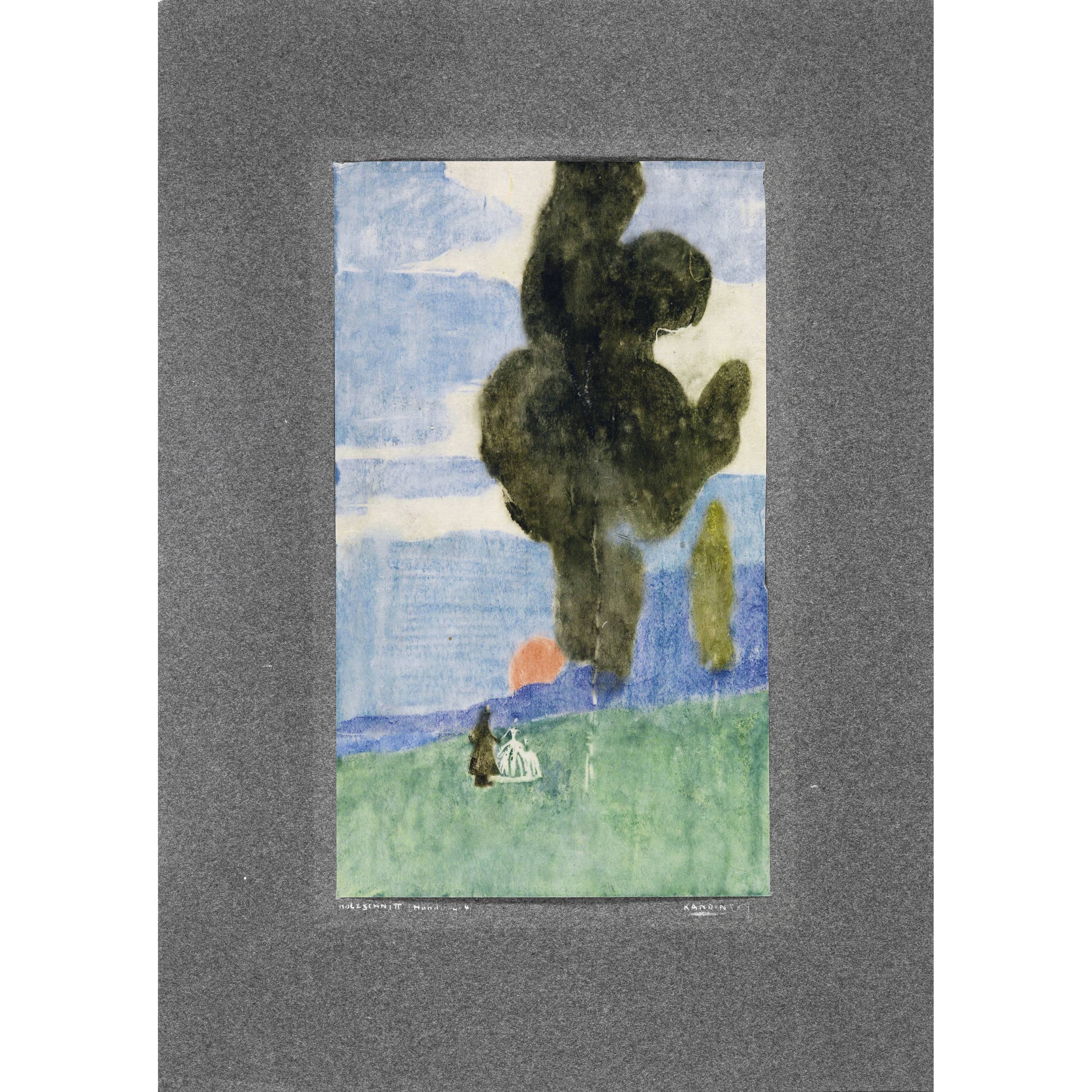
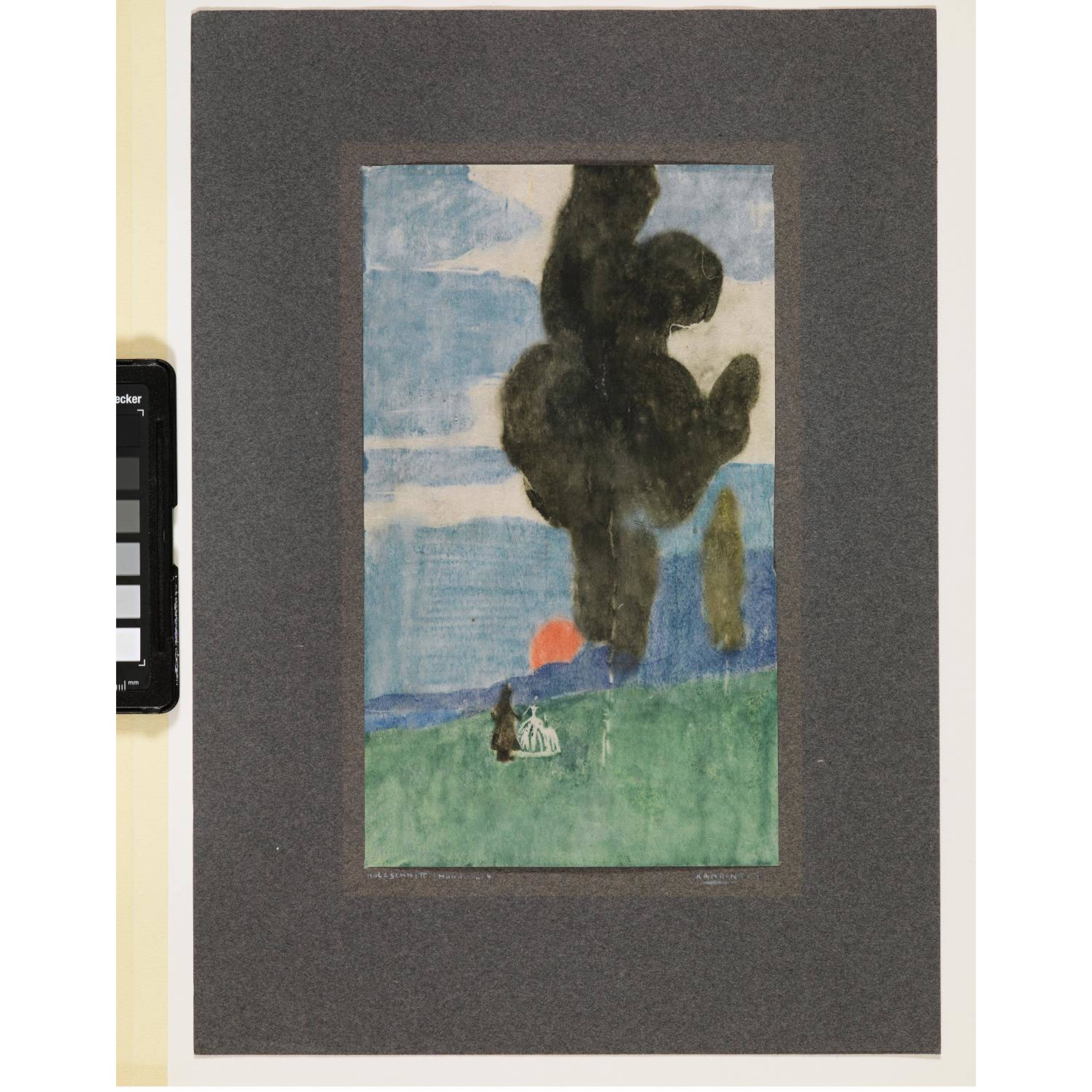
Moskau 1866 - 1944 Neuilly-sur-Seine


1904
Woodcut in colours, with monotype elements
24,8x14,8 cm, sheet size - mounted by the artist on a grey support, support 36,9x26,4 cm
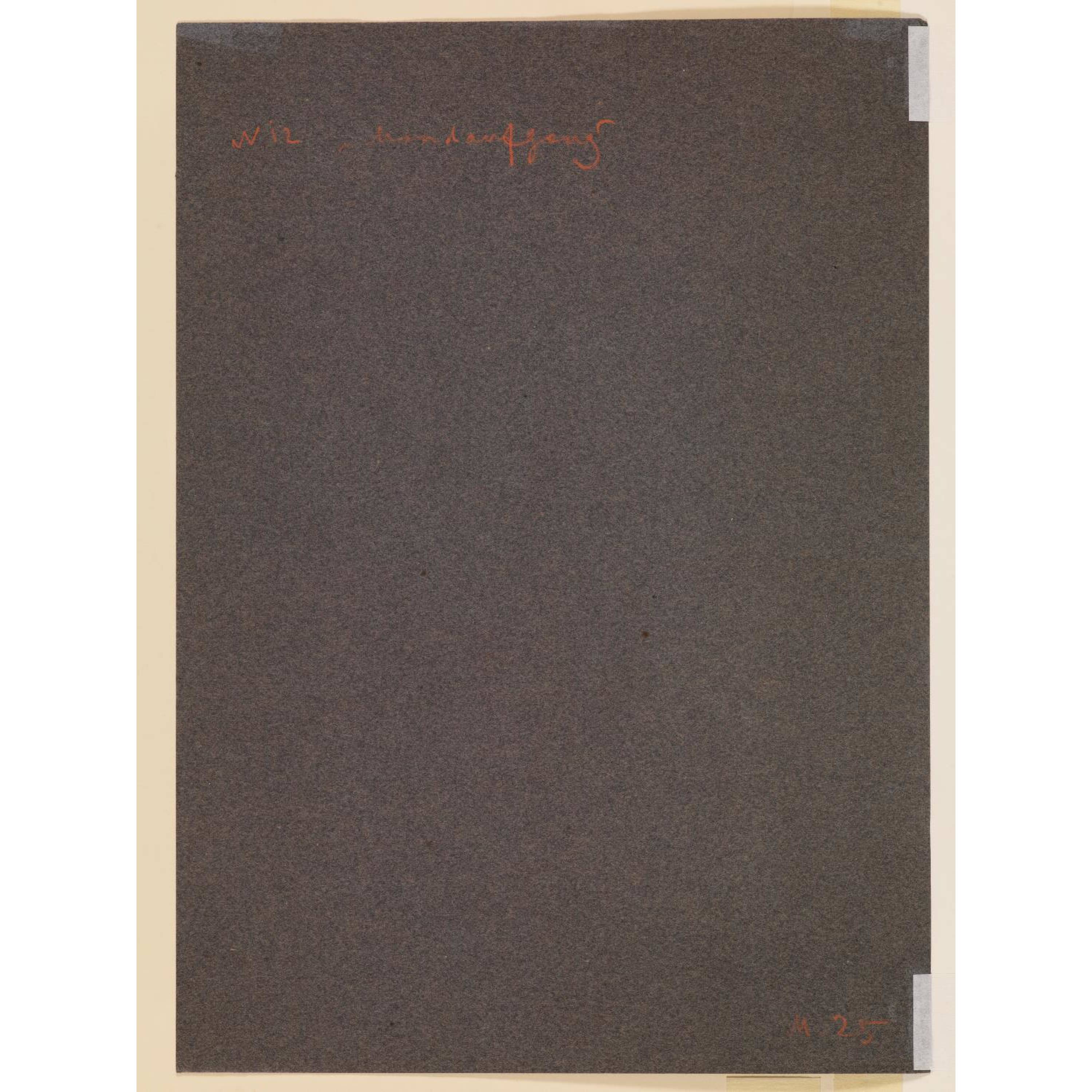
The support beneath the edge of the image inscribed and signed by the artist in pen and white ink "HOLZSCHNITT Mondaufgang KANDINSKY"
Roethel 35, impression not mentioned
In perfect condition, entirely fresh colours. On laid paper, in image size
Only individual proofs printed by hand in varying colours are known of this print. Roethel lists only two copies
This copy in a particularly attractive colour variation
The copy from the estate cited by Roethel figured in the auction on 7 December 2002 at Hauswedell and Nolte in Hamburg as number 768, the second known cop to him is in the Graphische Sammlung der Staatsgalerie Stuttgart
An especiall beautiful cpy in the colours
In 1896 Kandinsky had moved to Munich for good and in 1901 had co-founded the artists' association Phalanx. The first, strongly abstracting woodcut dates from 1902. For the present woodcut only one woodblock was used which was printed in individual copies like monotypes
1904
Farbiger Holzschnitt, monotypieartige Einfärbung
24,8x14,8 cm, Blattgrösse - Vom Künstler auf graue Unterlage aufgelegt, Unterlage 36,9x26,4 cm
Auf der Unterlage unterhalb der Bildkante vom Künstler in Feder in weisser Tinte bezeichnet und signiert "HOLZSCHNITT Mondaufgang KANDINSKY"
Roethel 35, nicht aufgeführter Druck
Tadellos und vollkommen farbfrisch in der Erhaltung, die Bildgrösse auf Bütten, auf graue Unterlage aufgelegt
Von diesem Blatt sind nur einzelne Handdrucke in variierenden Farben bekannt. Roethel konnte nur zwei Exemplare nachweisen
Das von Roethel zitierte Exemplar aus dem Nachlass figurierte in der Auktion vom 7. Dezember 2002 bei Hauswedell & Nolte in Hamburg unter der Nummer 768, das zweite ihm bekannt gewordene Exemplar befindet sich in der Graphischen Sammlung der Staatsgalerie Stuttgart
Farblich besonders reizvolles Exemplar
Kandinsky war 1896 endgültig nach München übergesiedelt und hatte 1901 die Künstlervereinigung Phalanx mitbegründet. Aus dem Jahre 1902 stammt der erste, stark abstrahierende Holzschnitt. Für den vorliegenden Holzschnitt wurde nur eine Holzplatte verwendet, die monotypieartig in einzelnen Exemplaren abgezogen wurde