- FR


 S’inscrire
-
- Ventes Classiques
- Ventes passées
- Plus
- Acheter
- Vendre
- Plus
- Galerie
- Commerce d'art
- Maison d'Édition
- Kornfeld aujourd’hui
- L'histoire de la Maison
- Informations


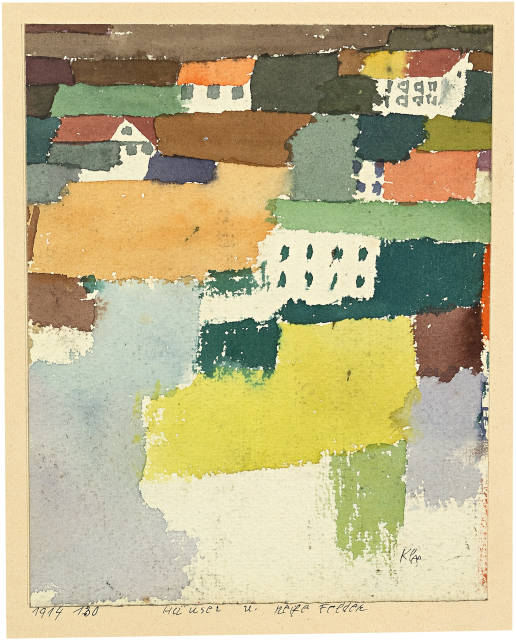







Münchenbuchsee bei Bern 1879 - 1940 Muralto


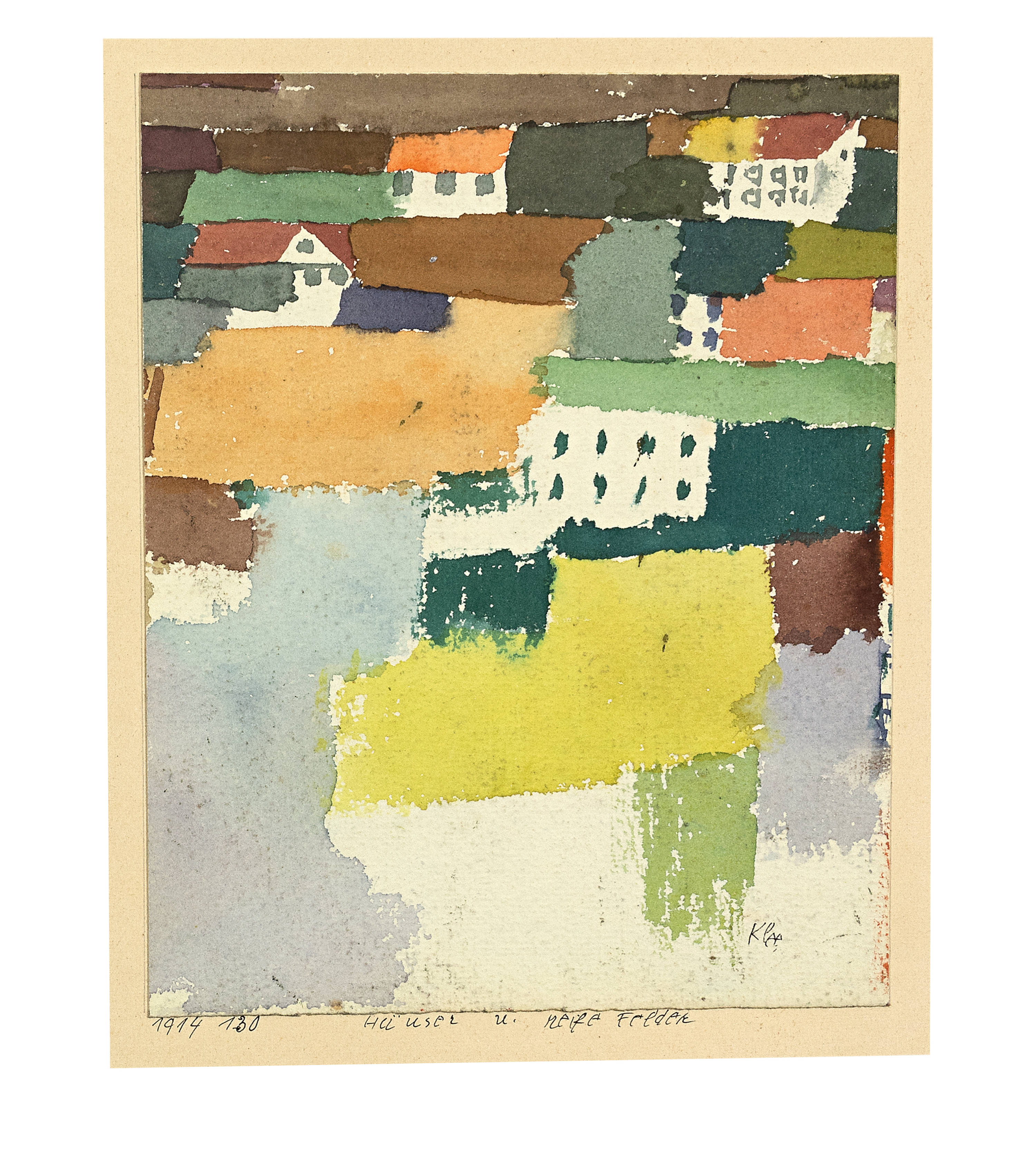
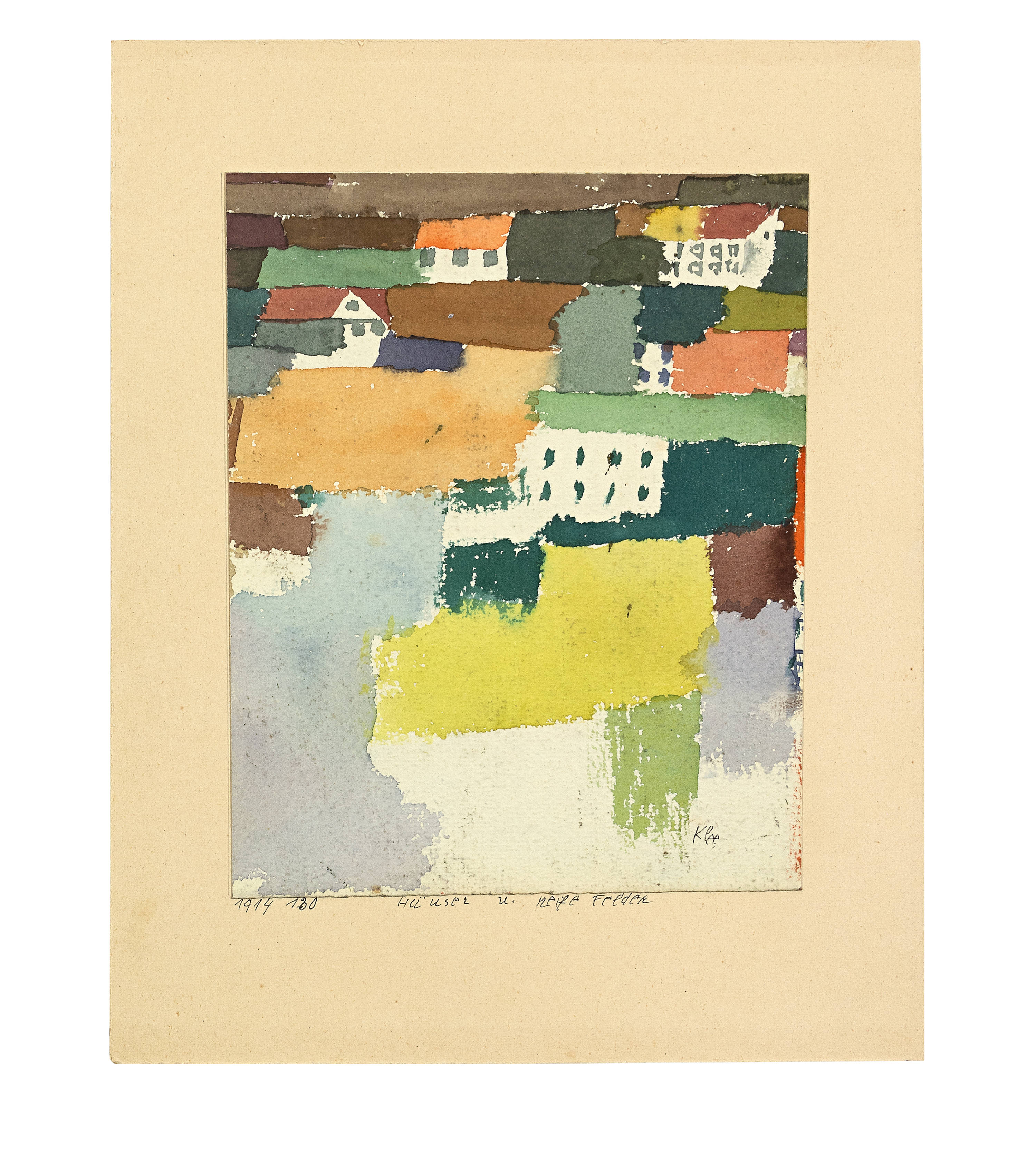
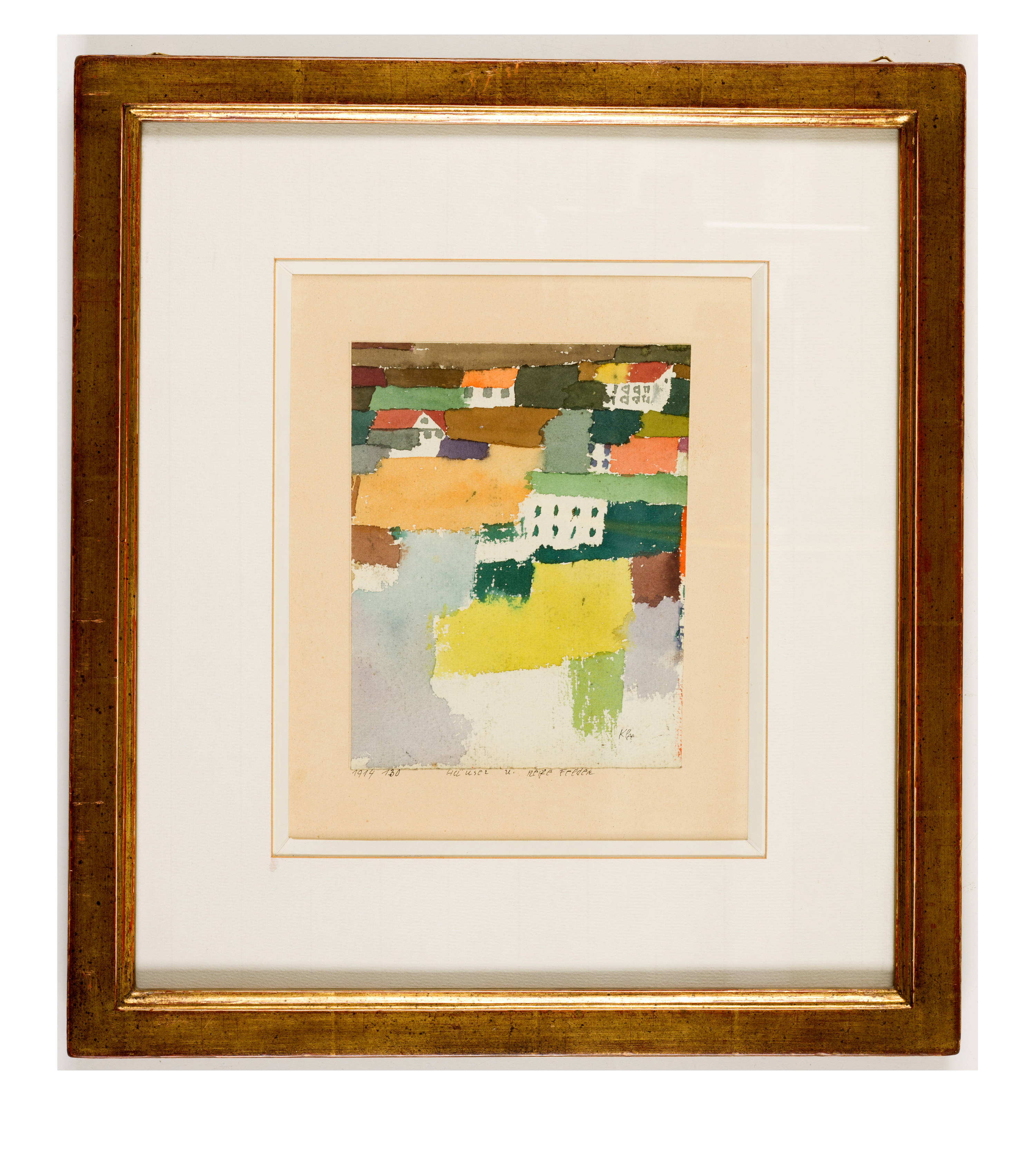
1914. Work number 1914.130
Watercolour on paper, laid down on cardboard
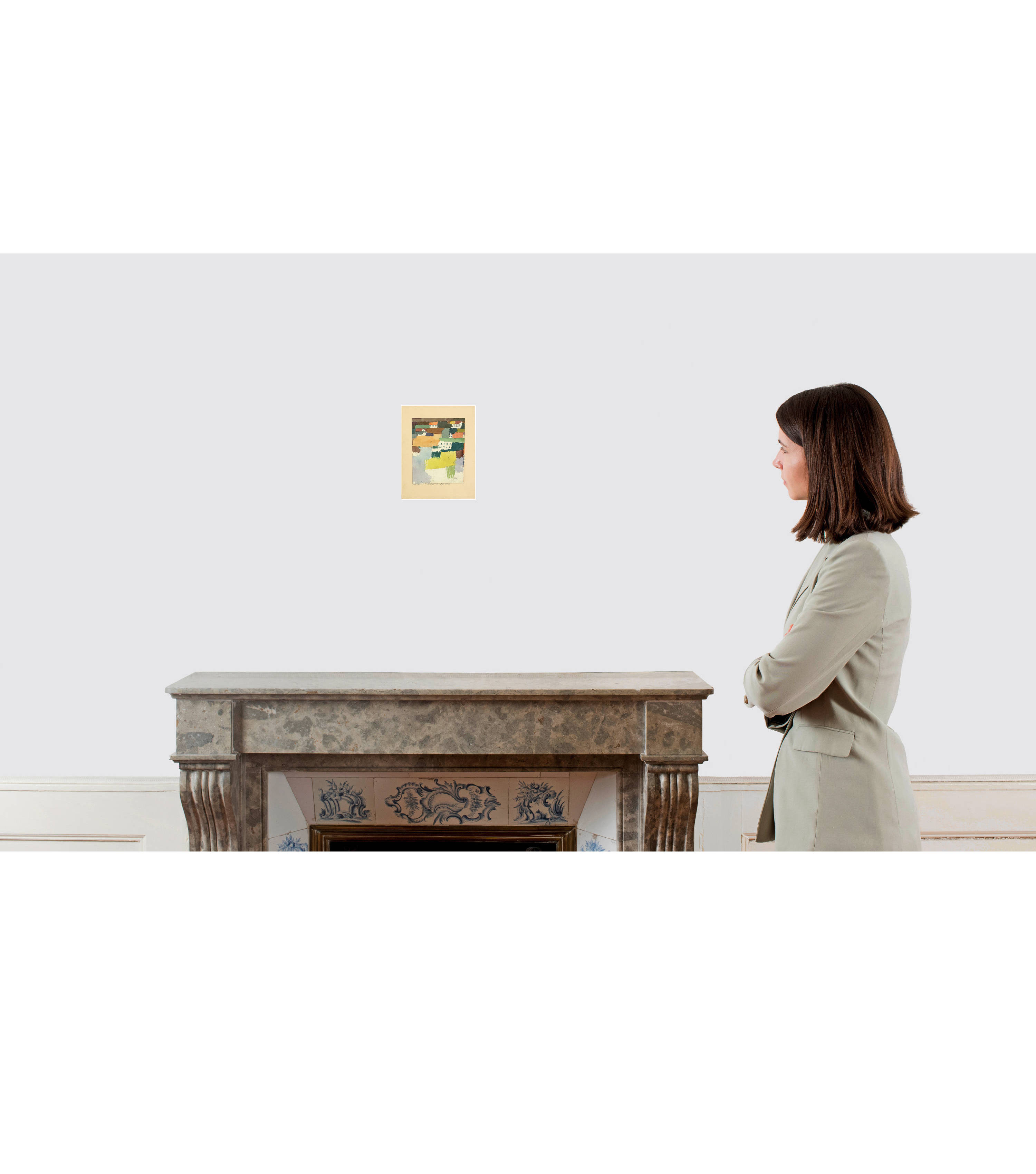
16.6x13 cm, image; 23.5x18.4 cm, support
Lower right in the image signed by the artist in ink 'Klee'. On the support lower left with the work number '1914 130' and in the centre titled 'Häuser u. reife Felder'
Paul Klee Stiftung, Catalogue raisonné, Werke 1913-1918, Bern 2000, vol. 2, cat. no. 1230
Collection Hermann Probst (1915)
Collection William R. Valentiner, Detroit
Galerie Berggruen, Paris
Auction Galerie Kornfeld, Bern, 12 June 1975, lot 473, acquired there by
Private collection Switzerland, by inheritance to
Private collection Switzerland
Otto Karl Werckmeister, Versuche über Paul Klee, Frankfurt am Main 1981, p. 91, note 45
Otto Karl Werckmeister, The Making of Paul Klee's Career 1914-1920, Chicago/London 1989, p. 268, note 68
New York 1940, Buchholz Gallery Curt Valentin and Willard Gallery Marian Willard, Paul Klee, cat. no. 5
Northampton/Chicago/Portland et al. 1941, Smith College Museum of Art/Arts Club of Chicago/The Portland Art Museum, Paul Klee, Memorial Exhibition, cat. no. 81
Small brownish stain at the lower margin. In very good condition
1914 was one of the most fruitful years in Klee's career. The highlight was certainly the trip to North Africa with his artist friends August Macke and Louis Moilliet, which has gone down in art history as the 'Tunisreise'. After some organisational inconsistencies, the undertaking was to be carried out in the spring of 1914. Only a few works were created directly during the journey itself. However, the experience had a decisive effect on them all afterwards, particularly Klee, who was influenced by it until 1923.
It was not only the 'new' colours of the North African landscape that inspired his works. The rectangular fields of colour that would later become characteristic of Klee, for example, are directly related to the architecture of Arab cities. In Tunisia, he developed a new understanding of space. This was accompanied by a dissolution of forms towards a type of abstraction not previously realised in this way. The works created in connection with the Tunis trip are all characterised by their impressive clarity and luminosity, as well as their unique quality within Klee's oeuvre. This also applies to the present sheet, in which Klee plays with the concept of above and below in a striking way.
1914. Werknummer 1914.130
Aquarell auf Papier, auf Karton aufgezogen
16,6x13 cm, Darstellung; 23,5x18,4 cm, Unterlage
Unten rechts vom Künstler in der Darstellung in Tusche signiert "Klee". Auf der Unterlage unten links mit der Werknummer "1914 130" und in der Mitte betitelt "Häuser u. reife Felder"
Paul Klee Stiftung, Catalogue raisonné, Werke 1913-1918, Bern 2000, Bd. 2,
Slg. Hermann Probst (1915)
Slg. William R. Valentiner, Detroit
Galerie Berggruen, Paris
Auktion Galerie Kornfeld, Bern, 12. Juni 1975, Los 473, dort erworben von
Privatsammlung Schweiz, durch Erbschaft an
Privatsammlung Schweiz
Otto Karl Werckmeister, Versuche über Paul Klee, Frankfurt am Main 1981,
Otto Karl Werckmeister, The Making of Paul Klee's Career 1914-1920, Chicago/London 1989,
New York 1940, Buchholz Gallery Curt Valentin und Willard Gallery Marian Willard, Paul Klee,
Northampton/Chicago/Portland u.a. 1941, Smith College Museum of Art/Arts Club of Chicago/The Portland Art Museum, Paul Klee, Memorial Exhibition,
Im unteren Rand kleiner bräunlicher Fleck. In sehr guter Erhaltung
Das Jahr 1914 gehörte zu den fruchtbarsten in Klees Schaffen. Höhepunkt war sicherlich die Reise nach Nordafrika mit den Künstlerfreunden August Macke und Louis Moilliet, die als "Tunisreise" in die Kunstgeschichte eingegangen ist. Nach einigen organisatorischen Ungereimtheiten sollte das Unterfangen im Frühjahr 1914 umgesetzt werden. Nur wenige Arbeiten entstanden direkt auf der Reise, die Eindrücke wirkten jedoch in der Folge, bei Klee sicher bis 1923, entscheidend nach.
Es waren aber nicht nur die "neuen" Farben der nordafrikanischen Landschaft, die zu Werken inspirierten. So stehen etwa die für Klee später so charakteristischen rechteckigen Farbflächen in direktem Zusammenhang mit der arabischen Stadtarchitektur; er hat in Tunesien den Raum neu begriffen. Damit einher ging auch eine Auflösung der Formen in Richtung einer bisher nicht gleich umgesetzten Abstraktion. Die im Zusammenhang mit der Tunisreise entstandenen Arbeiten zeichnen sich allesamt durch beeindruckende Klarheit und Leuchtkraft sowie eine besondere Qualität im Schaffen Klees aus. Dies gilt auch für das vorliegende Blatt, bei dem Klee ein eindrückliches Spiel mit oben und unten zelebriert.
| Suisse | CHF | 130 |
| Europe | CHF | 200 |
| USA | CHF | 250 |
| Outre-mer | CHF | 255 |